
When Commercial HVAC in Sanford Starts Hurting Your Tenant Retention
Aug 9, 2026
When Building Comfort Starts Costing You Tenants
Tenant comfort is not a bonus in a commercial building in Sanford, it is part of what people believe they are paying for. When the AC keeps failing in the middle of a long workday, tenants start to question the value of the space. After one long, hot summer of constant breakdowns and stuffy offices, even loyal tenants can decide it is time to move. More tenants now see commercial HVAC in Sanford as a core piece of the lease, not a hidden system in a back room. It affects how their team works, how their customers feel, and how they view your building. We want to walk through how HVAC problems turn into complaints, what it does to your bottom line, and what you can do to protect tenant retention and long-term building performance.How HVAC Problems Show up as Tenant Complaints
In Central Florida heat, comfort problems do not stay quiet for long. A cooling issue that starts as a “little warm in the afternoon” can quickly turn into daily complaints when humidity and heat build up. By the time August rolls around, small issues feel huge to anyone working under bright lights and busy schedules. Common red flags often sound like this:- “My office is freezing while the conference room is hot.”
- “There is a musty smell in the hallway by the vents.”
- “The unit keeps turning on and off every few minutes.”
- “The store feels sticky even though the thermostat says it is cool.”
- Hot and cold spots in different suites or floors
- High humidity and poor dehumidification
- Noisy units that distract staff and customers
- Frequent cycling that wears out equipment quickly
The Hidden Costs of Poor Commercial HVAC in Sanford
When tenants deal with constant HVAC issues, trust in the building starts to slip. They may feel like their comfort is not a priority. Missed client meetings, frustrated staff, and customers who do not want to linger in the space all send the same message: this building is not working for them. That frustration often turns into direct financial impact for property owners, such as:- Requests for rent credits or concessions at renewal
- Shorter lease terms because tenants are unsure about the space
- Higher turnover and more time spent marketing empty suites
- Pressure to drop asking rent to make up for comfort issues
- Higher energy bills as units struggle to keep up
- More emergency service calls at the worst possible times
- Parts wearing out faster, leading to early replacement of big-ticket equipment
Why Central Florida Buildings Need a Different HVAC Strategy
Sanford and the greater Orlando area face long, heavy cooling seasons. A high heat index, strong sun, and sticky humidity can push commercial systems to their limits. Older units or systems that were not designed for this type of load can struggle, especially in late summer. Cooling the air is only part of the story. Tenants notice the difference between “the air feels cold” and “the space feels good.” True comfort includes:- Humidity control so the air does not feel heavy or sticky
- Fresh air ventilation so spaces do not feel stale or stuffy
- Good indoor air quality that helps people feel more alert and comfortable
Smart Upgrades That Protect Tenant Retention
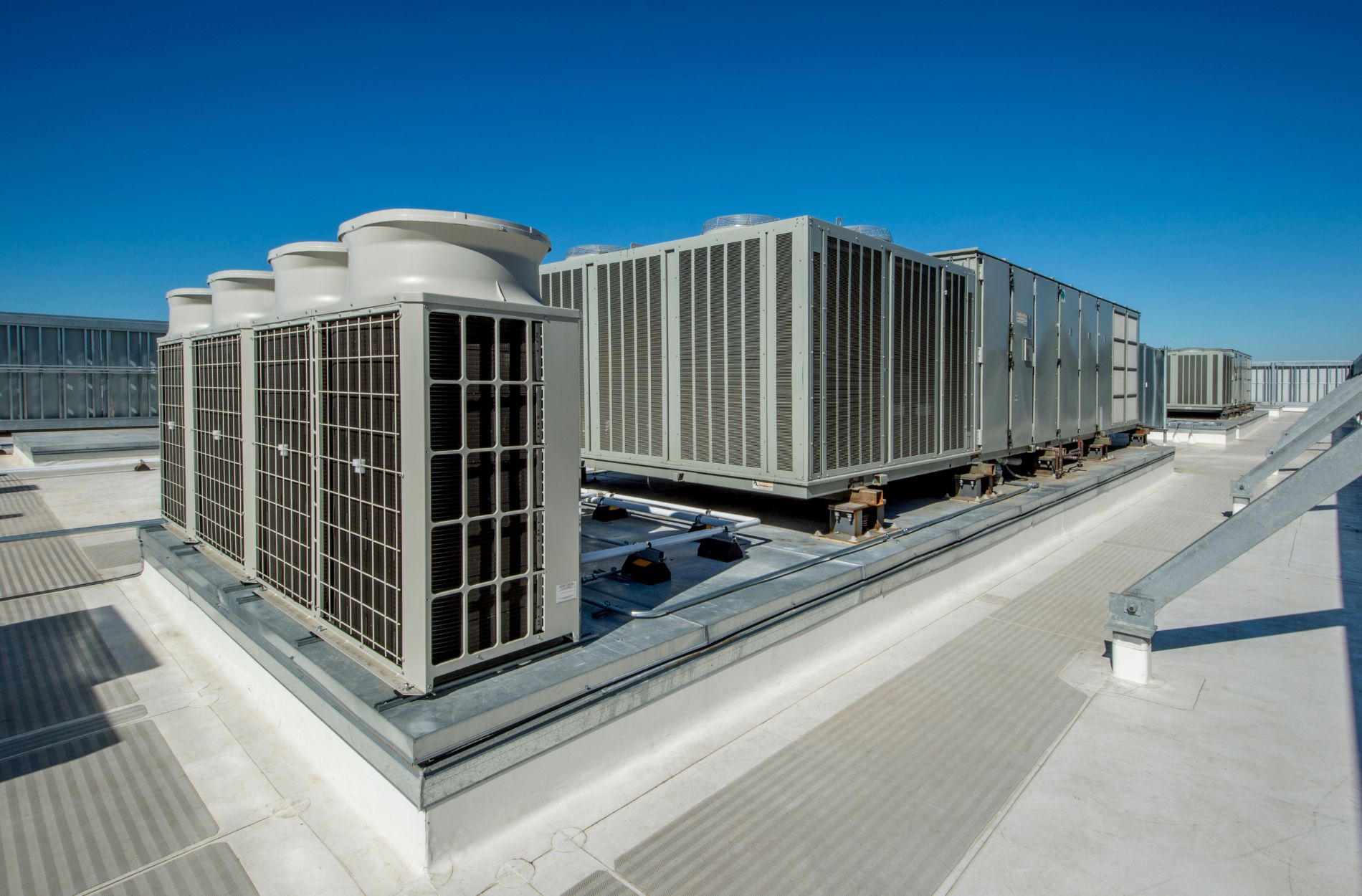
You do not always need a full system replacement to make comfort better and protect tenant retention. A thoughtful plan can blend smart upgrades, targeted retrofits, and timing that works with your lease schedule and capital plans. Impactful improvements can include:- High-efficiency rooftop units that handle heavy cooling demands
- Variable-speed systems that adjust output more smoothly
- Modern thermostats and controls that prevent big temperature swings
- Zoning that gives different tenants their own comfort control
- Ductwork changes that fix weak airflow in problem areas
- Improved filtration for cleaner indoor air
- Better humidity control to reduce that sticky feeling
- Economizers where appropriate to use cooler outdoor air when it helps
- Building automation that monitors performance and alerts you to problems early
Building a Proactive Maintenance Plan Before Next Summer
Waiting until the first big heat wave hits is a recipe for stress. A proactive maintenance plan helps you stay ahead of problems and gives you real information to share with tenants about what you are doing for their comfort. A strong commercial HVAC maintenance plan often includes:- Regular filter changes matched to system use and building type
- Coil cleaning so units can move heat and moisture properly
- Refrigerant checks to catch leaks and performance issues early
- Electrical inspections to reduce the risk of sudden failures
- Performance benchmarking that tracks how equipment is trending over time