Imagine waking up on a January morning in 2024 when Orlando temperatures dipped to a biting 38 degrees, only to find your vents blowing cold air. You realize your furnace not working orlando isn’t just a minor inconvenience; it’s a safety concern for your family. We understand that watching your home temperature drop while worrying about potential gas leaks is incredibly stressful. You shouldn’t have to guess whether your heating system is safe to operate or if you’re dealing with a simple pilot light outage caused by a Florida draft or a worn-out component.
RMI Heating and Air Conditioning has been the trusted name in local heating since 1999, and we’re here to help you regain your comfort and peace of mind. In this guide, you’ll discover exactly why your furnace pilot light went out, how to identify your specific ignition type, and the safe steps to restore heat to your home. We will walk you through a clear checklist to determine if this is a quick DIY fix or if it’s time to call our certified experts for a professional repair.
Key Takeaways
- Understand the specific environmental factors that lead to a furnace not working in Orlando, from unexpected drafts to mechanical wear.
- Learn to distinguish between an older standing pilot light and modern electronic ignition systems to determine your next steps.
- Discover the essential 5-Minute Rule and the safety protocols you must follow before attempting to relight your system.
- Identify the signs of a failing thermocouple or recurring outages that indicate it’s time for a professional diagnostic.
- Find out how RMI’s fully stocked trucks and experienced technicians can restore your home’s warmth in a single visit.
What Does It Mean When Your Furnace Pilot Light Is Out?
A pilot light is a small, constant flame that serves as the ignition source for your heating system. When you find your furnace not working orlando, the pilot light is often the first place to look. What is a pilot light? It is a vital component that sits at the center of your furnace’s operation. Its main job is to provide the spark needed to ignite the large main burners when your thermostat calls for heat. Without this steady flame, the gas released into the burners won’t catch fire, leaving your home chilly. It’s a safety essential. The pilot light works with a device called a thermocouple to ensure gas only flows when a flame is present to burn it safely. If the light goes out, the system is designed to shut off the gas valve entirely to prevent dangerous accumulation in your home. You’ll know it’s failed if you feel cold air from your vents or notice the absence of that familiar “whoosh” sound when the furnace tries to kick on.
The Anatomy of a Gas Ignition System
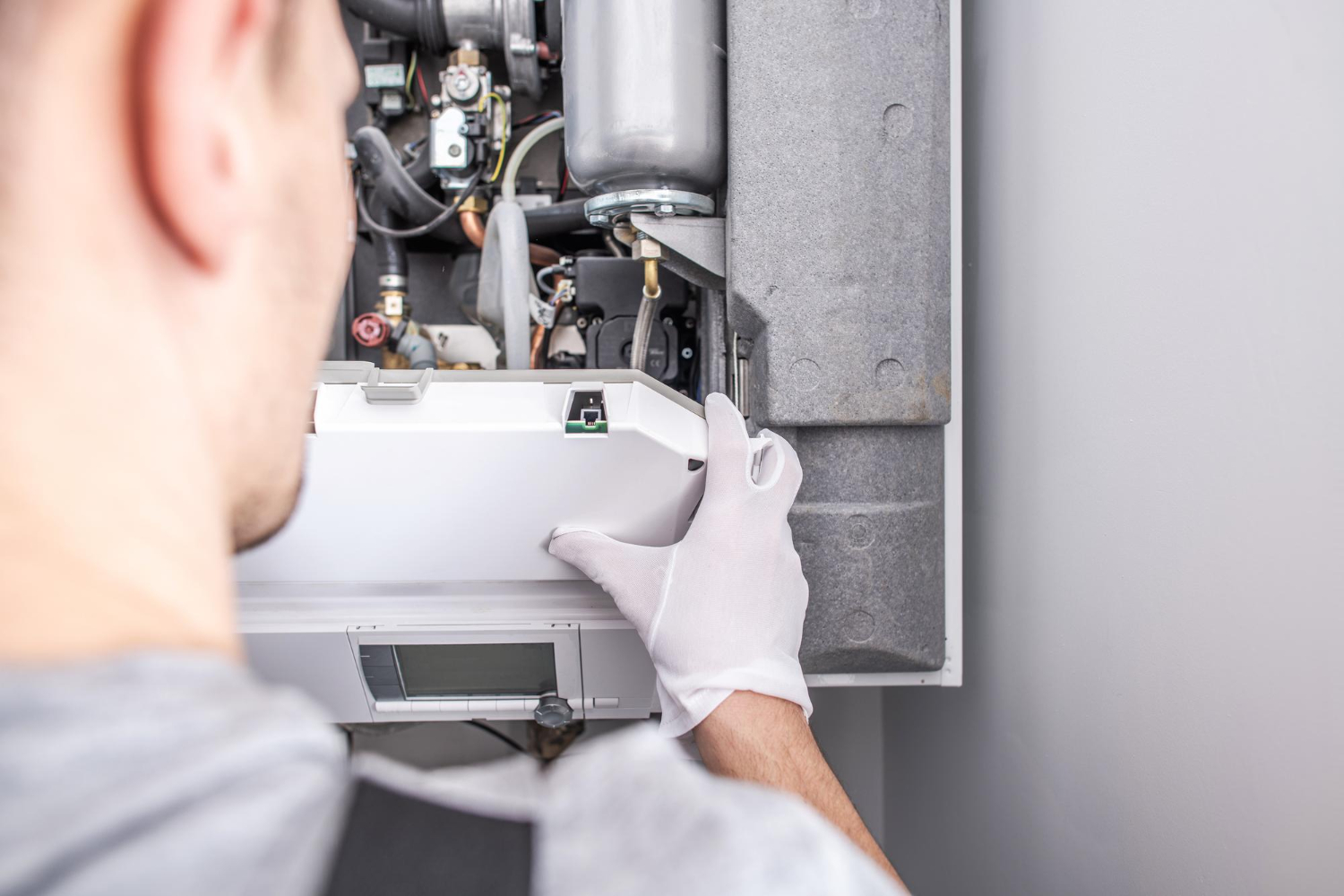
Your furnace relies on a delicate balance between the gas valve and the ignition flame. In older models, a standing pilot stays lit 24 hours a day to be ready at a moment’s notice. Modern systems often use demand-based ignition, such as an intermittent pilot that only sparks when the thermostat signals for heat. Whether your Orlando home uses natural gas or propane, these sensors are essential for daily operation. The gas valve remains tightly closed until the ignition system confirms a flame is ready to receive the fuel. This prevents unburned fuel from leaking into your living space. It’s about precision. Our technicians have seen that many older systems in Central Florida still rely on the standing pilot method, which requires regular cleaning to remain reliable.
Why Prompt Action is Critical
Central Florida residents don’t use heat often; however, when temperatures drop, like during the record lows of December 2022, a functioning furnace is vital. If you find your furnace not working orlando during a cold snap, checking the pilot is the first step toward safety. A weak or flickering pilot light can drastically reduce your system’s efficiency and increase wear on other components. More importantly, a malfunctioning pilot poses a risk of gas leaks if the safety valve fails to close properly. If you’ve noticed recurring issues or a yellow flame instead of a crisp blue one, seeking professional furnace repair is the safest way to protect your family. Addressing these small signs now prevents a complete system breakdown when you need warmth the most.
Common Culprits: Why Gas Furnace Pilot Lights Fail
When your heating system sits dormant for nine months of the year, it’s common to find your furnace not working orlando as soon as the temperature drops. The most frequent reason for a pilot light failure is a malfunctioning thermocouple. This small copper rod acts as a safety sensor. It converts heat from the pilot flame into a tiny electrical signal that tells the gas valve to stay open. If the thermocouple is dirty or bent, it won’t detect the heat. You’ll notice the flame lights when you hold the reset button but dies immediately once you let go. Older systems can sometimes be upgraded with intermittent ignition devices to avoid these constant pilot issues.
Other common culprits include:
- Drafts and Airflow: A sudden gust from a nearby window or a change in attic pressure can easily extinguish a standing pilot flame.
- Dirty Pilot Orifice: Over months of disuse, dust and soot accumulate in the small opening where gas exits. This restriction creates a weak, unstable flame.
- Gas Supply Interruptions: Occasionally, the issue isn’t the furnace at all. A problem with the exterior meter or a closed residential gas line will prevent ignition.
The Thermocouple: Your Safety Guard
The thermocouple’s primary job is to prevent your home from filling with gas. Because it operates in a high-heat environment, the metal eventually degrades over time. In the Florida climate, this part often wears out after 10 years of service. If you suspect this component is the reason for your furnace not working orlando, it is best to have a professional inspect the sensor and the gas valve connection. It is a simple part, but it performs a critical safety function every time your heater kicks on.
Environmental Factors in Central Florida
Orlando’s high humidity levels, which often exceed 70 percent during the summer, contribute to internal corrosion. While your AC is running, moisture can settle on the furnace’s metal pilot assembly. This leads to rust that clogs the orifice. A healthy pilot flame should be crisp and blue. If you see a yellow flame, it is a warning sign of poor oxygen or dirt buildup. In some cases, a flickering flame indicates a cracked heat exchanger. This is a serious safety risk that can lead to carbon monoxide exposure. If you notice these color changes, scheduling a professional furnace repair diagnostic is the only way to ensure your system is safe for the winter season.

Pilot Light vs. Electronic Ignition: Which One Do You Have?
Determining why you have a furnace not working orlando starts with identifying your system’s age and technology. Many homeowners assume every furnace has a traditional pilot light, but heating technology has shifted significantly over the last two decades. If your unit was manufactured before 2010, there is a higher chance it features a standing pilot light. This is a small, visible blue flame that remains lit throughout the winter season. In contrast, modern systems utilize intermittent pilots or hot surface igniters to improve fuel efficiency and safety. Following CPSC furnace safety recommendations is vital regardless of your ignition type, as each system requires specific maintenance to prevent failures.
There are three primary ignition types you might find in a Central Florida home:
- Standing Pilot: Found in older furnaces, this features a constant flame. It’s the least efficient because it burns gas 24/7.
- Intermittent Pilot: This system uses an electronic spark to light the pilot only when the thermostat calls for heat. You will hear a distinct clicking sound when it starts.
- Hot Surface Igniter (HSI): The most common modern method. It uses a silicon carbide or silicon nitride element that glows bright orange to ignite the gas, similar to a light bulb filament.
How to Identify Your Ignition Type
You can usually identify your system by looking at the gas valve inside the furnace cabinet. If the valve has a knob with “On,” “Off,” and “Pilot” settings, you have a standing pilot. If you don’t see a knob but hear a rapid “click-click-click” when the heat turns on, you have an electronic spark. You must never attempt to relight an electronic system with a match or lighter. These systems are automated and trying to manual light them can cause a dangerous flash fire. If the system fails to ignite after three attempts, it will typically enter a “lockout” mode for safety.
Common Issues with Electronic Igniters
Electronic igniters are highly reliable but very fragile. Hot surface igniters can crack due to the high heat and constant vibration of the furnace blower. Even the oils from a person’s skin can cause an HSI to fail prematurely. Another common culprit is a dirty flame sensor. This thin metal rod detects the flame to ensure gas isn’t flowing into an empty chamber. If it’s covered in carbon or dust, the furnace will shut down just seconds after lighting. Because these components are delicate and require precise voltage testing, our team provides expert furnace repair to ensure your modern ignition system is handled with the proper care and tools.
How to Safely Relight a Furnace Pilot Light: A Step-by-Step Guide
Safety is the primary concern when you discover your furnace not working orlando during a cold snap. Before you reach for a lighter, you must perform a thorough smell test. Because gas is heavier than air, it often pools near the floor or at the base of the appliance. If you detect a rotten egg odor, do not attempt to relight the pilot. Instead, evacuate everyone from the home and call for emergency service immediately. If no odor is present, you must still follow the 5-minute rule. This mandatory waiting period allows any trace amounts of gas to clear from the combustion chamber, preventing a dangerous flash when you introduce a flame. You will need a flashlight and a long-reach grill lighter to keep your hands a safe distance from the burner.
Relighting Instructions for Standing Pilots
RMI Heating and Air Conditioning has been a trusted service provider since 1999, and we recommend this methodical approach for older standing pilot systems. First, turn your thermostat to its lowest setting. Locate the gas valve and turn the knob to the OFF position. Wait a full 10 minutes to be absolutely certain the area is clear of gas. If you smell even a faint odor during this time, stop and call our 24/7 emergency line. After 10 minutes, turn the knob to PILOT. Press and hold the knob down while placing your long-reach lighter near the pilot burner. Once the flame ignites, continue holding the knob for exactly 60 seconds. This time allows the thermocouple to heat up enough to send the electrical signal that keeps the gas valve open. Finally, release the knob and turn it to the ON position.
What to Do If It Won’t Stay Lit
If the flame goes out the moment you release the knob, you likely have a failed thermocouple or a dirty pilot orifice. A stubborn pilot might take two attempts, but you should never try more than three times. It’s dangerous to ever tape or wedge the gas valve button down to force the system to stay on. This bypasses the safety sensor and can lead to a gas explosion. If your initial attempts fail, it’s time to stop. Recurring outages are a signal of a deeper mechanical issue. For professional assistance and a guaranteed fix, you should schedule a furnace repair with a certified technician who has the right diagnostic tools to solve the problem safely.
Don’t risk your family’s safety with a malfunctioning gas system. If your pilot won’t stay lit, request a professional inspection from RMI Heating and Air Conditioning today.
When to Call a Professional: Restoring Safety and Comfort in Orlando with RMI Heating and Air Conditioning
Relighting a pilot might seem like a permanent fix, but a flame that won’t stay lit is often a symptom of a deeper system failure. If you experience a furnace not working orlando even after careful relighting attempts, it’s critical to stop and call for professional assistance. Forcing a system to run when a safety sensor is failing can lead to gas accumulation or electrical shorts. RMI Heating and Air Conditioning prioritizes your family’s safety above all else. Our certified technicians arrive in fully stocked trucks, carrying the specific sensors, valves, and igniters needed to fix the problem immediately. We aim to restore your comfort in one visit, respecting your time and your home. Beyond the mechanical repair, we conduct professional carbon monoxide testing. This step is essential after any ignition failure to confirm that your system is venting exhaust gases safely away from your living spaces.
The Value of Professional Heating Maintenance
The best way to handle a heating emergency is to prevent it from ever happening. Florida’s long, humid off-seasons are tough on furnace components that sit idle for months. Our comprehensive maintenance service includes cleaning the pilot orifice and testing the thermocouple to ensure winter reliability. We also perform a detailed inspection of the heat exchanger. Even a microscopic crack in this component can leak carbon monoxide into your ductwork. By calibrating the gas valve for optimal fuel efficiency, we help you lower your energy consumption while maintaining a warm home. You can review our HVAC maintenance plans to keep your system in peak condition year-round.
RMI Heating and Air Conditioning: Trusted Heating Experts Since 1999
Since 1999, RMI Heating and Air Conditioning has built a reputation for being the most reliable HVAC service provider in the region. We understand that a furnace not working orlando is an urgent matter, which is why we offer 24/7 emergency availability. You can count on us to arrive quickly and provide a transparent, professional diagnosis. Our technicians are highly trained in gas line safety, ensuring every connection is secure and every sensor is functioning perfectly. We believe in getting the job done right the first time so you can sleep soundly in a warm, safe home. RMI Heating and Air Conditioning delivers cooling and heating you can count on.
Restore Your Home’s Warmth and Safety
Understanding whether you have a traditional standing pilot or a modern electronic ignition is the first step in solving your heating troubles. While a simple draft can occasionally blow out a flame, recurring issues often point to a worn thermocouple or a dirty sensor that needs professional cleaning. If you’re currently dealing with a furnace not working orlando, remember that safety must always come first. Never ignore the smell of gas or attempt to bypass critical safety valves, as these components are designed to protect your family from leaks.
RMI has served as the trusted HVAC authority in Central Florida since 1999. Our team of certified experts arrives in fully stocked service vehicles, allowing us to complete most repairs during a single visit. We provide 24/7 emergency availability because we know that heating crises don’t always happen during business hours. We’re committed to providing heating and cooling you can count on, regardless of the weather outside.
Furnace not working? Call RMI 24/7 for expert heating repair in Orlando!
You don’t have to wait in the cold. Let our experienced technicians bring the heat back to your home today.
Frequently Asked Questions
Is it dangerous if my furnace pilot light goes out?
It isn’t immediately dangerous because modern furnaces use a safety valve that shuts off the gas flow when the flame disappears. However, if your system was installed before 1995, the safety mechanisms may be less reliable. You should still treat an outage with caution. If the safety valve fails, unburned gas can accumulate in your home, creating a significant fire hazard or risk of carbon monoxide poisoning.
How much does it cost to fix a furnace pilot light in Orlando?
Repair costs vary based on whether you need a simple cleaning or a full component replacement. A basic thermocouple replacement is a common fix, while a failed electronic ignition board or a faulty gas valve will require a larger investment. We provide a professional diagnostic and a clear, written estimate before any work begins to ensure you understand the necessary steps for your specific system.
Can I leave my furnace on if the pilot light is out?
You should turn your furnace off at the thermostat immediately. If you leave the system in heating mode, the thermostat will continue to call for heat that never arrives. This causes the blower motor to run continuously, which wastes electricity and puts unnecessary strain on the mechanical components. Switching the system to “off” prevents further wear while you wait for a technician to arrive at your home.
Why does my pilot light keep going out every few days?
Recurring outages usually signal a dirty pilot orifice or a thermocouple that is nearing the end of its 10 year lifespan. Small drafts in your attic or mechanical closet can also extinguish a weak flame. If you find your furnace not working orlando every few days, it’s a sign that the pilot assembly needs a professional cleaning to remove the soot and carbon buildup that restricts gas flow.
How do I know if my thermocouple is bad?
The most obvious sign of a bad thermocouple is a pilot flame that won’t stay lit after you release the reset button. If you follow the lighting instructions and hold the knob for the full 60 seconds, but the flame dies the moment you let go, the sensor is likely faulty. You might also see visible soot or heavy oxidation on the tip of the copper rod during a visual inspection.
Can a dirty air filter cause a pilot light to go out?
Yes, a dirty filter is a frequent cause of a furnace not working orlando. When the filter is clogged, it restricts the airflow necessary to cool the heat exchanger. This causes the furnace to overheat and trip the high-limit safety switch. Once this switch is triggered, the system automatically shuts down the gas supply, which extinguishes the pilot flame to protect the unit from heat damage.
What should I do if I smell gas near my furnace?
Evacuate your home immediately if you detect a strong rotten egg odor. Do not light matches, flip light switches, or use your phone inside the house, as a single spark could ignite the gas. Once you are safely outside and at least 50 feet away from the property, call your local gas company and RMI’s emergency line. We are available 24/7 to handle these urgent safety situations.
Does a furnace pilot light use a lot of gas?
A standing pilot light uses a small but steady amount of fuel to stay lit. According to data from Natural Resources Canada, a standing pilot can consume between 5 and 12 gigajoules of energy per year. While this is a relatively small portion of your overall energy use, modern electronic ignition systems are much more efficient because they only use gas when the furnace is actively heating your home.