
Common HVAC Retrofit Pitfalls Sanford Property Managers Overlook
Aug 9, 2026
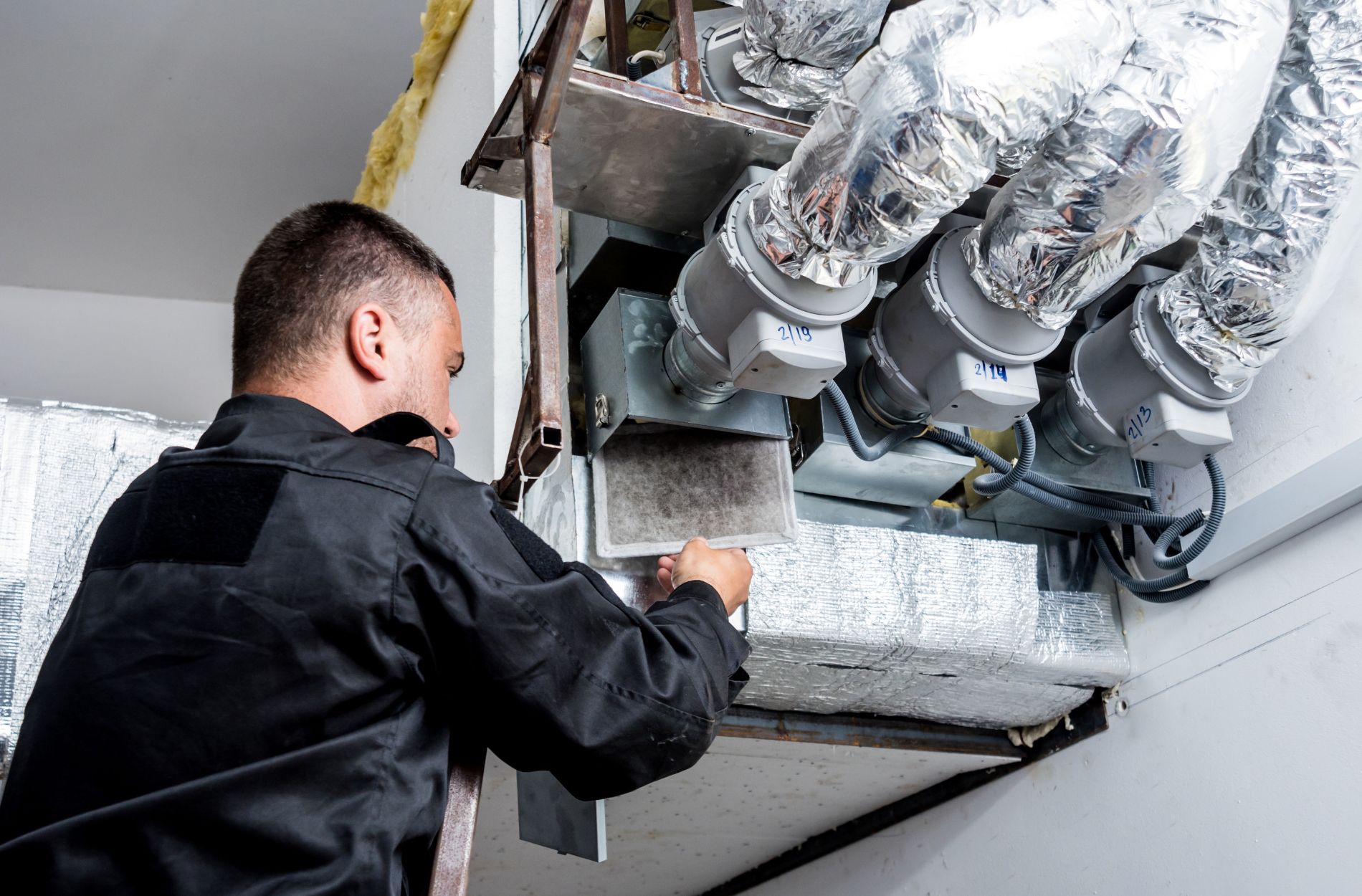
Avoid Costly Surprises Before Your Next Retrofit
HVAC retrofits are a big part of keeping Sanford properties running smoothly. When systems age or tenants complain about comfort, a retrofit often feels like the best way to extend system life, improve comfort, and keep utility costs under control, especially as the fall tourist season approaches and buildings stay busy. The problem is that even experienced property managers can miss small details that turn into big headaches. Missed load changes, weak humidity control, or skipped commissioning can lead to surprise repairs, upset tenants, and equipment that wears out long before it should. Here are common pitfalls we see with an HVAC retrofit in Sanford and how to avoid them. We work in the Greater Orlando and Central Florida area every day, so we see how local weather, building use, and tenant demands all come together. When you plan your next retrofit with Sanford’s conditions in mind, you get more reliable systems and fewer late night calls.Overlooking Load Calculations and Building Changes
One of the most common mistakes is treating a retrofit like a simple swap. Old unit out, new unit in, same size, same layout. On paper, it looks easy. In real life, the building has usually changed. Over time, many buildings see:- New tenant build-outs or layouts
- Added plug loads like computers, kitchen gear, or servers
- New windows or door upgrades
- Different occupancy patterns and operating hours
- Hot and cold spots in corners or interior rooms
- Short cycling and more wear on equipment
- High indoor humidity, even when the thermostat says the right temperature
- Energy bills that do not drop the way you expected
Ignoring Sanford’s Heat, Humidity, and Salt Air
Central Florida is not a mild, dry climate. In Sanford, we see a long cooling season, heavy humidity, frequent storms, and nearby coastal influence. That mix is tough on HVAC and refrigeration equipment. If your retrofit plan only looks at temperature and ignores moisture, you can end up with:- Units that cool the air but do not pull enough moisture out
- Sticky indoor conditions, even at a low thermostat setting
- Extra strain when outdoor air ventilation is not balanced with dehumidification
- Equipment and controls that can handle latent load, not just sensible load
- Thoughtful use of coated coils and corrosion-resistant materials where needed
- Control strategies tuned to local weather patterns, especially late summer afternoons and humid evenings
Underestimating Controls, Zoning, and Tenant Comfort
Many retrofit projects focus on the big equipment and leave controls and zoning as an afterthought. But comfort complaints often come from how the building is controlled, not just from the air handler or condenser outside. Common issues we see include:- One old thermostat shared by several suites with very different needs
- Mixed-use buildings where office, retail, and storage areas all sit on the same zone
- Systems that run full blast when spaces are empty because there is no smart scheduling
- Smart or networked thermostats for better scheduling and visibility
- Zoning that matches how the building is actually used today
- CO2-based ventilation controls in busy spaces to match fresh air to occupancy
- Remote monitoring tools to catch issues early and cut down on emergency calls
Skipping System Commissioning and Documentation
Once the new equipment is installed, the temptation is to turn it on, make sure it blows cold air, and move people back in. Skipping proper commissioning is one of the costliest retrofit pitfalls. A complete commissioning process usually checks:- Airflow and static pressure across equipment and ducts
- Balancing of zones so each area gets what it needs
- Calibration of thermostats and sensors
- Sequence of operation under real-world conditions, including morning start-up and afternoon peak loads
- Updated operation and maintenance manuals
- Clear asset lists with model and serial numbers
- Standard setpoints and schedules for different spaces
- Filter change and coil cleaning schedules everyone can follow
Overlooking Long-Term Maintenance and Budget Planning
Some property managers treat a retrofit like the finish line. The work is done, the system is new, and it will take care of itself. In our climate, that mindset often leads to early breakdowns and warranty frustration. Regular care after an HVAC retrofit in Sanford helps protect your investment. That usually includes:- Preventive maintenance plans tied to manufacturer guidelines
- Filter changes that match local dust, pollen, and occupancy levels
- Coil cleaning to keep capacity and efficiency from dropping
- Seasonal checkups before late summer and fall cooling loads peak
- Multi-year maintenance agreements so service does not get skipped
- Lifecycle cost planning that looks at energy use, repairs, and expected life
- Tracking energy bills and repair history to see if the retrofit is meeting your goals