
7 Essential Air Conditioner Maintenance Tips for Central Florida Homeowners (2026)
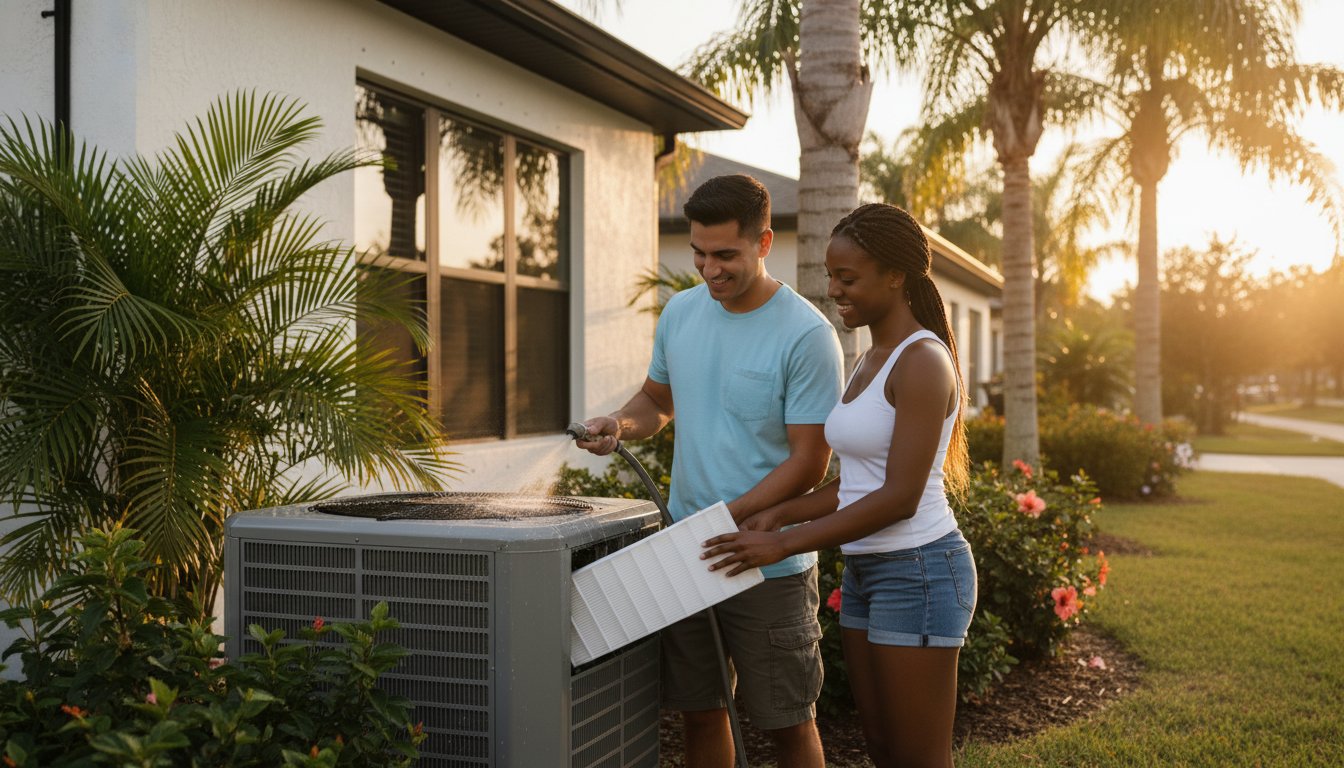
Would you knowingly hand over thousands of dollars for a premature AC replacement just because of a dusty coil or a clogged drain? In the relentless humidity of Central Florida, mastering air conditioner maintenance tips for homeowners is not just a weekend chore; it is a strategic investment in your home’s survival. We understand the anxiety that comes with a skyrocketing electricity bill or the sudden silence of a failing unit during a 95-degree afternoon. You deserve a home that stays cool without the constant fear of an expensive mechanical breakdown.
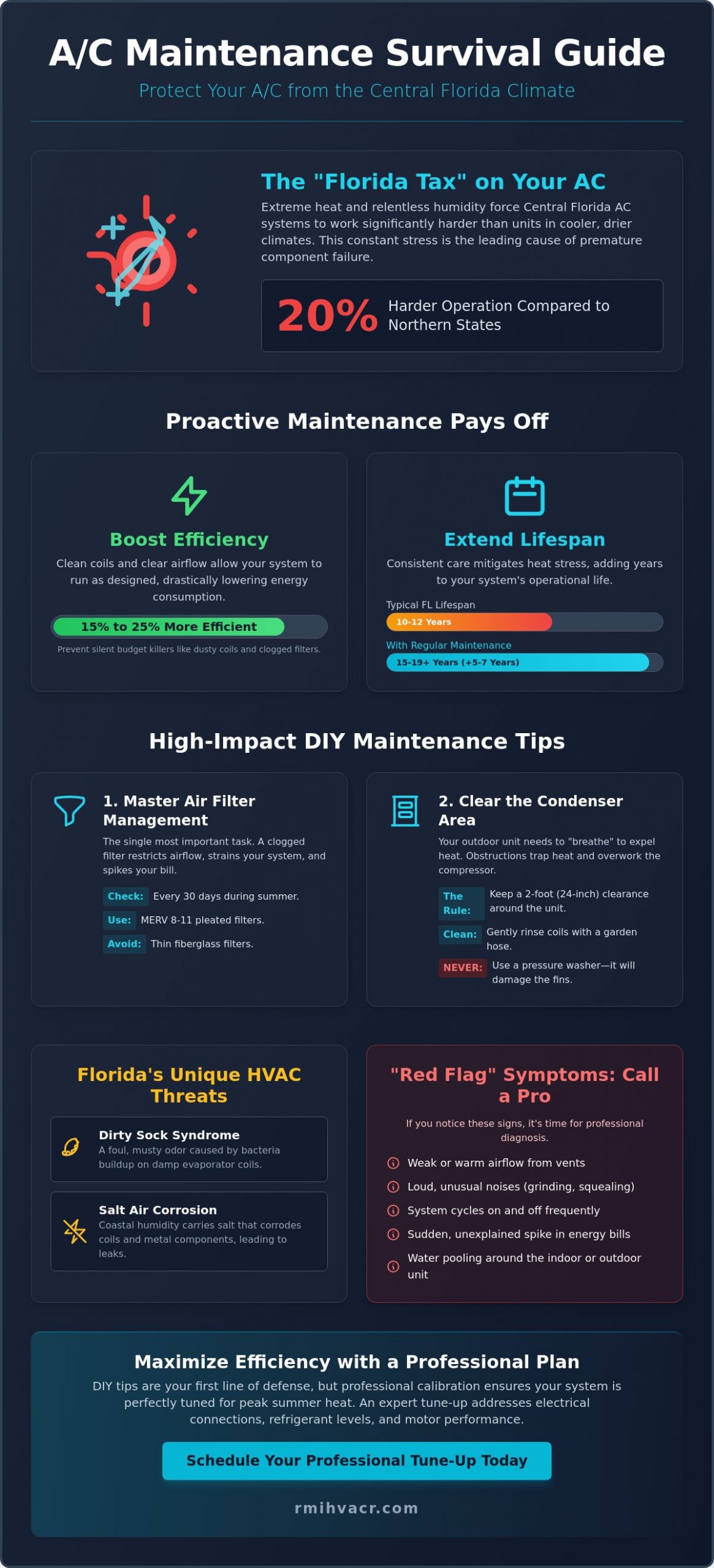
The good news is that proactive care makes a massive difference. Professional research shows that regular maintenance can help your system run 15% to 25% more efficiently and potentially extend its lifespan by up to seven years. This guide provides the professional clarity you need to navigate everything from the new 2026 refrigerant regulations to simple cleaning habits that protect your investment. We will break down seven essential strategies to lower your monthly costs, improve your indoor air quality, and keep your cooling system dependable through the hottest Florida summers.
Key Takeaways
- Discover why Central Florida’s extreme humidity creates a “Florida Tax” that forces your system to work significantly harder than units in other regions.
- Implement high-impact air conditioner maintenance tips for homeowners that protect your unit without requiring specialized tools or technical expertise.
- Learn to identify local threats like “Dirty Sock Syndrome” and salt air corrosion before they lead to permanent coil pitting and damage.
- Recognize the specific “Red Flag” symptoms that signal a transition from routine maintenance to a necessary professional repair.
- Streamline your home care with a professional maintenance plan that ensures your system remains calibrated for maximum efficiency during peak summer heat.
Why Regular AC Maintenance is Critical in Central Florida
Homeowners in Orlando and surrounding areas often view AC care as an optional task. In reality, effective maintenance is a precise blend of routine DIY cleaning and expert professional calibration. Because of our climate, we face what many professionals call the “Florida Tax.” The extreme heat and humidity force local systems to work approximately 20% harder than units in northern states. This constant operation puts immense pressure on Heating, ventilation, and air conditioning (HVAC) systems, making regular attention vital for reliability. Mastering air conditioner maintenance tips for homeowners is the most effective way to protect your comfort before the next heatwave arrives.
Neglecting these systems doesn’t just lead to higher bills; it often results in a premature air conditioning replacement years before the unit should have failed. Beyond the mechanical benefits, maintenance is your primary defense against poor indoor air quality. Dust, mold spores, and local allergens thrive in humid ducts and on damp coils. A well-maintained system filters these particles out effectively, ensuring your home remains a healthy sanctuary rather than a source of respiratory stress for your family.
Extending System Lifespan in Extreme Heat
Heat stress is the leading cause of component failure in Central Florida. High temperatures cause internal parts like capacitors and fan motors to degrade rapidly as they struggle to dissipate heat. While a system in a milder climate might last 15 years or more, the average lifespan of a Florida AC unit is typically only 10 to 12 years. By following proven air conditioner maintenance tips for homeowners, you can push back against this environmental wear. Verified industry data shows that consistent professional care can add five to seven years to your system’s life, giving you significantly more value for your initial investment.
Reducing Monthly Energy Consumption
Efficiency is the first casualty of neglect. When your evaporator coil is covered in a fine layer of dust, it acts as insulation. This forces your compressor to run significantly longer cycles to pull heat out of the air, which completely bypasses the benefits of your system’s SEER2 efficiency rating. Restricted airflow is a silent budget killer that many families overlook until a massive bill arrives. Consider the return on investment: a $20 high-quality air filter is a small price to pay to avoid a $200 monthly utility spike caused by a struggling motor. Maintaining peak airflow ensures your system operates at its designed efficiency, keeping your home cool and your bank account stable.
4 DIY Air Conditioner Maintenance Tips You Can Do Today
Establishing a consistent homeowner maintenance schedule for the 2026 cooling season is the best way to ensure reliability. Before you begin any inspection, safety is the absolute priority. Always turn off the power at both the thermostat and the outdoor breaker box. These high-impact air conditioner maintenance tips for homeowners focus on low-risk tasks that require no specialized tools but offer significant protection for your system. Keeping a simple log of these actions provides valuable data for our technicians during a professional HVAC tune-up.
Mastering Air Filter Management
Filter efficiency is measured by the MERV (Minimum Efficiency Reporting Value) rating system. For most residential homes in Orlando, a filter rated between MERV 8 and MERV 11 offers the ideal balance between air filtration and unrestricted airflow. While some manufacturers suggest changing filters every 90 days, Florida’s heavy cooling demand makes that timeline risky. You should check your filter every 30 days during the peak summer months. Pleated filters are generally superior to thin fiberglass versions because they have more surface area to trap dust without suffocating the blower motor.
Clearing the Outdoor Condenser Area
Your outdoor unit needs space to breathe to reject heat effectively. Follow the “Two-Foot Rule” by keeping plants, mulch, and lawn debris at least 24 inches away from the cabinet at all times. Use a garden hose to gently rinse the condenser coils, removing salt spray and dirt that accumulate over time. Never use a pressure washer; the high-pressure stream will flatten the delicate aluminum fins and restrict airflow. Straight, clean fins are vital for heat transfer. Following established U.S. Department of Energy maintenance tips ensures you don’t accidentally damage these sensitive components while cleaning.
Monitoring the Condensate Drain Line
Algae and mold thrive in the damp environment of a Central Florida drain line. A simple “Vinegar Flush” using one cup of distilled white vinegar every month can prevent the sludge build-up that leads to indoor flooding. Locate your float switch near the indoor air handler; this safety device is designed to shut your system down if water backs up. If you notice water in your emergency drain pan or find your system won’t turn on, a clogged line is a likely culprit. Routine monitoring of this small pipe can save you from a massive water damage headache. If you feel unsure about any of these steps, our team can show you the proper technique during a routine maintenance visit.
Navigating Florida’s Unique HVAC Maintenance Challenges
Living in Central Florida presents environmental hurdles that homeowners in other regions simply do not face. One of the most common complaints we address is a musty, locker-room odor known as “Dirty Sock Syndrome.” This unpleasant smell occurs when mold and bacteria accumulate on the damp evaporator coil during periods of high humidity. While some online advice suggests using bleach to clear drain lines, we strongly advise against it. Bleach is highly corrosive to metal components and can degrade PVC pipes over time. Instead, utilize safer alternatives like distilled white vinegar to keep your system clean and odor-free.
Salt air is another silent threat, even for those living in inland areas like Orlando. Winds carry microscopic salt particles that settle on your outdoor condenser coils, leading to pitting and rapid corrosion. This chemical reaction weakens the aluminum fins and can eventually cause expensive refrigerant leaks. Effective air conditioner maintenance tips for homeowners include regular, gentle rinsing of these coils to remove salt deposits before they cause permanent damage. Understanding the specific challenges of HVAC systems in humid climates helps you prioritize the right tasks to keep your home comfortable and your system efficient.
Managing Humidity and Mold Growth
Your AC system serves as your home’s primary dehumidifier. When a system is neglected, it often begins “short-cycling,” which means it turns on and off too frequently. This prevents the unit from running long enough to remove moisture from the air, leaving your indoor environment feeling clammy. This excess moisture invites biological growth on the evaporator coil and inside your ductwork. Integrating UV lights or advanced air scrubbers into your maintenance routine provides a proactive layer of protection. These professional-grade solutions neutralize mold spores and bacteria before they can impact your indoor air quality.
Combating Pests and Local Wildlife
Florida wildlife can be surprisingly disruptive to HVAC reliability. Tiny sugar ants and lizards are frequently attracted to the warmth and electromagnetic fields of electrical contactors. When these pests crawl into the components, they can cause the system to short out, leading to an unexpected loss of cooling. During your routine inspections, check the outdoor cabinet for nesting materials or chewed wiring. Keeping the area around your unit clear and ensuring electrical covers are secure will prevent most pest-related failures. If you discover damaged wiring or evidence of a significant infestation, it is time to schedule a professional HVAC tune-up to ensure the system remains safe and operational.
While addressing immediate mechanical issues is a priority, long-term prevention is equally vital for a pest-free home; Mosquito Assassin Pest Control LLC offers specialized rodent exclusion services to ensure wildlife cannot return to damage your HVAC system or property.
Knowing When to Call the Professionals at RMI
While basic air conditioner maintenance tips for homeowners can prevent many common issues, certain tasks require the precision and safety of an expert technician. There is a hard line between routine cleaning and complex mechanical work. At RMI, we have been serving Central Florida homeowners since 1999, providing the technical expertise needed to handle high-voltage components and pressurized systems safely. If you notice grinding noises, electrical odors, or if your system is blowing warm air despite a clean filter, you should stop DIY efforts immediately. These are red flags that require an emergency AC repair to prevent total system failure. Attempting to handle refrigerant yourself is particularly risky. It violates EPA regulations and can cause permanent compressor damage if levels are even slightly off.
The Professional Maintenance Checklist
A professional visit goes far beyond what a homeowner can safely inspect. Our technicians utilize specialized diagnostic tools to measure subcooling and superheat levels, ensuring the refrigerant charge is exact for our humid environment. We also measure the amp draw of your blower and condenser motors to identify failing components before they quit on a 95-degree day. A critical part of our service is a deep coil cleaning using specialized chemical foams that dissolve stubborn grime without damaging the metal. Finally, we calibrate your thermostat and measure the temperature split across the coil to verify your system is providing the maximum cooling possible for every watt of energy used.
Troubleshooting Before You Call
Before you schedule a service visit, perform these three quick checks to see if the solution is simple. First, verify that your circuit breaker hasn’t tripped and check the “reset” button on the outdoor unit if your model has one. Second, ensure your thermostat has fresh batteries and is set to the “Cool” position with the temperature set lower than the current room temperature. Third, inspect your float switch near the indoor air handler. If you see standing water in the secondary drain pan, the safety switch has likely cut power to prevent a flood in your home. Clearing the clog may restore power instantly. If these steps don’t solve the problem, our team is ready to help. Contact us today for a comprehensive air conditioning maintenance tune-up to restore your peace of mind and home comfort.
Maximizing Efficiency with a Professional Maintenance Plan
While the air conditioner maintenance tips for homeowners discussed in previous sections provide a strong foundation, the most reliable way to ensure peak performance is through a professional maintenance plan. Roberts Mechanical offers maintenance contracts designed to be a “set it and forget it” solution for busy Central Florida families. This proactive approach removes the burden of tracking technical schedules while guaranteeing that your system is always prepared for the next heatwave. We take pride in our logistical preparedness, maintaining a fleet of fully stocked trucks that carry a comprehensive inventory of high-quality parts. If our technician identifies a worn capacitor or a failing motor during your routine maintenance, we can often perform the fix immediately, respecting your time and preventing a second service visit; similarly, for those who value professional fleet management when traveling abroad, you can explore Taxe de închiriere auto pe termen scurt și mediu with FMN Rent in Romania.
Being a contract holder also grants you Priority Service during the peak of summer when demand for repairs is at its highest. This status acts as a safety net, ensuring you receive rapid attention even when the local grid is under maximum stress. While our primary focus is cooling, these plans also ensure your heating system remains dependable for Florida’s brief but sharp cold snaps. Regular tuning identifies issues with electrical heating elements before they are needed, preventing the sudden requirement for an emergency furnace repair when you finally turn the heat on in January. Reliability is not a matter of luck; it is a result of consistent, expert care.
The Value of Bi-Annual Tune-Ups
While some national guides suggest a single annual checkup, the intensity of our local climate makes bi-annual service the industry standard for true reliability. A Spring visit focuses on cooling calibration to prepare for the relentless 90-degree days of July and August. A Fall inspection shifts the focus to the blower motor and heating components, ensuring safety for the winter months. The cost-benefit analysis is clear. A single emergency service call on a weekend can be quite expensive, whereas a maintenance plan provides two comprehensive visits and long-term peace of mind for a predictable fee. Over time, you build a relationship with a technician who understands the specific history of your system, leading to more accurate diagnostics and fewer surprises.
RMI’s Commitment to Central Florida
We are proud to serve the diverse communities of Central Florida, including Orlando, Kissimmee, Sanford, and the surrounding areas. Our local expertise allows us to anticipate the specific environmental challenges of your neighborhood, from salt air corrosion to high humidity. For our maintenance contract customers, we maintain 24/7 availability to ensure you are never left in the heat during a crisis. We have built our reputation on stability and professional excellence since 1999, and we remain dedicated to your comfort. Schedule your professional AC tune-up with Roberts Mechanical today to secure your home’s comfort and efficiency for the seasons ahead.
Secure Your Home Comfort for the 2026 Season
Maintaining your comfort in the Florida heat requires a proactive approach. By combining consistent DIY habits with professional expertise, you protect your system from the unique environmental stresses of Central Florida. These air conditioner maintenance tips for homeowners serve as your roadmap to lower energy bills and a longer equipment lifespan. Roberts Mechanical has been a steady partner for local families since 1999. We understand that your AC is the most important appliance in your home, and we treat it with the professional care it deserves.
Our team arrives in fully stocked service vehicles to resolve issues quickly, often in just one visit. For those times when the unexpected happens, we offer 24/7 Emergency Service to restore your comfort immediately. Take control of your home’s climate today and avoid the stress of a mid-summer breakdown. Keep your home cool and your bills low. Schedule your RMI Maintenance Tune-Up now! We are ready to help you maintain a reliable, efficient home all year long.
Frequently Asked Questions
How often should I change my AC filter in Florida?
You should change your AC filter every 30 days during the peak of the Florida summer. High cooling demands and airborne dust can clog filters quickly, which forces your blower motor to work much harder. If you have indoor pets or suffer from local allergies, it is best to check the filter every three weeks to maintain optimal airflow and indoor air quality.
Is it worth paying for an HVAC maintenance contract?
A professional maintenance contract is a valuable investment that provides long term security for your home. These plans ensure your system receives bi-annual attention while granting you priority status during the busiest months of the year. Regular service helps you avoid the stress of sudden mechanical failures and keeps your monthly utility costs more predictable through every season.
Can I clean my own AC coils with a garden hose?
You can safely clean your outdoor condenser coils using a garden hose with a low pressure spray. Gently rinse the fins to remove dirt, grass clippings, and salt deposits that hinder heat transfer. Never use a pressure washer for this task. The high pressure stream will flatten the delicate aluminum fins and permanently restrict the airflow your system needs to stay cool.
Why is my AC running but not cooling the house?
An AC that runs without cooling often has a severely clogged air filter or a dirty outdoor condenser unit. These blockages prevent the system from moving heat out of your home effectively. Following basic air conditioner maintenance tips for homeowners, such as checking your filters first, can resolve many of these issues without a service call. If the filters are clean, the problem may be a frozen coil or a mechanical failure.
What is the best thermostat setting for Florida summers?
The standard recommendation for a balance between comfort and efficiency is 78 degrees while you are at home. Every degree you lower the thermostat can increase your cooling costs by approximately 8%. Using a programmable thermostat allows you to manage these settings automatically, ensuring the home stays at a safe temperature without running the system unnecessarily when no one is there.
How long does a professional AC tune-up take?
A comprehensive professional AC tune up typically takes between 60 and 90 minutes to complete. This timeframe allows a technician to perform a detailed inspection of electrical components, clean the coils, and verify that the refrigerant levels are exact. We take the time necessary to ensure every part of your system is operating at peak performance before we leave your property.
Should I turn my AC off when I leave for work?
You shouldn’t turn your AC completely off when leaving for the day. Instead, raise the temperature by 5 to 7 degrees while you are away. Turning the system off allows humidity to build up inside your home, which makes the unit work significantly harder to recover when you return. Maintaining a steady, slightly higher temperature is much more efficient for the compressor.
What are the signs of a refrigerant leak?
Common signs of a refrigerant leak include a noticeable drop in cooling capacity and ice formation on the copper lines or the evaporator coil. You might also hear a faint hissing or bubbling sound coming from the unit during operation. If you suspect a leak, it is vital to turn the system off and contact a professional immediately to prevent permanent damage to your compressor.