
Should You Repair or Replace Your AC in Orlando Heat?
May 12, 2026
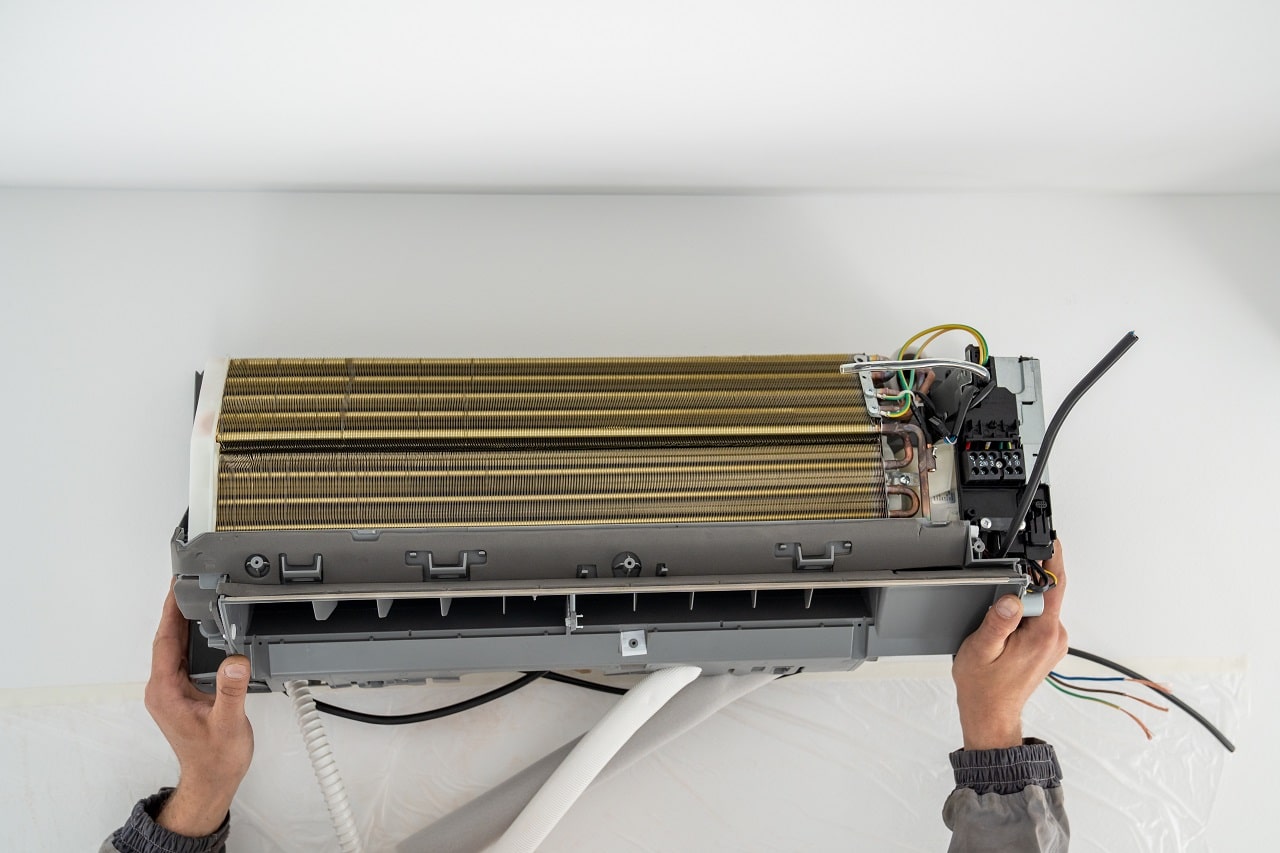
Should You Repair or Replace Your AC in Orlando Heat?
Deciding whether to repair or replace your AC is a big deal when you live in Central Florida. Our heat and humidity are no joke, and a weak AC can turn an ordinary afternoon into a real problem fast. The right choice keeps your home or business comfortable and helps you avoid surprise breakdowns when you need cooling the most. As we move into late spring and temperatures start climbing, it is smart to ask some clear questions about your system. In this guide, we will walk through simple, practical things to look at: age, repair history, comfort, energy use, and indoor air quality so you can tell if AC unit replacement in Orlando makes more sense than another repair.Don’t Let Orlando Heat Turn Your AC Into an Emergency
It is early May in Central Florida. The sun is high, the humidity is creeping up, and your AC that ran “ok” last year suddenly feels like it is struggling. It still turns on, but the house is sticky, and the thermostat keeps climbing in the afternoon. You start to wonder if this is a small problem or the sign of something bigger. In our area, that decision matters more than in cooler places. High heat index and heavy humidity put constant strain on older systems. An AC that limps along in spring can completely give out during a long hot week, when it is working almost nonstop just to keep you comfortable. So instead of waiting for a middle-of-the-day breakdown, it helps to step back and ask: is this system worth another repair, or is it time to plan for AC unit replacement in Orlando before things reach emergency mode?How Old Is Your AC Unit, and Is It Still Working for You?
Age is one of the first questions to ask. In Central Florida, AC systems work hard almost all year. They run more often, sit in hot outdoor spaces, and deal with constant moisture in the air. All of that wears parts out faster. Here are a few quick checks you can do:- Find the manufacturer’s label on the outdoor unit, it usually has the year it was built
- Look at any installation paperwork or manuals you still have
- Think back to when you first moved in or last replaced the system
What Are Your Repair Costs Telling You
The next good question is about money, but not in a high pressure way. It is about patterns. What have you already spent trying to keep this system going? Take a few minutes to look back over the last couple of years:- How many times have you called for AC repair?
- Were the issues minor, or did they involve major parts like the compressor or coils?
- How many days were you uncomfortable or had to adjust your routine while you waited for a fix?
Are Your Comfort and Energy Bills Getting Worse
Next question, how does your home or building actually feel in the afternoon? If your AC is “on,” but you are still uncomfortable, the system might not be working as well as it should. Watch for signs like:- Hot and cold spots in different rooms
- The AC running almost nonstop just to hold the set temperature
- Sticky, heavy air and higher indoor humidity
- Thermostat struggles, especially during sunny May and June afternoons
- More even temperatures throughout your space
- Lower monthly energy use during peak cooling months
- Quieter operation so the system does not feel like background noise all day
- Better humidity control, which helps rooms feel cooler at the same temperature setting
Is Your System Putting Your Indoor Air at Risk
Comfort is not just about temperature. Indoor air quality matters a lot, especially in a humid place like Central Florida. As an AC system ages, it can have a harder time keeping indoor air fresh and clean. You might notice:- More dust building up around vents
- Musty or damp smells when the system starts up
- Visible dirt or signs of moisture near supply grilles
- Allergy or breathing issues that feel worse when you stay indoors for long periods
When to Call RMI for a Pro-level Evaluation
The last big question is timing. When should you get a professional opinion? In Central Florida, waiting for a total failure in the hottest part of the year is stressful and uncomfortable. Late spring is a better time to have your system checked by someone who works with this climate every day. A thorough evaluation from RMI Heating and Air Conditioning typically includes:- A complete inspection of your indoor and outdoor units
- Performance testing to see how well the system is cooling and dehumidifying
- A look at ductwork and airflow issues that might be hurting comfort
- Clear explanations of repair options versus AC unit replacement in Orlando
- Straightforward pricing so you can weigh short-term fixes against long-term value