
Questioning HVAC Installation in Apopka New-Construction Homes
Aug 16, 2026
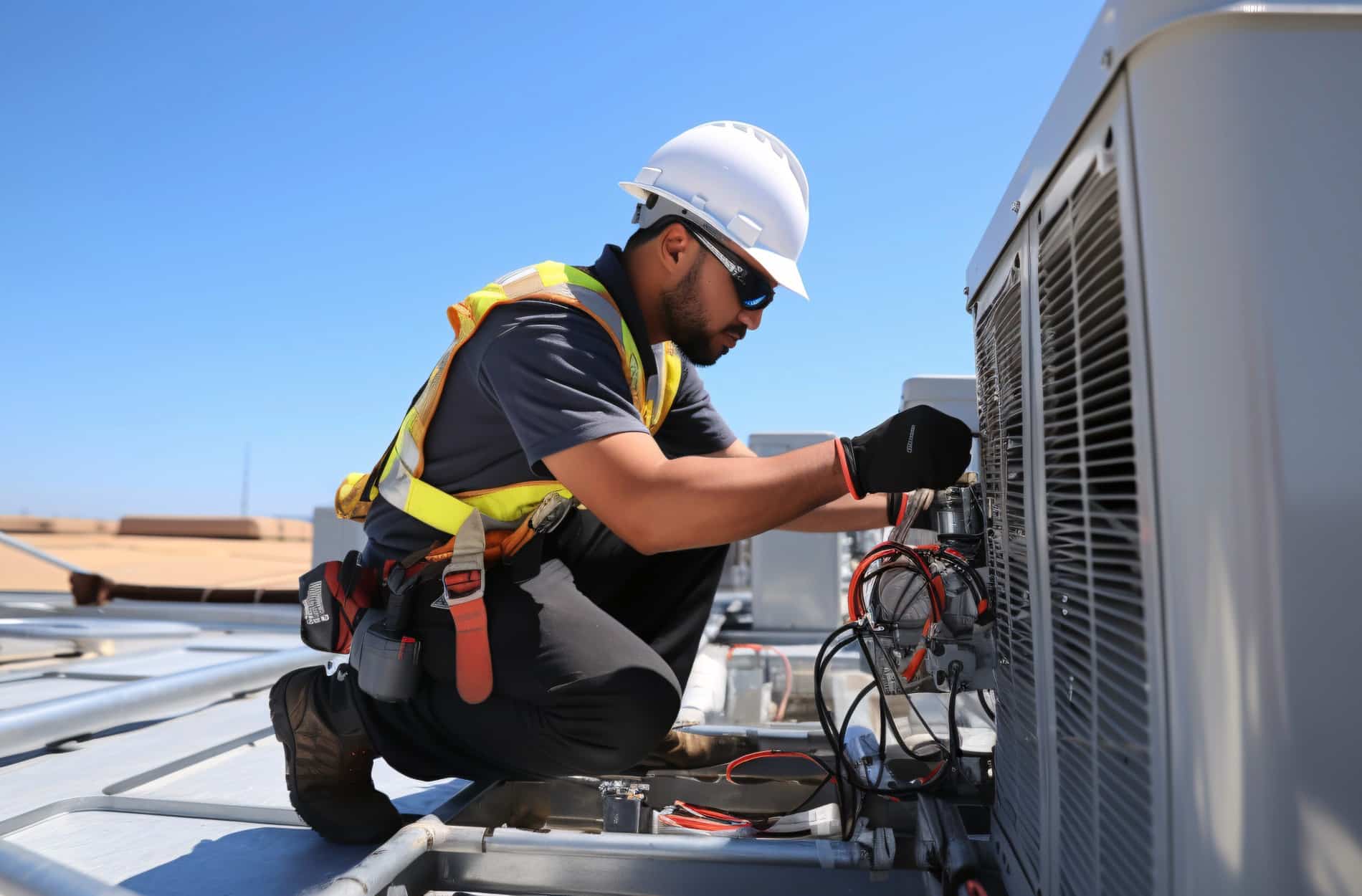
Avoid Regrets in Your New Apopka Home’s HVAC
Buying a new construction home in Apopka is exciting. Fresh paint, clean floors, and no one has lived there before. But behind the walls, one of the most important parts of your home is getting built right now: the HVAC system. The choices made during HVAC installation in Apopka new builds can affect your comfort and energy use for more than a decade. Builders often install systems that meet code and pass inspection, but that does not always mean they fit how your family lives. When no one asks questions, you can end up with hot bedrooms, noisy vents, and high power bills. This is why it is smart to slow down and question what is going on before you close. A few good questions now can protect you from years of frustration later. Our goal is to help you know what to look for, what to ask, and when to bring in an HVAC pro for support.What Builders Do Not Tell You About New Construction HVAC
Many builders focus on staying on schedule and staying within a basic budget. When that happens, HVAC is often treated as a checkbox, not as a comfort system that needs real thought. Common things that happen behind the scenes include:- Equipment chosen mainly by price and availability
- One-size-fits-all system designs used across multiple floor plans
- Duct layouts kept as simple and short as possible, not always as smart as possible
- Little focus on indoor air quality features
- Minimal duct design with long runs of flex duct
- Very few return air pathways, sometimes only one in a hallway
- Small filter grilles that strain the system
- System size picked by “tons per square foot,” not by an actual load calculation
- Some rooms are cooler than others, especially upstairs or over the garage
- The system is loud when it starts or stops
- The air feels sticky, even when the thermostat says the right temperature
- Energy bills are higher than you expected for a new home
How Florida’s Climate Should Shape HVAC Installation in Apopka
The greater Orlando and Apopka area brings a special mix of heat and humidity, especially late in the summer when the days feel long and the air feels heavy. Your AC does more than cool the air. It also needs to remove moisture so your home feels dry and comfortable. If the system is too large or the duct design is poor, the AC can cool the air very fast, shut off quickly, and never run long enough to pull out enough humidity. That can leave the house cool but clammy. Over time, that kind of sticky air can feed mold growth, dust mites, and allergy problems. To handle our climate, it helps when your new home has:- Proper system sizing based on a Manual J load calculation
- Variable-speed or two-stage equipment that can run longer at lower power
- Ductwork designed to limit leaks, hot spots, and pressure problems
- Thoughtful return air placement so air can move easily back to the system
Red Flags in Your New Home’s HVAC You Should Question
You do not have to be an HVAC expert to spot warning signs during a walkthrough. A few simple visual checks can tell you when it is time to ask harder questions. Watch for things like:- Flex duct that is kinked, crushed, or sharply bent
- Long runs of duct lying across attic framing with poor support
- Supply vents tucked behind doors or blowing straight onto thermostats
- No return vent in large rooms, or only one small return for the whole floor
- Noisy, whistling airflow at grilles when the system runs
- No one can provide a written load calculation for your specific home
- The build sheet lists only “3-ton AC” with no brand or model number
- No one explains what SEER2 means or what kind of warranty you have
- Duct sealing methods and materials are not clearly described
- How was the system size picked for this exact floor plan?
- What brand and model are the indoor and outdoor units?
- How are the ducts sealed and tested for leaks?
- How did you verify airflow and refrigerant charge?
- Are there enough return vents for the whole home?
Customizing Comfort Before You Move In
The construction phase is the best time to fine-tune your future comfort. It is usually easier and cleaner to adjust HVAC and ductwork before drywall, paint, and finishes are complete. Smart options to request early include:- Extra return vents in large rooms or upstairs hallways
- Larger filter grilles for better airflow and easier filter changes
- Zoning for two-story homes so each level has its own control
- Smart thermostats that fit your schedule and comfort habits
- Upgraded attic insulation to reduce heat gain from the sun
Protect Your Investment with Professional Oversight
For many families, a new construction home is one of the biggest investments they will ever make. Having an independent HVAC expert do a pre-closing walkthrough can give you confidence that what is behind the walls matches what you were promised on paper. A professional inspection can include:- Checking ductwork for kinks, poor support, or obvious leaks
- Confirming supply and return locations make sense for the floor plan
- Looking at equipment placement for service access and airflow
- Listening for unusual noise or airflow problems during operation