
True Cost of AC Replacement in Orlando: Permits, Ductwork, Electrical, SEER2
May 17, 2026
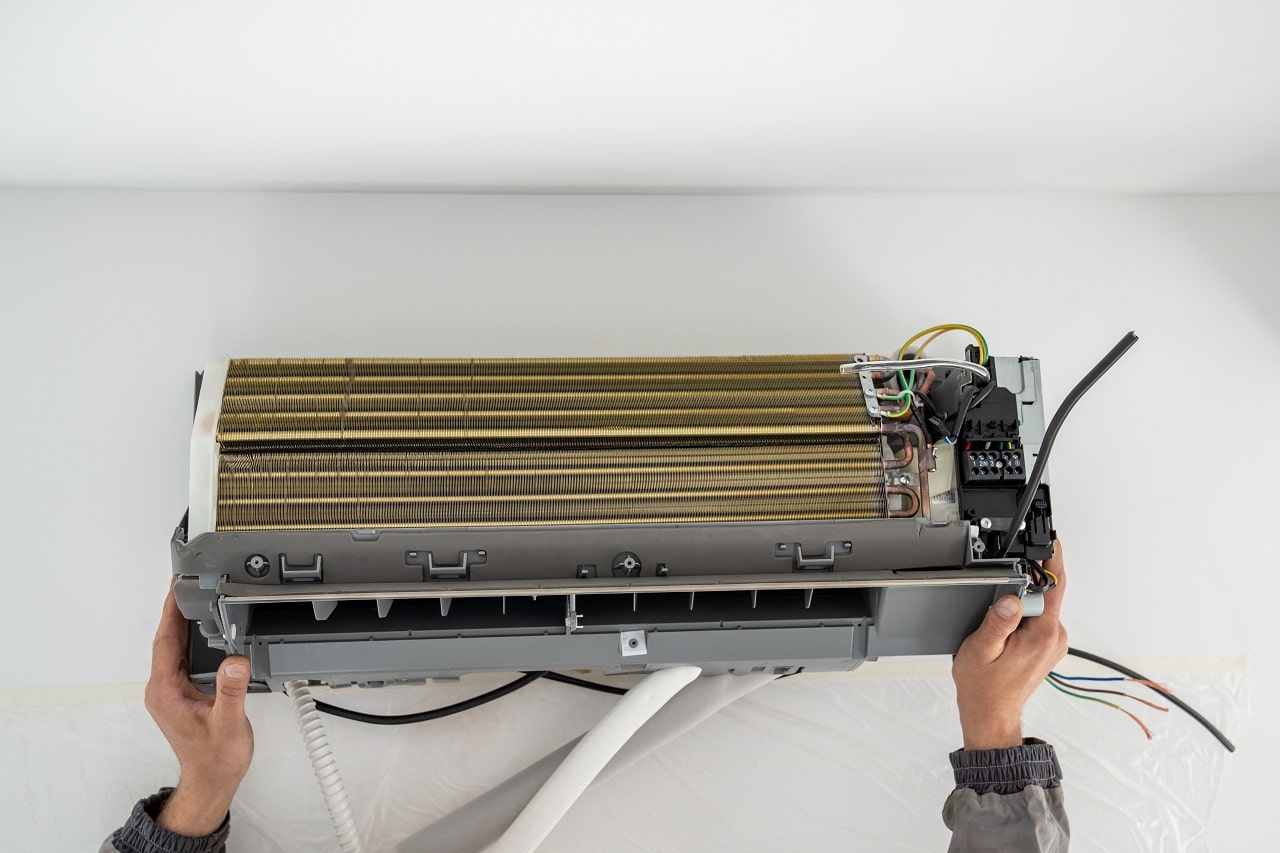
What Orlando Homeowners Really Pay for with AC Replacement
Replacing an AC unit in Orlando is rarely as simple as swapping a box outside. When the heat ramps up around May and your system is struggling, the “price of a new unit” is only part of the story. The real cost includes everything needed to make that new system safe, legal, and able to keep your home comfortable in our hot, humid climate. Permits, ductwork, electrical work, and new SEER2 rules all play a part, and many quotes do not spell these out in clear language. That is how surprise charges show up once the old unit is pulled out and the work has already begun. We want to walk you through what actually drives those price differences, how to compare quotes in a fair way, and how to avoid those mid-job add-ons that feel like a bad surprise. We are a Central Florida HVAC contractor, and we work with both homes and light commercial buildings across Orlando and nearby communities. Our focus is on custom comfort solutions and clear, honest proposals, and we offer help any time of day or night when AC trouble hits at the worst moment.Why AC Replacement Quotes in Orlando Vary so Much
Two quotes for AC unit replacement in Orlando can look completely different, even if they list the same tonnage and efficiency. That is because there are several cost buckets hiding behind that final number. Some of the main pieces are:- Equipment, the outdoor unit, indoor air handler or furnace, thermostat, and accessories
- Labor, removing the old system, setting and connecting the new one, testing, and startup
- Permits, fees required by the city or county to do the work legally
- Ductwork, repairs, sealing, or changes to match the new system
- Electrical work, breakers, wiring, disconnects, and surge protection
- Condensate handling, drain line repairs, safety switches, or pumps
- Code corrections, bringing older homes closer to current standards
- Permit fees
- New refrigerant line sets
- Duct sealing or extra returns
Hidden Permit and Code Costs Many Contractors Skip
In the Orlando area, most AC replacements are supposed to be permitted. That usually means at least a mechanical permit, and sometimes an electrical permit too, depending on what is being changed. These permits are there to protect you, but they also add steps and costs that may not be visible in a quick quote. Typical inspections look at:- Whether the indoor and outdoor units are properly matched
- Breaker sizes and wire sizes for the new equipment
- Refrigerant line diameter and insulation
- Clearances to walls and other equipment
- Outdoor pad height and any hurricane tie-downs
- Replacing old or rusty disconnect boxes
- Adding float switches or drain safety devices to prevent water damage
- Adjusting refrigerant line insulation or routing for better protection
Ductwork, Airflow, and Indoor Air Quality Upgrades
A new high-efficiency AC will not perform the way it should if it is connected to leaky, undersized, or poorly designed ductwork, which is common in older Orlando homes. You might get cooler air at the unit, but not enough of it to the rooms that need it. Duct-related work can include:- Sealing joints and connections to cut down on air leaks
- Adding or resizing return grilles and supply trunks
- Replacing damaged or deteriorated flex duct runs
- Adding returns to rooms that always feel stuffy or warm
- More even temperatures between rooms
- Fewer hot spots during long summer afternoons
- Better humidity control and less sticky air
- Higher efficiency filters or filter cabinets
- UV lights in the air handler to help with microbial growth
- Planned fresh air ventilation options
Electrical and SEER2, the New Rules Shaping Your Price
SEER2 is the newer way efficiency is tested and rated for AC systems. It is similar to the old SEER rating, but the testing method is different and better reflects real-world conditions. New rules set minimum SEER2 levels for the equipment that can be installed in regions like Central Florida. For you, this affects two things:- Upfront cost, higher efficiency systems usually cost more
- Long-term bills, more efficient systems often use less energy over years of heavy cooling
- Different breaker sizes and wire gauges
- New or upgraded disconnects near the outdoor unit
- Surge protection to help protect the investment
- Dedicated circuits for air handlers or heat strips
- Panel upgrades in older homes with limited capacity
How to Compare AC Quotes and Protect Your Budget
When you line up quotes, it helps to look beyond brand names and tonnage. A detailed proposal should spell out what is actually included so you can compare fairly. Look for at least:- Exact equipment model numbers and SEER2 ratings
- A clear labor scope, what is being removed, installed, and tested
- Any duct repairs, modifications, or sealing
- Electrical work, including panel, breakers, and disconnects
- Permit and inspection handling
- Thermostat type and any accessories
- Warranty information on parts and labor
- Is the permit included in this price?
- What ductwork changes are assumed, and what would cost extra?
- What electrical upgrades might be needed based on my panel?
- If the inspector asks for more corrections, how will that be handled?