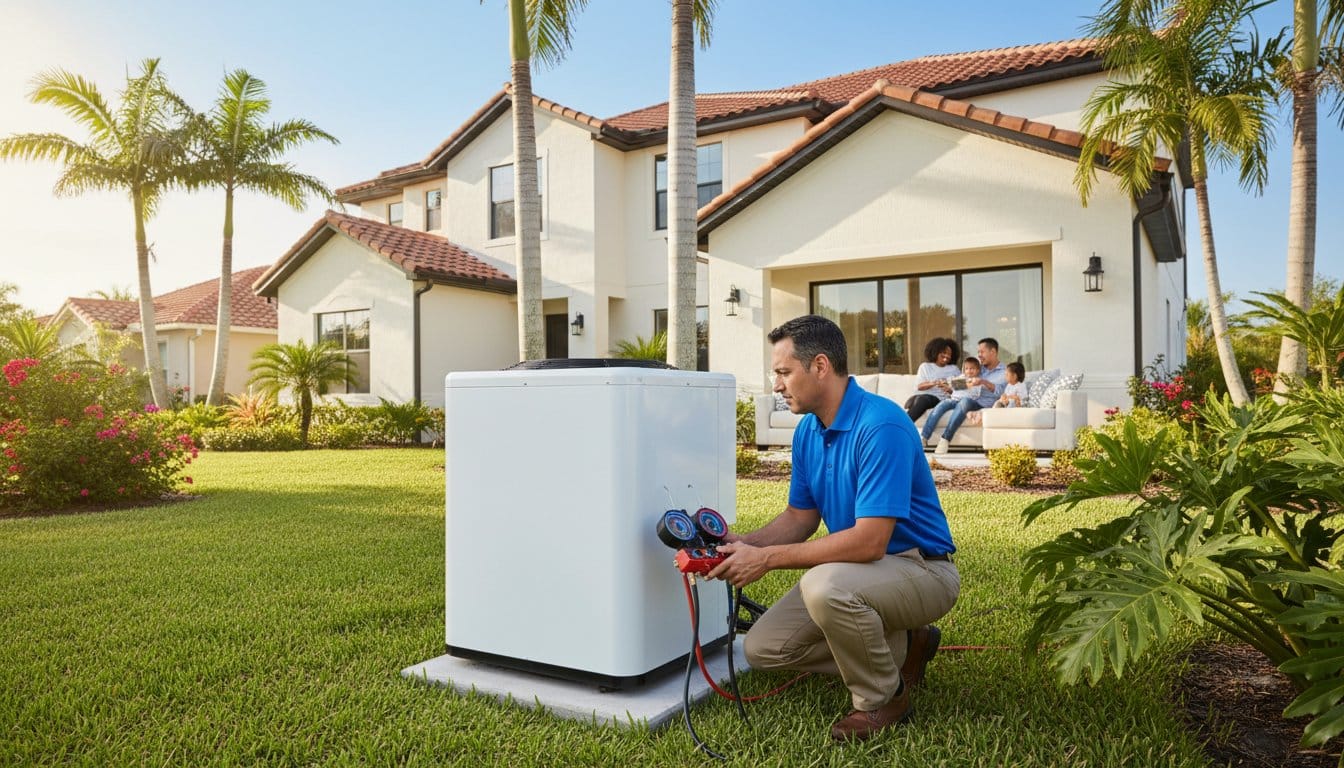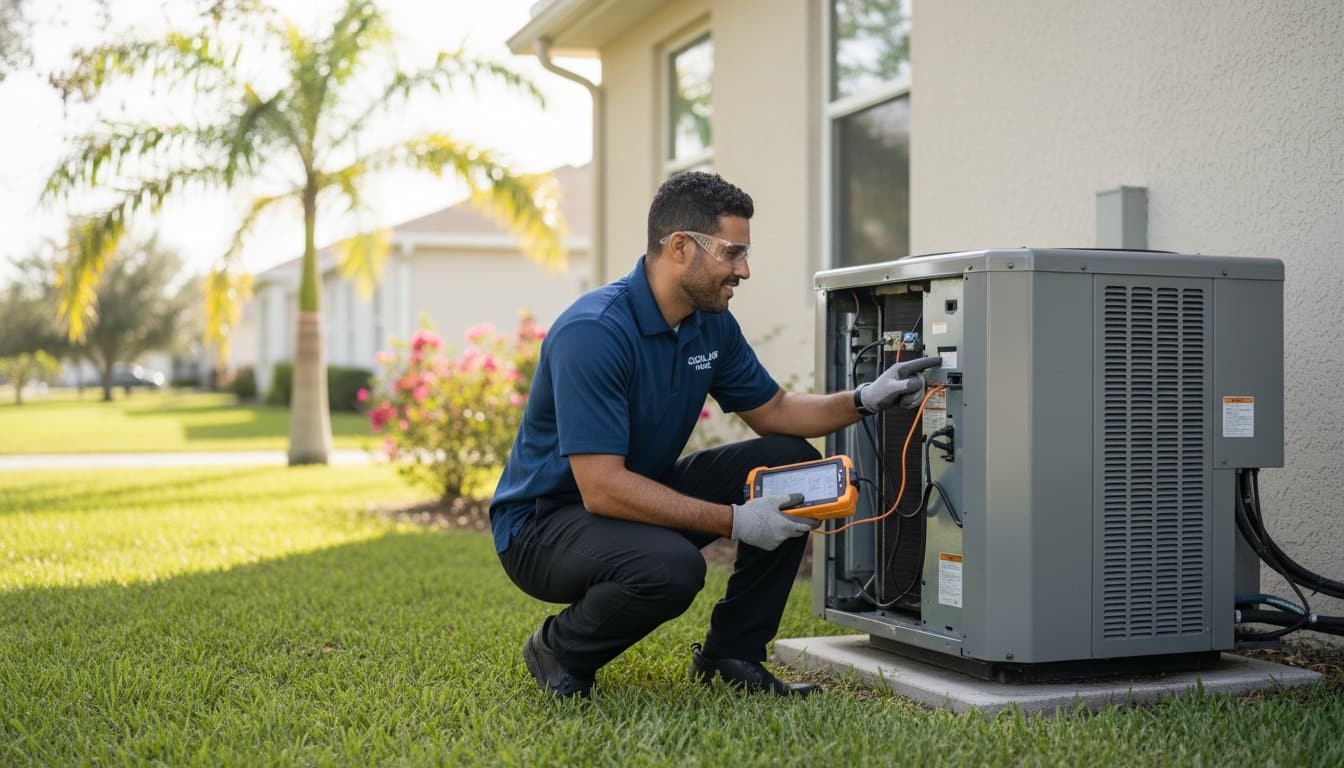

That sinking feeling hits the moment you realize it—the air from your vents isn’t cold, and your home is getting warmer by the minute. In the middle of a Florida summer, a broken air conditioner is more than an inconvenience; it’s an emergency. You need a fast solution, an honest diagnosis, and a price you can trust. For homeowners searching for dependable ac repair orlando, the stress can be overwhelming. Since 2006, our team has been the trusted partner for countless families, delivering cooling you can count on when it matters most.
This guide is here to restore your peace of mind. We’ll explain what to expect from a professional repair service, from our 24/7 emergency response to our commitment to transparent, upfront pricing with no hidden fees. You’ll learn how our certified experts quickly diagnose the issue and why our fully stocked trucks mean we can often complete the repair in a single visit. Our goal is to get your system running efficiently again, so you can get back to feeling cool and comfortable in your home.
Why Choose RMI for Your AC Repair in Orlando?
When your air conditioner fails in the middle of a sweltering Florida summer, you don’t just need a repair—you need a fast, reliable solution from a team you can trust. At RMI, we’re more than just another service company; we’re your neighbors. We’ve been providing dependable ac repair orlando residents count on since 2006. Our mission is simple: restore your comfort with honesty, expertise, and an unwavering commitment to your satisfaction.
We combine decades of hands-on experience with a genuine dedication to our customers, ensuring you get cooling you can count on when you need it most.
Experience You Can Trust Since 2006
For over two decades, RMI has been diagnosing and solving complex AC problems across Central Florida. Our certified technicians bring years of hands-on experience to every job. They don’t just fix surface-level symptoms; they understand the core principles of how air conditioning works, allowing them to pinpoint the root cause of any issue. This deep expertise means we can efficiently service all makes and models, building on our long history of satisfied customers who rely on our professional solutions.
Fast Response with Fully Stocked Trucks
We know that a broken AC is an emergency in our climate. That’s why we prioritize a quick response to get your system back online. Our service vehicles are essentially “warehouses on wheels,” arriving at your home fully stocked with the most common parts and specialized tools needed for immediate repairs. Our goal is to solve the problem on the very first visit, minimizing your downtime and restoring your cool, comfortable environment as quickly as possible.
Transparent Pricing & Honest Diagnosis
Trust is the foundation of our service. We believe in complete transparency from the moment you call us. Before any work begins, our technician will provide a clear, upfront estimate and explain the issue in plain English. We are committed to providing an honest diagnosis focused on what you actually need. You can always count on us for:
No Hidden Fees: The price we quote is the price you pay.
Clear Options: We explain your repair choices so you can make an informed decision for your home and budget.
No Upselling Pressure: We focus on necessary repairs to restore your system’s performance, not on selling you services you don’t need.
Common AC Problems We Solve for Orlando Homeowners
In the Florida heat, a malfunctioning air conditioner is more than an inconvenience—it’s an emergency. AC systems can fail for countless reasons, from a simple tripped breaker to a complex component failure. Our certified technicians have the experience to quickly diagnose the root cause of any issue, providing the fast and reliable ac repair Orlando residents depend on. Recognizing the early warning signs can help you know exactly when to call us for a professional solution.
AC Unit Not Turning On
When your AC won’t power on at all, it can be a frustrating puzzle. Our experts methodically trace the problem, starting with the most common culprits like thermostat settings and tripped circuit breakers. We then inspect for more serious issues, such as faulty wiring or a malfunctioning safety switch, ensuring power is safely and reliably restored to your unit so you can get back to being comfortable.
System is Blowing Warm Air
Nothing is worse than an AC that runs constantly but only produces warm air. This common problem often points to issues like low refrigerant due to a leak or dirty coils that can’t transfer heat effectively. Our team will check for compressor problems and restricted airflow, which can also be a cause. As the U.S. Department of Energy advises, properly maintaining your air conditioner can prevent many of these issues. If a refrigerant leak is found, we perform expert leak detection and recharge your system according to all environmental regulations.
Strange Noises or Unpleasant Odors
Unusual sounds like grinding, squealing, or banging are your AC’s way of telling you something is wrong. These often indicate a loose part or a failing motor that needs immediate attention. Similarly, musty or foul odors can signal mold growth in your ductwork or a clogged drain line. We pinpoint the source of these problems to fix loose components before they cause more extensive damage and eliminate odors for cleaner, healthier air.
Water Leaks and Frozen Evaporator Coils
Discovering a puddle of water around your indoor unit is a clear sign of trouble, usually caused by a clogged condensate drain line. If left unaddressed, this can lead to significant water damage. Another common issue is a frozen evaporator coil, which is often a symptom of restricted airflow or low refrigerant. Our technicians provide the expert ac repair Orlando homeowners need to clear blockages, resolve freezing issues, and ensure your system’s drainage works flawlessly.
Our Orlando AC Repair Process: What to Expect
When your air conditioner fails, the last thing you need is a confusing or stressful service experience. We believe in providing a professional, transparent process from your first call to the final handshake. Knowing what to expect alleviates the anxiety of a service call, which is why we’ve designed our entire ac repair Orlando process for efficiency, clarity, and your complete satisfaction. We keep you informed every step of the way, ensuring there are no surprises—just reliable solutions.
Step 1: Easy Scheduling & Prompt Dispatch
Getting the help you need is simple. Your experience begins with a call to our friendly, local customer service team. We listen to your concerns and work with you to find an appointment time that fits your busy schedule. You can expect:
A Clear Conversation: Tell us the problem, and we’ll schedule a certified technician to visit your home.
Flexible Appointments: We offer convenient windows to minimize disruption to your day.
Courtesy Call: Your technician will call you when they are on their way, so you know exactly when to expect them.
Step 2: Thorough Diagnosis & Clear Explanation
Once on-site, our expert technician gets to work performing a comprehensive diagnostic check to pinpoint the exact cause of the issue. We don’t believe in technical jargon; we explain the problem and the solution in terms you can easily understand. We provide an honest assessment, helping you understand if a straightforward repair is the best route or if it’s time to review the long-term benefits of deciding to replace your AC. You’ll receive a detailed, upfront quote with no hidden fees before any work begins.
Step 3: Efficient Repair & System Testing
With your approval, our technician will perform the necessary repair efficiently and meticulously. Our service vehicles are fully stocked with high-quality parts, allowing us to complete most jobs in a single visit. After the repair is complete, we don’t just pack up and leave. We thoroughly test your air conditioning system to ensure it’s running at peak performance and cooling your home effectively. Your comfort is our final check.
Ready for a stress-free repair experience you can count on? Schedule Your Service Call Today!
Repair vs. Replace: An Honest Assessment for Your AC
When your air conditioner fails, one of the biggest questions homeowners in Orlando face is whether to repair the unit or invest in a full replacement. At Roberts Mechanical Incorporated, our priority is not just to fix the immediate problem, but to provide you with a transparent, expert assessment of your system’s health. We believe in empowering you to make an informed decision that balances upfront costs with long-term savings and reliability. Our certified technicians will help you weigh crucial factors like your unit’s age, the cost of the repair, and its overall energy efficiency.
When AC Repair is the Smart Choice
In many cases, a targeted repair is the most practical and cost-effective solution. Our goal is to extend the life of your current equipment whenever it makes financial sense. For many homeowners, a professional ac repair orlando service is the right call if:
Your system is relatively new. If your AC unit is less than 10-12 years old and has been well-maintained, it likely has several more years of reliable service left.
The repair cost is manageable. A good rule of thumb is that if the repair cost is less than 30-40% of the price of a new system, a repair is often the better investment.
The issue is a common component failure. Problems with capacitors, fan motors, or contactors are typically straightforward fixes that don’t indicate a system-wide failure.
Signs It Might Be Time to Replace Your AC
While we always aim to repair first, there comes a point when investing in a new, high-efficiency system is the smarter financial move. Continuing to fix an aging, inefficient unit can become a costly cycle. It may be time to consider a replacement if:
Your AC is over 15 years old. Older systems are significantly less efficient and more prone to major component failures. Frequent service calls are a clear warning sign.
The repair is too expensive. If a proposed repair, such as a compressor replacement, costs 50% or more of what a new unit would, replacement is almost always the better long-term value.
Your energy bills are climbing. A noticeable, steady increase in your cooling costs often means your AC is losing efficiency and working harder than it should to cool your home.
Your system uses R-22 refrigerant. This older refrigerant has been phased out due to environmental concerns. It is now extremely expensive and difficult to source, making major repairs on R-22 systems impractical.
Making the right choice depends on a reliable diagnosis from a trusted expert. Our team is committed to providing the honest guidance you need to protect your comfort and your budget. For a complete and transparent evaluation of your system, schedule your service with our certified technicians today.
Serving Orlando and All of Central Florida
When your AC breaks down, the last thing you need is to wonder if a reliable technician serves your area. Our commitment to efficient cooling extends far beyond a single neighborhood—it covers the entire Central Florida region. We believe every family and business deserves fast, professional service. No matter where you are, our team is ready to be dispatched from our fully stocked trucks to restore your comfort. This dedication has made us the trusted local experts for countless communities seeking dependable ac repair Orlando and beyond.
Your Local Technicians in Orlando, Winter Park, and Apopka
From the bustling downtown business district to quiet residential streets, we provide prompt and effective AC service throughout Orlando. Our expert technicians are a familiar sight in Winter Park, serving both homeowners and commercial clients with the same high standard of professionalism. Whether it’s an emergency repair or a routine system tune-up, residents in the Apopka community know they can count on us for reliable solutions and guaranteed satisfaction.
Extending Our Services to Kissimmee, Sanford, and Beyond
Our extensive service area ensures no one is left sweating in the Florida heat. You can count on our team for trustworthy cooling solutions when your system fails in Kissimmee. Our certified technicians are also frequently dispatched to resolve complex cooling challenges for families and businesses in the Sanford and Lake Mary corridor. We are proud to extend our expert services to customers in communities like Clermont, Lakeland, and Altamonte Springs.
Our primary service areas include, but are not limited to:
Orlando
Winter Park
Apopka
Kissimmee
Sanford
Lake Mary
Clermont
Altamonte Springs
Lakeland
Your comfort is our top priority, and our expansive service area reflects that promise. Since 2006, we have built our reputation on reliability and trust, one service call at a time. We have strategically positioned our team to provide efficient, expert AC repair to as many Central Florida residents as possible. When you need a partner you can count on, remember that our expertise is never far away. For cooling you can count on, contact us today.
Your Trusted Choice for Fast, Reliable AC Repair
When your air conditioner fails in the sweltering Florida heat, you need a solution that is both fast and dependable. Choosing an experienced, trustworthy technician isn’t just a good idea—it’s essential for a lasting fix and your peace of mind. At RMI, we’ve built our reputation on providing exactly that: professional service you can count on, every time.
For expert ac repair orlando, our team is ready to help. As a company trusted in Central Florida since 2006, we are dedicated to your complete satisfaction. Our promise is simple: fast, expert service when you need it most. With 24/7 emergency service available, you’re never left to suffer through a hot night or weekend. Plus, our fully stocked trucks mean our certified technicians arrive prepared to solve your AC problems efficiently, often on the very first visit.
Don’t wait in the heat. Restore your comfort today.
Your AC broken? Get fast, reliable repair service in Orlando now!
Frequently Asked Questions About AC Repair in Orlando
How much does a typical AC repair cost in Orlando?
The cost of an AC repair depends on the specific issue, from a simple capacitor replacement to a more complex refrigerant leak. We always start with a comprehensive diagnostic evaluation to pinpoint the exact problem. Before any work begins, our certified technician will provide you with a clear, upfront estimate. This transparent approach ensures you understand all costs involved and can make an informed decision, guaranteeing no surprises on your final bill.
How quickly can you get a technician to my home for a repair?
We understand that a broken AC is an urgent problem, especially in the Orlando heat. We prioritize quick response times and offer same-day service whenever possible. Our service vehicles arrive fully stocked with the most common parts and tools, allowing our expert technicians to diagnose and fix the issue efficiently, often in a single visit. Your comfort is our top priority, and we work quickly to restore it.
Is it better to repair my old air conditioner or replace it?
Our trusted technicians provide honest advice to help you decide. Generally, if your unit is over 10-12 years old, requires frequent repairs, or a repair costs nearly half the price of a new system, replacement is often the more cost-effective choice. A new, high-efficiency unit can also significantly lower your energy bills. We will assess your system’s condition and give you a professional recommendation based on your specific needs and budget.
Do you offer 24/7 emergency AC repair services in the Orlando area?
Yes, we absolutely do. We know that air conditioners can fail at the most inconvenient times—day or night. That’s why we provide reliable 24/7 emergency ac repair Orlando residents can count on, including weekends and holidays. If you have an urgent cooling issue, don’t hesitate to call us. Our team is always on standby, ready to dispatch a certified technician to your home quickly to restore your comfort and peace of mind.
What are the signs that my air conditioner needs urgent repair?
Look out for several key warning signs. If your AC is blowing warm air, making strange noises like grinding or squealing, or producing unusual odors, it needs immediate attention. Other urgent indicators include frequent cycling on and off, visible leaks around the unit, or a sudden spike in your utility bills. Ignoring these symptoms can lead to more extensive and costly damage, so it’s best to call for a professional diagnosis right away.
What common air conditioner brands and models do you service?
Our certified and experienced technicians are trained to service all major air conditioner brands and models. We have extensive hands-on experience with leading manufacturers like Trane, Carrier, Lennox, Goodman, Rheem, and many more. No matter the age or type of your system, from central AC units to ductless mini-splits, you can be confident that our team has the expertise and tools to diagnose and fix the problem correctly the first time.
Can regular maintenance prevent the need for expensive AC repairs?
Yes, preventative maintenance is the most effective way to avoid unexpected and costly AC repairs. A routine tune-up allows our technicians to clean critical components, check refrigerant levels, and identify minor issues before they become major breakdowns. This not only extends the lifespan of your unit but also ensures it runs at peak efficiency, saving you money on energy bills. Regular service is a smart investment in reliable, long-term comfort for your home.
That sudden chill in your home when the heat should be kicking on is an unwelcome and stressful surprise. You check the thermostat, but the silence from your furnace tells the real story, leaving you to face the cold and the worry of a potential repair bill. Before you reach for the phone, it’s important to know that the issue is often a simple one. In many cases, the problem is just a pilot light out—a fix that you can safely handle yourself without needing an emergency service call.
This guide was created to give you confidence and control. We will walk you through the exact steps to safely inspect and relight your pilot light, getting your heat back on quickly. We’ll also show you the clear warning signs that indicate a more serious issue, so you know precisely when it’s time to trust the job to a certified expert. Let’s restore the warmth to your home, safely and reliably.
What Is a Pilot Light and Does Your Furnace Even Have One?
When your furnace stops producing heat, one of the first culprits homeowners suspect is an extinguished pilot light. Dealing with a potential pilot light out can be frustrating, but before you troubleshoot, it’s essential to understand its function. To get a reliable overview, it helps to first answer the basic question: What is a pilot light? In simple terms, it is a small, continuous gas flame that serves one primary purpose: to ignite the main burners in your furnace when the thermostat calls for heat. This constant flame ensures that your system can provide heat reliably and on demand.
However, it’s crucial to know that this technology is no longer standard in all heating systems. Many modern, high-efficiency furnaces do not have a standing pilot light at all. Identifying your system type is the first step toward a quick and accurate fix.
Standing Pilot Lights vs. Electronic Ignitions
A standing pilot light is the traditional system, common in furnaces that are more than 10 to 15 years old. You can identify it by a small, constant blue flame that should be visible through an access panel on your furnace. While reliable, this system consumes a small amount of gas continuously, even when the furnace isn’t actively heating your home.
In contrast, modern furnaces typically use an electronic ignition. These systems are more energy-efficient because they don’t require a constant flame. Instead, they create a spark (intermittent pilot) or use a hot surface ignitor to light the main burners only when needed. If you don’t see a constant flame, your furnace likely has one of these more efficient, modern systems.
How to Check if Your Pilot Light is Out
The most obvious sign of an issue is when your furnace blower turns on but only pushes cold air through your vents. This indicates the burners are not igniting. If you have an older furnace, a visual check is the next step to confirm if your pilot light is out. Here’s how to do it safely:
Locate the small access window or panel on the front of your furnace unit, near the bottom.
Look carefully through the opening for a small, steady blue flame. It is usually located at the end of a small gas tube.
If you see the flame, your pilot light is working correctly, and the problem lies elsewhere.
If you do not see a flame, your pilot light has been extinguished.
Remember, an absence of a flame only confirms a problem if your system actually uses a standing pilot. If you’re unsure, check your furnace’s manual or contact a certified HVAC expert for a dependable diagnosis.
Top 3 Reasons Your Pilot Light Goes Out
A pilot light that keeps extinguishing is more than an inconvenience—it’s a clear signal from your furnace or water heater. Understanding the root cause is the first step toward a reliable, long-term fix and helps prevent the issue from happening again. While many causes are simple, a recurring pilot light out problem can sometimes point to a more significant issue needing an expert eye. By diagnosing the most common problems first, you can efficiently identify the solution.
A Strong Draft
Sometimes, the simplest explanation is the right one. A strong air current can be enough to extinguish the small, steady flame of a pilot light. This is a frequent issue because the flame is unprotected. This draft can be caused by several factors:
An open window or door located too close to the appliance.
Poorly sealed or faulty ductwork creating air pressure changes.
Even a clothes dryer running in the same small room can create a significant draft.
A quick and easy check is to ensure your furnace’s front access panel is closed and securely fastened. A loose panel can disrupt airflow and blow out the flame.
Dirty or Clogged Orifice
The pilot light assembly includes a tiny component called an orifice, which is the opening where gas is released to create the flame. Over months and years of operation, dust, soot, and other small debris can build up and clog this opening. When the orifice is partially blocked, it starves the flame of the fuel it needs to burn steadily. You might notice the flame becoming weak, flickering, or turning yellow instead of a crisp blue before it eventually goes out completely.
Faulty Thermocouple
One of the most common points of failure, especially in older systems, is the thermocouple. This is a crucial safety sensor positioned directly in the pilot flame. Its job is to detect heat and signal the gas valve to stay open. If the pilot light goes out, the thermocouple cools down and automatically shuts off the gas supply, preventing a dangerous leak. However, if the thermocouple itself fails, it can no longer sense the flame’s heat correctly. It will then mistakenly shut off the gas supply even when the pilot is burning perfectly. This safety component is fundamental to all modern furnace safety standards. If you can relight the pilot but it won’t stay lit after you release the control knob, a faulty thermocouple is the most likely culprit.
Safety First: Before You Try to Relight Your Pilot
Working with natural gas requires your full attention and caution. Before you attempt to fix a pilot light out issue, completing a few non-negotiable safety checks is the most important step. Your safety is always the top priority. While there are several common reasons your pilot light goes out, from a faulty thermocouple to a simple draft, they all involve a fuel source that must be handled correctly. Never skip these steps, even if you have relit a pilot light before. Following these rules is the only way to prevent a minor inconvenience from turning into a dangerous gas leak.
The Gas Smell Test: Your Most Important Tool
Your sense of smell is your first and most reliable line of defense. Natural gas is odorless, so utility companies add a substance called mercaptan, which gives it a distinct smell like sulfur or rotten eggs. If you detect this odor, STOP everything you are doing immediately. Do not touch any light switches, unplug appliances, or use your phone. Any spark could be dangerous. Leave the building right away, and once you are safely outside, call your gas company’s emergency line. Only proceed with the next steps if you are 100% certain there is no gas smell.
Prepare Your Workspace for a Safe Fix
Once you’ve confirmed the area is free of gas odor, properly preparing your workspace ensures a safe and efficient process. Taking a few moments to get organized protects both you and your property. Before you begin, follow this simple checklist:
Read the Instructions: Your furnace, water heater, or fireplace will have specific relighting instructions printed on a panel directly on the unit. Read them thoroughly first.
Clear the Area: Remove any flammable materials, such as paint cans, cleaning supplies, paper, or laundry, from the immediate vicinity of the appliance.
Get a Flashlight: The pilot light is often in a dark, hard-to-see area. Use a bright flashlight for illumination. Never use a match or lighter for light.
Turn Off the Thermostat: Set your thermostat to the lowest possible setting or “Off.” This prevents the furnace from trying to ignite while you are working on it.
With these safety checks complete, you can confidently and securely move on to the next step: relighting the pilot.
How to Safely Relight Your Pilot Light: A Step-by-Step Guide
Dealing with a furnace when the pilot light is out can seem daunting, but it’s a manageable task for many homeowners. This guide provides a general process that works for most older gas furnaces. However, your safety is the absolute priority. Always begin by reading the specific instructions on the manufacturer’s label attached to your furnace unit. Follow these steps precisely. If you feel unsure at any point or the pilot light won’t stay lit, it’s a sign you need expert help. For reliable and safe service, you can always contact a certified Roberts Mechanical Incorporated technician.
Step 1-2: Locate the Gas Valve and Turn It Off
First, you must ensure all gas flow is stopped. Locate the gas valve control knob on your furnace’s gas valve assembly, typically found near the gas inlet. This knob will have three settings: ‘ON,’ ‘OFF,’ and ‘PILOT.’ Firmly push in and turn the knob to the ‘OFF’ position. This is the most critical safety step. Wait at least 5-10 minutes to allow any lingering gas in the system to dissipate completely before you proceed.
Step 3-4: Set to ‘PILOT’ and Light the Flame
Once the area is clear of gas, you can prepare to light the flame. Turn the control knob from ‘OFF’ to the ‘PILOT’ setting. Press and hold the knob down (some models may have a separate red button). This action starts the flow of a small amount of gas to the pilot orifice. While continuing to hold the button down, use a long-handled lighter or a match on a holder to bring a flame to the pilot light opening. The pilot should ignite immediately.
Step 5-6: Keep Holding, Release, and Turn to ‘ON’
After the pilot flame ignites, do not release the button immediately. Continue holding it down for a full 30-60 seconds. This heats up the thermocouple, a safety device that shuts off the gas if the flame goes out. After a minute, slowly release the button.
If the pilot flame stays lit, you have been successful. You can now turn the control knob from ‘PILOT’ to the ‘ON’ position. You should hear a distinct click as the main gas valve opens.
If the pilot flame goes out, wait another 10 minutes for the gas to clear and repeat the previous steps. If it still won’t stay lit after a few attempts, you likely have a faulty part that requires professional diagnosis.
Finally, turn up your thermostat to call for heat and confirm your furnace kicks on. A steady blue flame is the sign of a job well done.
Pilot Light Won’t Stay Lit? When to Call a Professional
While relighting a pilot light is often a straightforward task, a flame that repeatedly goes out is a clear warning sign. This indicates an underlying issue that requires more than a simple fix. Attempting advanced repairs on gas appliances without professional training can be extremely dangerous. If you’re dealing with a persistent pilot light out problem, it’s time to stop troubleshooting and call a certified technician for a safe, reliable solution.
Recognizing the signs of a deeper problem is key to keeping your home and family safe. Here are the most common issues that demand an expert’s attention.
Signs of a Failing Thermocouple
The most frequent reason a pilot light won’t stay lit is a faulty thermocouple. This is a critical safety sensor that shuts off the gas supply if it doesn’t detect a flame. The classic symptom is a pilot that lights while you hold the control knob down but extinguishes the moment you release it. While this part is essential for safety, replacing it is a quick and efficient job for a trained professional. Our experts can replace your thermocouple today.
A Weak or Yellow Flame
Pay close attention to the flame itself. A healthy pilot light should be a steady, crisp blue color with a strong tip. If you see a weak, flickering, or yellow flame, it’s a sign of incomplete combustion. This can be caused by a dirty gas orifice or an improper air-to-fuel mixture. A yellow flame not only creates soot but, more importantly, can increase the risk of carbon monoxide production. This requires professional cleaning and precise adjustment to ensure safe operation.
You’re Unsure or Uncomfortable
Your safety is the absolute priority. If you encounter any of the following situations, stop immediately and call for professional service:
You smell gas at any point. Evacuate the area and call your gas company and an HVAC professional from a safe location.
The instructions on your appliance differ greatly from standard procedures, and you’re not sure how to proceed.
You feel uncertain or uncomfortable with any step of the process.
Facing a pilot light out situation can be stressful, but with this guide, you’re now equipped to handle it safely. Remember the most critical takeaways: always prioritize safety by checking for gas smells before you begin, and understand that knowing when to call a professional is as important as the relighting process itself. While a simple relight can often solve the problem, a persistent issue points to a deeper concern that requires an expert’s attention.
If your pilot light refuses to stay lit, it’s time to call for backup you can count on. RMI has provided trusted HVAC services since 1999, and our certified experts are always ready to help. With 24/7 emergency heating repair and fully stocked trucks, we can diagnose and fix the problem quickly and efficiently. If your pilot light won’t stay lit, call the trusted experts at RMI for 24/7 service.
Don’t let a furnace problem leave you in the cold. Your comfort and safety are our top priorities, and we’re here to ensure your home stays warm all winter long.
Frequently Asked Questions About Pilot Lights
What should a healthy pilot light flame look like?
A healthy pilot light should be a strong, steady flame that is mostly blue with a small yellow or orange tip. It should be about one to two inches high and completely envelop the tip of the thermocouple sensor. If the flame is weak, flickering, lifting off the orifice, or mostly yellow, it indicates a problem that needs attention from a certified technician. This ensures your furnace is operating efficiently and safely.
Is it dangerous if my pilot light goes out?
Generally, having your pilot light out is not immediately dangerous. Modern furnaces have a safety device called a thermocouple that automatically shuts off the gas supply when the flame is extinguished, preventing a gas leak. The primary issue is the loss of heat. However, if you ever smell natural gas (a rotten egg odor), you should evacuate the area immediately and call your gas company from a safe location.
Why is my pilot light flame yellow instead of blue?
A yellow pilot flame is a warning sign. It indicates incomplete combustion, which is typically caused by dirt or debris clogging the pilot orifice and restricting airflow. This condition is not only inefficient but can also produce harmful carbon monoxide. For your safety, a yellow flame should be addressed immediately by a professional HVAC expert who can safely clean the assembly and restore proper function to your system.
How can I tell if my furnace’s thermocouple is bad?
The most common symptom of a failing thermocouple is a pilot light that will not stay lit. You may be able to light the pilot, but it extinguishes as soon as you release the gas control knob. This happens because the thermocouple is no longer sensing the flame’s heat and is shutting off the gas as a safety precaution. This is a reliable sign that the part needs to be tested and likely replaced by an expert.
Should I turn my furnace’s pilot light off during the summer?
Turning the pilot light off in the summer can save a small amount on your energy bill. However, leaving it on can help prevent moisture, insects, and debris from accumulating in the pilot assembly, which can sometimes cause issues when you try to relight it in the fall. The choice is up to you, but if you do turn it off, we recommend scheduling a professional tune-up before the heating season begins to ensure reliable performance.
How much does it cost for a professional to fix a pilot light issue?
The cost varies depending on the specific problem. A simple cleaning or adjustment during a routine service call is the most affordable solution. If a component like the thermocouple or gas valve has failed, the cost will include the part and labor, typically ranging from $150 to over $350. Our certified technicians always provide a clear, upfront estimate before beginning any repair, so you can count on transparent pricing.
Nothing disrupts a Central Florida day faster than an air conditioner that stops working. The indoor temperature starts to climb, and so does your stress level. Before you panic and assume the worst, a little basic ac troubleshooting can often save you time, money, and worry. Many common issues have surprisingly simple solutions, but it can be hard to know where to begin or whether you’re dealing with a quick fix or a serious problem that requires an expert.
This guide was created to give you confidence. We’ll walk you through seven of the most frequent AC problems our certified technicians see, providing a simple, step-by-step process to help you safely diagnose the issue. You will learn what to check, how to handle minor fixes on your own, and gain the peace of mind that comes from knowing exactly when it’s time to call for trusted, professional service. Let’s get your home cool and comfortable again.
Start Here: 3 Simple Checks Before You Panic
When your air conditioner suddenly stops working on a hot day, it’s easy to assume a costly repair is needed. But before you pick up the phone, take a deep breath. This initial phase of ac troubleshooting is something every homeowner can do safely. These three simple checks are designed to be your first line of defense. They are quick, require no special tools, and solve a surprising number of common AC issues, potentially saving you the cost and wait of an unnecessary service call.
1. Check Your Thermostat Settings
The thermostat is the brain of your cooling system, and a simple settings error is a very common culprit. Before looking anywhere else, confirm the following:
Is it set to ‘Cool’? It’s easy for settings to be accidentally changed. Ensure the system mode is set to “Cool” and not “Heat,” “Off,” or “Fan Only.”
Is the temperature correct? The set temperature must be lower than the current room temperature for the AC to kick on.
Do the batteries need replacing? If your thermostat isn’t hardwired, a dead or dying battery can prevent it from communicating with your AC unit.
2. Inspect Your Air Filter
A clogged air filter is the single most common cause of reduced cooling performance and system failure. It restricts airflow, forcing your AC to work much harder than it should. Understanding the importance of airflow is fundamental to grasping how air conditioning systems work. To check yours, locate the filter—typically in a slot on your indoor furnace or air handler, or in a large return air vent. Slide it out and hold it up to a light. If you can’t see light through it, it’s too dirty.
A dirty filter (right) severely restricts airflow compared to a new, clean filter (left).
If your filter is visibly clogged with dust and debris, replace it with a new one of the correct size. This simple step can restore airflow and dramatically improve cooling efficiency.
3. Look at Your Circuit Breaker
Your air conditioner is a powerful appliance that draws a lot of electricity. A power surge or an overloaded circuit can cause its dedicated circuit breaker to trip as a safety precaution, cutting power to the unit. Go to your home’s main electrical panel and look for the breaker labeled for your “AC,” “Air Handler,” or “Condenser.” If a breaker is tripped, it will be in the “OFF” position or shifted to the middle. To reset it, push the switch firmly to the “OFF” position first, then flip it back to “ON.”
Important: Only attempt to reset the breaker once. If it trips again immediately, leave it off and call a trusted expert. A repeatedly tripping breaker signals a more serious electrical problem that requires professional diagnosis.
Symptom: AC Won’t Turn On At All
There’s nothing more stressful than an air conditioner that refuses to start, especially during a sweltering Florida summer. If you’ve already confirmed your thermostat has power and the circuit breaker hasn’t tripped, your ac troubleshooting journey needs to go a step deeper. While the following issues often require a professional, a quick check can give you valuable information about the problem.
Several components could be at fault, from a simple safety switch to a more complex electrical failure. Here’s what to look for before you make the call.
Check for a Clogged Condensate Drain Line
Your AC doesn’t just cool the air; it also removes humidity. This moisture is collected and funneled outside through a condensate drain line. To prevent water damage from overflows, most systems have a safety float switch that will shut down the entire unit if it detects a clog. You can usually find this PVC pipe near your indoor air handler. If you see standing water in the drain pan, a clog is the likely culprit. Keeping this line clear is a critical part of the proper air conditioner maintenance recommended by the U.S. Department of Energy to prevent unexpected shutdowns.
Examine the Outdoor Unit (Condenser)
If the indoor unit seems fine, the problem may be with the outdoor condenser. Before assuming the worst, perform a quick visual and auditory inspection. This is a vital step in any ac troubleshooting process when you suspect a power issue. Check for the following:
The Disconnect Switch: Look for a metal box on the exterior wall near your condenser unit. Inside, there is usually a lever or breaker-style switch. Ensure it hasn’t been accidentally turned off.
Obvious Obstructions: Heavy debris, overgrown shrubs, or yard equipment packed against the unit can sometimes interfere with its operation or safety features.
Any Sound at All: Even if the fan isn’t spinning, you should hear a faint humming or buzzing sound when the unit is trying to start. Complete silence often points to a serious electrical issue like a failed contactor or capacitor.
If these checks don’t get your system running, it’s a clear sign of a more complex electrical or mechanical failure that requires an expert. To ensure a safe and accurate diagnosis, our experts can diagnose the issue fast.
Symptom: AC is Running, But Not Blowing Cold Air
Few things are more frustrating than hearing your air conditioner running but feeling warm air coming from the vents. This common issue indicates that while the fan is working, the cooling mechanism is not. This is a critical step in your ac troubleshooting process, separating a simple airflow problem from a more serious system failure.
Before diving into complex parts, perform one quick check: ensure your air filter is clean. A severely clogged filter can restrict airflow so much that the system can’t cool effectively. If the filter is fine, the problem likely lies with one of the core components of your AC system. These issues almost always require the expertise of a certified HVAC technician to diagnose and fix safely.
Dirty Evaporator or Condenser Coils
Your AC system has two sets of coils that work together to transfer heat out of your home. Over time, these coils can become coated in a thick layer of dust and grime. This buildup acts as an insulator, preventing the coils from absorbing and releasing heat efficiently. While you can gently rinse the outdoor condenser unit, the indoor evaporator coil is delicate and difficult to access, making it a job best left to a trusted professional.
Signs of a Refrigerant Leak
Refrigerant is the lifeblood of your air conditioner, circulating through the coils to absorb heat from inside your home and release it outside. If your system is low on refrigerant, it won’t be able to cool properly. The U.S. Department of Energy lists incorrect refrigerant charge as one of the most Common AC Problems requiring professional service. Watch for these tell-tale signs:
A hissing or bubbling noise near the unit.
Ice or frost forming on the copper refrigerant lines or evaporator coil.
Air from the vents that is only slightly cool, not cold.
Because refrigerant is a hazardous substance, only a certified and licensed technician is permitted to handle it.
Potential Compressor Failure
The compressor is the heart of your AC system. It’s a powerful motor that pressurizes and pumps refrigerant through the coils to initiate the cooling cycle. If the compressor fails, the entire cooling process comes to a halt. This is one of the most significant and costly repairs an air conditioner can need, and diagnosing it correctly requires specialized tools and expertise. This is not a DIY fix and should only be handled by an experienced HVAC expert.
Symptom: Weak Airflow or Water Leaks
If you feel lukewarm air or barely any air coming from your vents, your comfort and your system’s efficiency are both at risk. Weak airflow forces your AC to run longer, driving up energy bills without cooling your home. Similarly, finding water pooled around your indoor unit is a clear signal that something is wrong. While these symptoms seem different, their causes are often linked. Your first step in any ac troubleshooting process should always be to check for a dirty air filter, as it is the most common cause of both problems.
Check All Vents and Registers
Before investigating the system itself, take a quick walk through your home. Check every supply vent to ensure it is open and unobstructed. It’s common for vents to be accidentally closed or blocked by furniture, rugs, or drapes. Blocked registers disrupt air circulation, causing uneven temperatures and putting unnecessary strain on your AC’s blower motor. Ensuring clear pathways for air is a simple fix for improving performance.
Inspect for a Frozen Evaporator Coil
Weak airflow can be caused by ice buildup on your system’s indoor evaporator coil. This layer of ice physically blocks air from passing through, drastically reducing its cooling power. The primary causes of a frozen coil are:
A severely clogged air filter restricting airflow.
Low refrigerant, which indicates a leak that must be fixed.
If you see ice, turn the AC’s cooling mode off immediately but leave the fan running. This will help the ice thaw safely. Important: While this thaws the coil, it does not fix the root problem. A frozen coil almost always requires a certified technician to diagnose and repair the underlying issue to prevent further damage.
Look for a Clogged Condensate Drain Line
Your air conditioner naturally removes humidity from the air, which collects as water and exits through a condensate drain line. If this line becomes clogged with algae, dust, or debris, the water has nowhere to go. It will back up and overflow the drain pan, causing leaks near your indoor unit. If left unaddressed, this can lead to significant water damage to your ceilings, walls, and floors. This is more than a minor inconvenience; it’s a threat to your home that requires prompt attention.
Symptom: Strange Noises or Unpleasant Odors
Under normal conditions, your air conditioner should operate as quiet background noise. When new, loud, or unusual sounds suddenly appear, it’s a clear signal that something is wrong. Ignoring these auditory warnings can lead to more severe damage and expensive repairs. This is a critical step in ac troubleshooting that should not be overlooked.
Important: If you hear a loud mechanical sound like grinding, banging, or clanking, turn your AC system off immediately at the thermostat and the circuit breaker to prevent catastrophic failure.
Decoding Strange AC Noises
Your air conditioner often communicates problems through sound. Listening closely can help you identify the potential issue before calling a professional. Here are a few common sounds and what they typically mean:
Banging or Clanking: This alarming sound often indicates a loose or broken part, such as a connecting rod, piston, or crankshaft inside the compressor. It could also be a displaced blower fan.
Squealing or Screeching: A high-pitched squeal usually points to a failing belt or worn-out motor bearings in either the indoor blower or the outdoor condenser fan.
Buzzing or Humming: While a low hum is normal, a loud, persistent buzzing is often a sign of an electrical issue. This could be a failing capacitor, a faulty contactor, or loose wiring.
Identifying Unpleasant Smells
Like noises, odors are another warning sign that requires prompt attention. If you notice any of these smells coming from your vents, it’s time to investigate.
Musty or Moldy Smell: Often described as a “dirty sock” smell, this indicates the growth of mold or mildew on your unit’s evaporator coil or within the ductwork due to excess moisture.
Burning Smell: A smell of burning plastic or wiring is a serious electrical fault. It could be an overheated motor or damaged wiring. Turn your system off at the breaker immediately.
Rotten Egg Smell: This is a critical emergency. The smell of sulfur indicates a natural gas leak somewhere in your home that is entering your ductwork. Leave the house immediately and call your gas company from a safe location.
Your Next Step: Call for a Safety Inspection
When it comes to advanced ac troubleshooting for noises and smells, professional expertise is essential. These symptoms can point to serious mechanical and electrical failures that pose a safety risk. Our certified experts are equipped to diagnose these issues safely and provide a reliable solution. For your peace of mind, schedule a professional diagnosis today.
When to Stop Troubleshooting and Call a Professional
While basic ac troubleshooting can resolve many common comfort issues, the most important part of any DIY project is knowing when to stop. Your safety and the integrity of your HVAC system are paramount. Certain symptoms are clear indicators of a serious problem that requires the tools and expertise of a certified professional. Attempting to fix these issues yourself can be dangerous and often leads to more extensive and costly damage.
If you notice any of the following signs, put down the tools and pick up the phone. It’s the smartest and safest decision you can make.
The ‘Do Not Touch’ Checklist
These symptoms go beyond simple fixes and often point to a critical failure within your system. For your safety, call an expert immediately if you experience:
Signs of a Refrigerant Leak: This includes visible ice or frost buildup on the copper lines of your condenser unit or a distinct hissing sound. Refrigerant is a hazardous material that should only be handled by a licensed technician.
Loud Mechanical Noises: Grinding, squealing, or metallic banging sounds often indicate a failing motor, worn-out bearings, or a broken internal component. Continuing to run the unit can cause catastrophic failure.
Burning Smells or Electrical Issues: Any odor resembling burning plastic or wiring is an immediate red flag for an electrical problem. If you see smoke or sparks, shut the system off at the breaker immediately.
Repeatedly Tripping Breaker: If your AC unit’s circuit breaker trips more than once after you reset it, there is likely an electrical short or an overheating component that needs professional diagnosis.
Why Choose a Trusted Expert like RMI
Calling for service shouldn’t be a source of anxiety. When you call RMI, you’re choosing peace of mind. Our certified experts are trained to look beyond the immediate symptom to find and fix the root cause of the problem, ensuring a reliable, long-term solution. We respect your time, which is why our service vehicles arrive fully stocked with the most common parts and tools needed to complete repairs on the very first visit.
As a trusted Central Florida provider since 1999, we deliver cooling you can count on, with 24/7 emergency availability for when you need us most. Don’t let a serious AC issue disrupt your comfort or safety. Contact RMI today for professional service that gets the job done right, guaranteed.
Expert Help When DIY AC Troubleshooting Isn’t Enough
Armed with these tips, you can confidently tackle basic AC problems and potentially save yourself time and money. Simple steps, like checking your thermostat settings or replacing a clogged air filter, can often restore your comfort immediately. However, the most important part of any ac troubleshooting process is knowing when to stop. For complex issues involving electrical components, refrigerant leaks, or strange mechanical noises, it’s always safest to rely on a certified professional to prevent further damage.
If you’ve tried these steps and your home is still uncomfortably warm, don’t sweat it. As Central Florida’s trusted HVAC partner since 1999, the expert team at RMI HVACR is ready to help. Our 24/7 emergency service and fully stocked trucks mean we arrive prepared to deliver a fast, reliable solution. If your AC is still on the fritz, call our 24/7 emergency repair experts now! Let us restore your comfort so you can get back to enjoying your day.
Frequently Asked Questions
How often should I change my AC air filter?
For most homes, we recommend changing your AC air filter every 90 days. However, if you have pets, allergies, or live in a dusty area, changing it every 30-60 days is a better practice. A clean filter is crucial for efficient operation and good air quality. It prevents dust and debris from clogging your system, which is a simple step to avoid more complex issues and keep your unit running reliably all summer long.
What are the signs of a refrigerant (Freon) leak?
Common signs of a refrigerant leak include your AC blowing warm or lukewarm air, a hissing or bubbling sound near the unit, and visible ice buildup on the evaporator coils. You might also notice a sudden increase in your energy bills. Because handling refrigerant requires certified expertise and special tools, this is a problem that should always be addressed by a professional technician to ensure a safe and effective repair. Your safety is our top priority.
Why is my AC unit freezing up in the middle of summer?
An AC unit freezing up is typically caused by one of two issues: restricted airflow or low refrigerant. The most common culprit is a dirty air filter, which you can easily replace yourself. If a new filter doesn’t solve the problem, it likely indicates a refrigerant leak. This is a more complex issue that requires professional ac troubleshooting and repair from a certified expert to prevent damage to your compressor and restore reliable cooling.
How much does a typical AC repair service call cost?
The cost of a service call can vary, but most professional HVAC companies charge a diagnostic fee, typically ranging from $75 to $150, to identify the problem. The total repair cost will depend on the parts and labor required. Our certified technician will always provide a clear, upfront estimate for the full repair after the initial diagnosis, so you can make an informed decision before any work begins. Your comfort and trust are our priority.
Is it worth repairing an old AC unit or should I replace it?
Deciding between repair and replacement depends on the age of your unit and the cost of the repair. A good guideline is the “50% rule”: if a repair costs more than half the price of a new system, replacement is often the more reliable, long-term solution. For units over 10-15 years old that require frequent service, investing in a new, high-efficiency model will provide better performance and significant energy savings you can count on.
What is included in a professional AC maintenance visit?
A professional AC tune-up is a comprehensive inspection designed to keep your system running efficiently. Our expert technicians will clean the condenser and evaporator coils, check refrigerant levels, inspect all electrical connections, test the thermostat, and clear the condensate drain line. This preventative ac troubleshooting service helps catch small problems before they become major breakdowns, ensuring you have cooling you can depend on all season long.
Choosing a new air conditioner can feel overwhelming. It’s a major investment in your home’s comfort, but the process is often filled with anxiety. Will you be overcharged? Are you picking the right size? And what about confusing terms like SEER2 and tonnage? The fear that a messy, disruptive, or incorrect air conditioning installation will lead to years of problems is a genuine concern for many homeowners. A poor installation can quickly turn your investment into a source of constant frustration and unnecessarily high energy bills.
This guide is here to provide the clarity and confidence you need. We’re here to give you the trusted, expert information required to make an informed decision. You’ll learn how to choose the perfect energy-efficient AC unit for your home, what to look for in a reliable contractor, and exactly what to expect during the installation process from start to finish. Our goal is simple: to empower you with the knowledge to secure a fair price and a professional installation, ensuring years of dependable cooling and the peace of mind you deserve.
Key Signs It’s Time for a New Air Conditioning Installation
Knowing when to repair your air conditioner versus replacing it is a crucial decision for any homeowner. While a quick fix might seem tempting, pouring money into an aging or inefficient system can be a costly mistake. Recognizing the warning signs helps you make a smart, proactive choice, ensuring your home stays comfortable and your budget stays intact. A new, professional air conditioning installation is often the most reliable and cost-effective solution in the long run.
If you notice any of the following issues, it may be time to consider a full system replacement:
Your System is Over 10-15 Years Old: Most AC units have a dependable lifespan of about 15 years. If yours is approaching or has surpassed this age, it’s operating on borrowed time and is likely far less efficient than modern equipment.
Frequent and Costly Repairs: Are you on a first-name basis with your HVAC technician? If one repair call quickly leads to another, the cumulative cost can easily approach the price of a new, warrantied unit.
Noticeably Rising Energy Bills: A sudden, unexplained spike in your summer cooling costs is a classic sign that your AC has lost its efficiency and is working much harder than it should to cool your home.
Uneven Cooling and Hot Spots: If some rooms feel like a sauna while others are comfortable, your system may no longer have the capacity to distribute cool air effectively throughout your home.
Age and Efficiency Decline
An air conditioner’s age is more than just a number; it represents a significant gap in technology. Units built over a decade ago are far less efficient and may use the older R-22 refrigerant, which has been phased out due to environmental concerns. The technological leaps across all different types of air conditioning systems mean that a modern, high-efficiency unit can use 30-50% less energy to produce the same amount of cooling, delivering substantial savings on your monthly utility bills.
Repair Costs vs. Replacement Value
To make a sound financial decision, our experts often use a simple guideline: the ‘5,000 rule.’ Multiply the estimated repair cost by the age of your AC unit in years. If the total exceeds $5,000, a new air conditioning installation is almost always the smarter investment. This is especially true for major component failures, such as a dead compressor or a leaking evaporator coil, where the repair cost alone can be a significant portion of a full replacement. Investing in a new, reliable system provides peace of mind and cooling you can count on.
Choosing the Right AC System for Your Florida Home
Selecting a new air conditioner is the most critical decision you’ll make for your home’s long-term comfort and energy expenses. The right unit must perfectly match your home’s unique needs in size, efficiency, and type. A common mistake is assuming ‘bigger is always better,’ which often leads to wasted energy and poor performance. The U.S. Department of Energy provides excellent guidance on Choosing the Right AC System, reinforcing that a professional evaluation is the only way to guarantee you get reliable, efficient cooling you can count on.
Proper Sizing: The Manual J Load Calculation
The only way to guarantee your system is sized correctly is with a professional Manual J load calculation. This isn’t a simple guess based on square footage; it’s a detailed engineering analysis of your home’s specific heat gain. Our certified experts consider factors like:
Window size, type, and orientation
Insulation levels in walls and attics
Home layout and ceiling height
Local Florida climate conditions
An oversized unit will short-cycle—turning on and off too frequently—failing to properly dehumidify your home. An undersized unit will run constantly, driving up energy bills and wearing out prematurely. A proper load calculation is the foundation of a successful air conditioning installation.
Decoding Efficiency Ratings: What is SEER2?
SEER2 (Seasonal Energy Efficiency Ratio 2) is like the MPG rating for your car—it measures how much cooling your AC delivers for each unit of electricity it consumes. The new SEER2 standard uses more realistic testing conditions than the old SEER rating, making it a more accurate predictor of real-world performance. In Florida, new systems must meet a minimum rating of 14.3 SEER2. While a higher-rated unit may cost more upfront, the significant monthly energy savings can quickly offset the initial investment.
Types of Air Conditioning Systems
Understanding the basic system types helps you know what to expect during your air conditioning installation consultation. The three most common residential options are:
Split Systems: The most popular choice, featuring an outdoor compressor/condenser unit and an indoor air handler unit.
Packaged Units: An all-in-one solution where all components are housed in a single outdoor cabinet, often used in homes with limited indoor space.
Ductless Mini-Splits: Highly efficient systems perfect for cooling individual rooms, home additions, or houses without existing ductwork.
How to Select a Qualified and Trustworthy HVAC Contractor
Choosing the right AC unit is only half the battle. The quality of your air conditioning installation is just as critical, directly impacting your home’s comfort, energy bills, and the system’s lifespan. A poor installation by an unqualified technician can reduce your new system’s efficiency by up to 30% and lead to premature failure. That’s why selecting a reliable, expert contractor is the most important investment you can make—far more than simply choosing the lowest bid.
Essential Credentials: Licensed, Insured, and Certified
Before you hire anyone, verify they have the proper credentials. These are non-negotiable for your protection. A trustworthy contractor will gladly provide proof of:
State Licensing: Confirms they meet state requirements to perform HVAC work legally.
Liability Insurance: Protects you and your property from accidental damage during the installation.
NATE Certification: Technicians certified by North American Technician Excellence (NATE) have proven their real-world knowledge, ensuring a higher level of expertise.
What a Professional Estimate Should Include
A professional estimate is more than a number on a business card; it’s a detailed plan. Insist on a written quote that clearly outlines:
A Manual J Load Calculation: This detailed analysis, also highlighted in the Department of Energy’s guide to air conditioning, ensures the equipment is perfectly sized for your home’s unique needs, preventing inefficiency and wear.
Specific Equipment Details: The quote should list the exact make and model numbers for the proposed air conditioner and indoor coil.
Warranty Information: Look for clear details on coverage for both parts and labor.
Red Flags to Watch Out For
Be cautious of contractors who exhibit unprofessional behavior. Common warning signs include:
High-Pressure Sales Tactics: Be wary of “today only” deals designed to rush your decision. A quality air conditioning installation is a major investment that deserves careful consideration.
Vague Estimates: A refusal to provide a detailed, written quote is a major red flag.
Sizing Without Inspecting: Suggesting a system size over the phone or without a thorough home inspection is a sign of inexperience or corner-cutting.
The Air Conditioning Installation Process: What to Expect
A professional air conditioning installation is a well-organized, multi-step process designed to be as smooth and non-disruptive as possible. Our goal is to provide you with a perfectly functioning new system while treating your home with the utmost respect. For a standard replacement, the entire process typically takes a full day. You can count on our certified team to protect your property and perform a thorough cleanup, leaving your space cleaner than we found it.
Preparation and Arrival
Your comfort and peace of mind are our top priorities from the very start. Our team will confirm your appointment and arrive on time, ready to work. We begin by laying down protective drop cloths in all work areas and wearing shoe covers to keep your floors pristine. Before any work starts, our lead installer will walk through the entire job plan with you, ensuring you know what to expect and answering any questions you may have.
Removal of Old Equipment and System Placement
Once your home is protected, our technicians will safely disconnect and remove your old, inefficient air conditioning unit. We handle the complete removal and environmentally sound disposal of the old equipment, so you don’t have to worry about a thing. We then prepare the area for the new system, ensuring the outdoor concrete pad is perfectly level and secure before expertly placing the new condenser and indoor air handler for optimal performance and airflow.
Connections and Commissioning
This final phase is where precision is key to your new system’s efficiency and longevity. Our expert technicians meticulously complete a series of critical steps:
System Connections: We securely connect the refrigerant lines, high and low-voltage electrical wiring, and the condensate drain line.
Pressure and Vacuum Test: We perform a deep vacuum on the refrigerant lines to remove all moisture and air, then conduct a pressure test to guarantee a leak-free, sealed system.
Refrigerant Charging: The system is charged with the exact amount of refrigerant specified by the manufacturer—a crucial step for achieving peak efficiency and preventing future damage.
Final Testing: We calibrate your new thermostat, start the system, and test the airflow from every vent to ensure balanced, powerful cooling throughout your home.
This meticulous process is how we deliver cooling you can count on. To schedule your expert air conditioning installation, contact our team today.
After Installation: Warranty, Maintenance, and Next Steps
Congratulations on your new AC system! While our expert technicians have completed the work, our commitment to your comfort is ongoing. A successful air conditioning installation is the first step; the next is protecting that significant investment for years to come. Think of us as your long-term partner in maintaining a cool, comfortable, and reliable home.
Understanding Your Warranty Coverage
Your new system is protected by two distinct warranties, and understanding them is crucial for your peace of mind. Both work together to provide comprehensive coverage for your equipment and our workmanship.
Manufacturer’s Parts Warranty: This covers the equipment itself—the compressor, motors, and coils. Most major brands offer a 10-year limited parts warranty, but only if you register your product online within 60-90 days of installation. Failing to register can automatically reduce your coverage to just five years.
Installer’s Labor Warranty: As a trusted contractor since 1999, RMI HVACR provides a warranty on our workmanship. This guarantees that your air conditioning installation was performed to the highest professional standards and covers the labor costs for any adjustments related to the installation process.
We cannot stress this enough: register your unit immediately to secure the maximum protection available from the manufacturer.
The Importance of Regular Maintenance
Just like a car, your new air conditioner requires regular service to perform at its best. In fact, most manufacturers require proof of annual professional maintenance to keep their parts warranty valid. A proactive maintenance plan is the single best way to ensure your system runs reliably and efficiently.
Regular tune-ups deliver benefits you can count on:
Maintains Peak Efficiency: Our certified technicians keep components clean and calibrated, which helps lower your monthly energy bills.
Prevents Costly Breakdowns: We can spot and fix minor issues like worn parts or minor leaks before they lead to a system failure on the hottest day of the year.
Extends System Lifespan: A well-maintained unit can last years longer than a neglected one, maximizing the return on your investment.
Secure Your Comfort with a Professional AC Installation
Investing in a new air conditioner is a significant decision for your home’s comfort, air quality, and long-term value. As this guide has outlined, the key to a successful outcome lies in recognizing the signs for an upgrade, selecting the ideal high-efficiency system for Florida’s unique climate, and entrusting the work to a qualified HVAC contractor.
A flawless air conditioning installation is not just about placing a unit; it’s about ensuring optimal performance, energy efficiency, and reliable comfort for years to come. At RMI HVACR, we’ve been that trusted partner for Central Florida homeowners since 1999. Our team of NATE-certified expert technicians is dedicated to delivering superior workmanship and guaranteed customer satisfaction on every project.
Take the next step toward a cooler, more comfortable, and energy-efficient home with a team that puts your comfort first.
Frequently Asked Questions About Air Conditioning Installation
How long does a typical AC installation take?
A standard replacement of an existing AC unit typically takes our certified technicians between 4 to 8 hours to complete. For a more complex project, such as a first-time installation that requires new ductwork, the process may take 2 to 3 days. Our expert team works efficiently to minimize disruption to your home, ensuring a professional and timely installation so you can enjoy your new, reliable cooling system as quickly as possible.
What is the best brand of air conditioner to install?
While we work with leading, trusted brands known for their reliability and efficiency, the “best” brand often depends on your specific needs and budget. The most critical factor for performance and longevity is the quality of the installation itself. Our experts will assess your home’s requirements and recommend a high-quality system that is perfectly sized for your space, ensuring you get dependable and efficient cooling you can count on for years to come.
Will my existing ductwork need to be replaced with the new AC unit?
Not necessarily. During our initial consultation, our experienced technicians will thoroughly inspect your existing ductwork for proper sizing, airflow, and condition. If your ducts are in good shape and correctly sized for the new, high-efficiency unit, they can often be used. However, if we find leaks, damage, or sizing issues that would compromise performance, we will provide a clear recommendation for repair or replacement to guarantee optimal efficiency and comfort.
How much does a new air conditioning installation cost in Central Florida?
The cost for a new air conditioning installation in Central Florida can range from approximately $4,500 to over $12,000. This price depends on several key factors, including the unit’s size (tonnage), its energy efficiency rating (SEER), the brand you choose, and the complexity of the installation. For a precise and reliable quote tailored to your home, we provide a free, no-obligation estimate where our experts can assess your specific needs.
What is the difference between a single-stage and a variable-speed air conditioner?
A single-stage air conditioner operates on an all-or-nothing basis, running at 100% capacity to cool your home and then shutting off. A variable-speed unit, however, functions more like a dimmer switch, running continuously at various speeds to precisely match your home’s cooling demands. This results in more consistent temperatures, superior humidity control, quieter operation, and significantly higher energy efficiency, leading to lower utility bills over time.
Can I get financing for my new AC installation?
Yes, absolutely. We understand that a new air conditioner is a significant investment in your home’s comfort and value. To make the process more manageable, we offer flexible financing options with approved credit. Our goal is to ensure you don’t have to delay getting the reliable cooling you need. Please ask our comfort advisors about our current financing plans during your free estimate, and we will help you find a solution that fits your budget.