
Why Your AC Is Making a Rattling Noise: A Central Florida Homeowner’s Guide
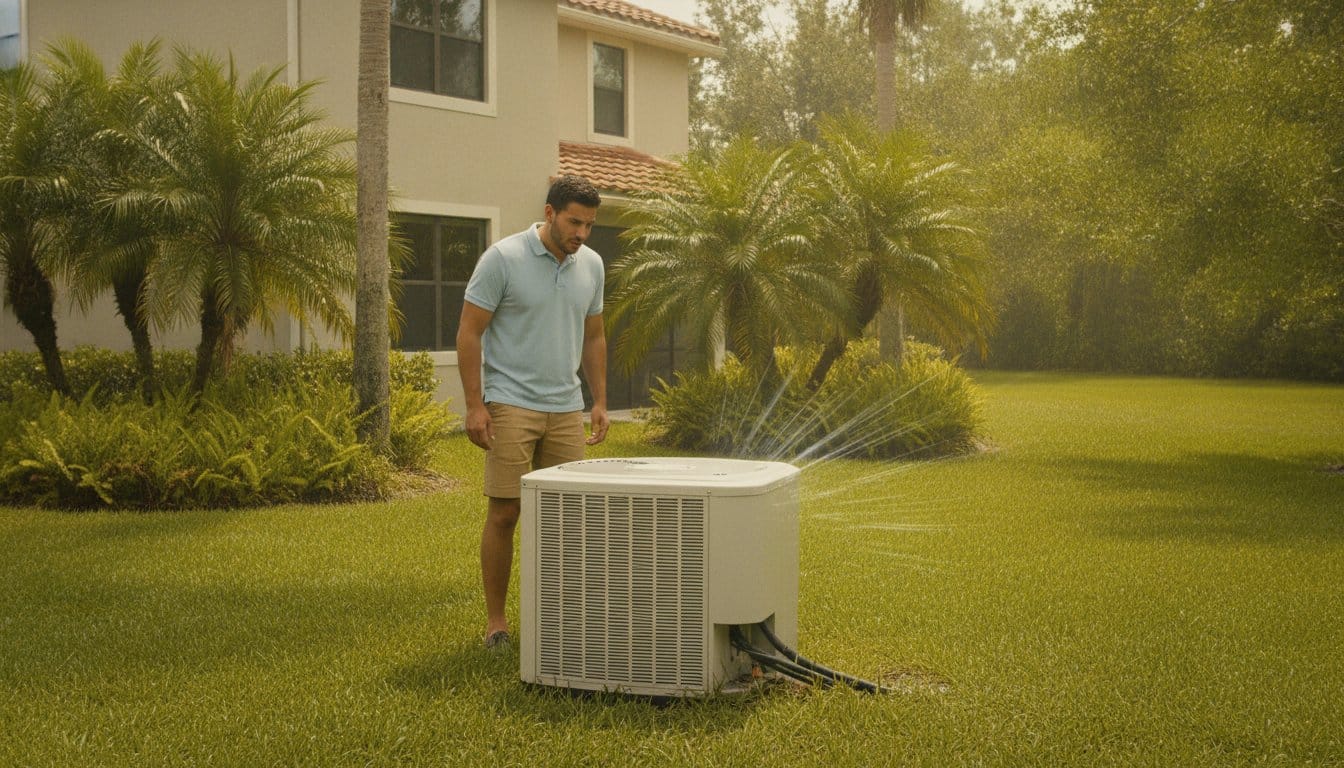
You are finally settling in for a quiet evening when a persistent metallic “clack-clack-clack” starts echoing through your vents. In the Central Florida heat, that sound is more than just an annoyance. It feels like a countdown to a total system failure. You are likely worried that your ac making a rattling noise signals a massive repair bill or, even worse, that you will soon be stuck without cooling in the 95 degree humidity.
We understand that any unexpected sound from your HVAC system causes immediate stress. RMI Heating and Air Conditioning has helped homeowners navigate these frustrations with clear, professional guidance and dependable service. This guide will help you identify the source of that rattle and explain when a simple fix can prevent a major cooling emergency. We will explore common culprits like loose hardware and failing fan motors so you can keep your home comfortable, ensure your system is safe, and avoid the high cost of a full system replacement.
Key Takeaways
- Learn how to distinguish between external rattles in the condenser and internal sounds originating from the air handler.
- Discover why Central Florida’s high humidity and heavy workloads often result in an ac making a rattling noise that requires prompt attention.
- Use our diagnostic framework to determine if your noise is a simple loose screw or a serious mechanical failure requiring professional help.
- Follow safe troubleshooting steps to clear debris and power down your system before a minor vibration turns into a major repair.
- Understand how professional technicians use fully stocked service vehicles to resolve rattles quickly and restore your home’s peace of mind.
Why Your AC Is Making a Rattling Noise (And Why Florida Homeowners Can’t Ignore It)
An ac making a rattling noise is rarely a “normal” part of operation. In the world of Heating, ventilation, and air conditioning (HVAC), a rattle is a physical distress signal. It usually indicates a mechanical vibration or a component that has worked its way loose over time. While the sound might start as a faint rhythmic tapping, it signals that metal is hitting metal or a part is no longer secured in its designated housing.
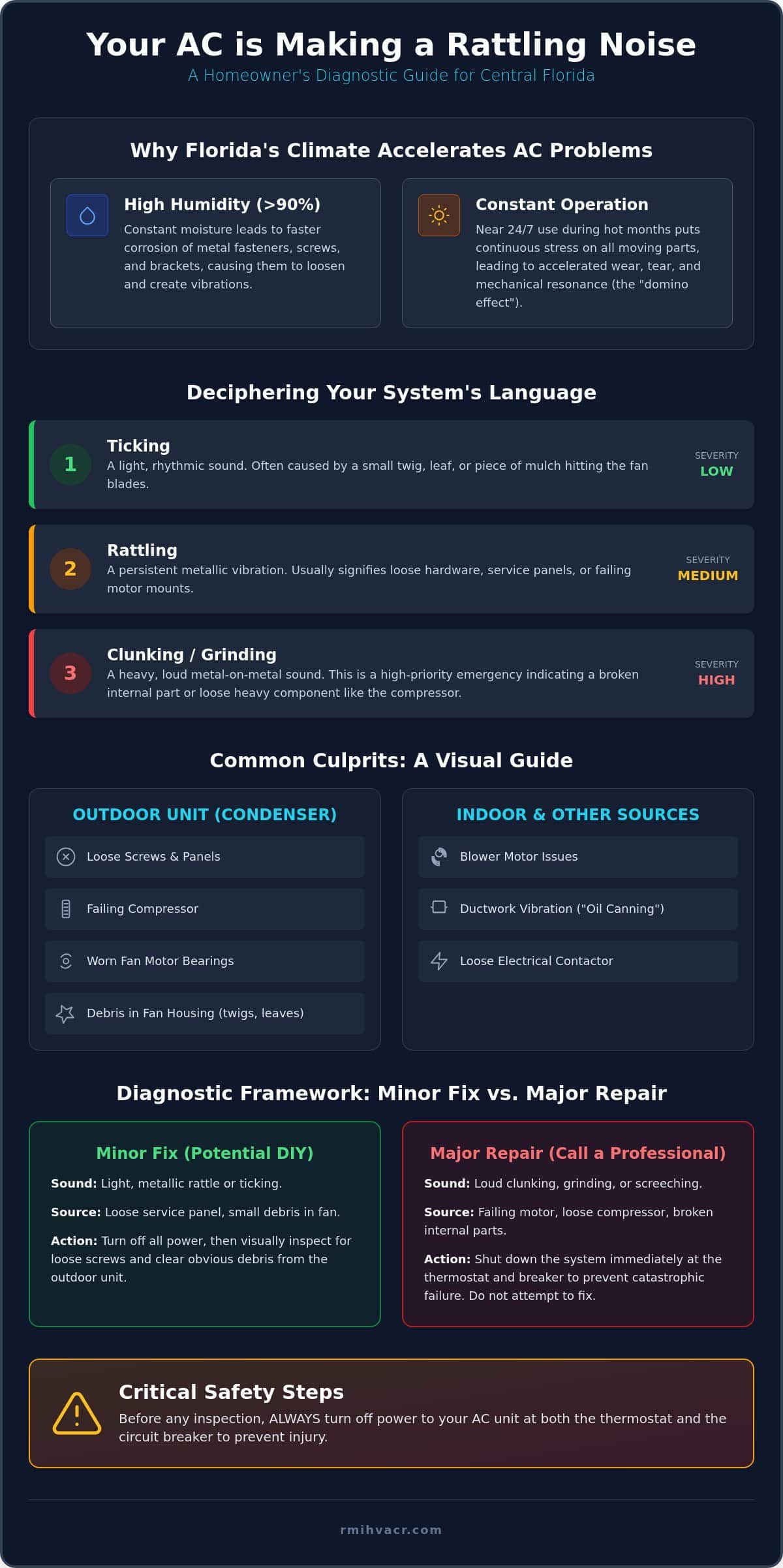
Central Florida homeowners face a unique set of challenges that accelerate these issues. Our region often sees humidity levels above 90%, paired with temperatures that keep cooling systems running almost 24/7. This constant operation means your system’s internal parts are under nearly continuous stress. High humidity can also lead to faster corrosion of small fasteners and brackets. When a screw rusts or a bracket weakens, the non-stop vibration of the blower motor or compressor quickly turns a minor wobble into a loud, persistent rattle.
Ignoring a small rattle in June is a gamble that rarely pays off by August. In the peak of the Florida summer, your system must work its hardest to maintain indoor comfort. A loose fan blade that rattles today can become a detached projectile tomorrow, potentially destroying the entire outdoor coil or motor housing. Beyond the risk of a total system meltdown, there is a significant psychological cost. Living with the constant worry that your AC will fail during a heatwave creates unnecessary home stress. Addressing a repair early is the most dependable way to protect your budget and your peace of mind.
The Science of Vibration and Wear
Your air conditioner is subject to intense thermal expansion and contraction. As parts heat up during a cycle and cool down afterward, metal fasteners can microscopicly shift. Over thousands of cycles, this movement loosens screws and bolts. Once one fastener loses its grip, the increased vibration puts more pressure on the remaining hardware. This creates a “domino effect” where one loose panel eventually leads to the failure of more sensitive internal components. Mechanical resonance occurs when a system oscillates at greater amplitude at specific frequencies, often turning a tiny vibration into a loud, destructive rattle. This necessity for precise mounting extends to other areas of life; for instance, high-quality car audio installation Boyne City MI relies on these same principles of vibration control to ensure a rattle-free experience in a mobile environment.
Rattle vs. Grinding: Deciphering Your System’s Language
Understanding the specific sound your system makes helps determine the urgency of the situation. A light, metallic rattle often points to a loose service panel or a small piece of debris in the fan housing. However, you should never confuse a rattle with grinding or clunking. Grinding usually suggests that motor bearings have failed, while heavy clunking often indicates a major component, like the compressor, has come off its mounts.
- Ticking: Often caused by a small twig or piece of mulch hitting the fan blades.
- Rattling: Usually signifies loose hardware, panels, or failing motor mounts.
- Clunking: A high-priority emergency indicating a broken internal part or loose heavy component.
If the noise is loud enough to be heard across the yard or through closed doors, it is time to act. If you hear heavy metal-on-metal clunking, immediately shut off the system at the thermostat to prevent further internal destruction. Since 1999, RMI Heating and Air Conditioning has seen how a few minutes of “pushing through the noise” can turn a simple tightening job into a full system replacement.
Common Culprits: Identifying the Source of the Rattle
Pinpointing the location of an ac making a rattling noise is the first step toward a solution. Most noises originate in the outdoor condenser because it is exposed to the elements. However, internal issues in the air handler or even loose electrical components can mimic these sounds. If you want to troubleshoot your air conditioner effectively, you must listen closely to the rhythm and location of the sound. Identifying the source early can be the difference between a simple tightening job and a complex repair.
Sometimes the noise isn’t actually coming from the AC unit itself. Ductwork vibrations, often called “oil canning,” occur when pressure changes cause metal ducts to pop or rattle against floor joists. Additionally, electrical components like a loose contactor can chatter. This rapid clicking or rattling is an electrical warning sign. It requires immediate attention to avoid a total system lockout during a humid Florida afternoon. RMI Heating and Air Conditioning has helped homeowners resolve these complex electrical and mechanical issues across Central Florida since 1999.
The Outdoor Unit: Debris, Fans, and the Florida Elements
Central Florida’s environment is notoriously tough on outdoor hardware. Heavy afternoon thunderstorms often wash gravel, oak tassels, and small palm frond fragments into the fan assembly. When the fan spins, these items strike the blades and create a rapid fire rattling sound. Over years of high load operation during our long summers, compressor bolts can also vibrate loose. This leads to a heavy, metallic rattle that vibrates through the entire casing. If a fan blade is bent from impact or fatigue, it creates a rhythmic “helicopter” sound that indicates the motor is under extreme stress.
The Indoor Unit: Blowers, Bearings, and Panels
Inside your home, the blower wheel is the primary source of movement. If the wheel housing becomes loose, you will hear a persistent thumping or rattling every time the air kicks on. Sometimes the issue is as simple as an unsecured air filter. High velocity air can cause a thin filter to flap against the frame, which sounds surprisingly like a mechanical failure. More serious rattles often transition into high pitched squeals as motor bearings wear out. Our technicians often find that catching these bearing issues early prevents a total blower motor seizure. If the source of the noise remains a mystery, scheduling a professional air conditioning maintenance tune-up can silence the rattle before it leads to a breakdown.
Is It a Minor Fix or a Major Repair? A Diagnostic Framework
When you hear your ac making a rattling noise, your first instinct is likely to worry about the cost. However, not every sound requires a complete system overhaul. To help you triage the situation, we use a simple severity scale. A low severity rattle is intermittent and sounds like a light “tink.” This often indicates a loose screw or a small twig. Medium severity rattles are constant and cause visible vibration in the unit’s cabinet. High severity rattles are loud, metallic, and occur specifically when the compressor tries to start. These are the sounds that demand immediate attention to prevent a total shutdown.
Visual cues often accompany these sounds. If you see the outdoor unit physically “jumping” or shaking when it kicks on, the issue is likely mechanical. Check for oil spots around the base of the unit, as this can signal a refrigerant leak caused by vibrating lines rubbing together. Don’t ignore your monthly energy bill either. A rattling system is an inefficient system. When parts are loose or misaligned, the motor must work harder to overcome friction. This increased resistance leads to higher amperage draws and a noticeable spike in your Central Florida utility costs.
Loose Parts and Panels: The Quick Fixes
Many rattles are simply the result of the high vibration environment inside an HVAC cabinet. Check the exterior service panels first. If you see a missing screw or a loose corner, the metal will flap against the frame and create a loud rattle. You can often solve this in five minutes with a standard screwdriver. Another common issue is the refrigerant lines. These copper pipes can vibrate against the exterior wall or the unit’s own casing. If you see them touching, a simple foam spacer or a gentle adjustment can silence the noise immediately. These minor vibrations are annoying but rarely signal a terminal problem.
Mechanical Failure Signs: Compressor and Motor Issues
More serious noises require a professional eye. The “hard start” rattle is a classic warning sign. This occurs when the compressor struggles to turn over, often due to a failing capacitor or internal wear. You might hear a loud “thunk” followed by a rapid rattle that eventually fades. This puts immense strain on your electrical components. Another high priority issue is an internal spring failure. Your compressor sits on internal mounts designed to absorb vibration. If one breaks, the compressor will rattle violently against its own outer shell. If you hear heavy, metallic clanging, contact us for an AC Repair Orlando homeowners have trusted since 1999. Our fully stocked trucks are prepared to diagnose these mechanical failures on the first visit, ensuring your home stays cool through the worst of the Florida heat.
Safe Troubleshooting Steps for Central Florida Homeowners
Before you touch any part of your system, safety is the absolute priority. Investigating an ac making a rattling noise requires a methodical approach to avoid injury or further equipment damage. Start by powering down your system at the thermostat. After that, locate the outdoor disconnect box, which is usually a small metal box mounted on the wall near your condenser. Open it and pull the handle or flip the switch to the “off” position. This two step process ensures that the fan or compressor won’t suddenly kick on while you are performing your inspection.
Step 2 focuses on the “Florida Jungle” surrounding your unit. Our tropical climate allows vegetation to grow at an incredible rate, often encroaching on HVAC equipment. Clear away any palm fronds, vines, or tall grass within a two foot radius of the condenser. Use a flashlight to look through the top fan grate. You might see oak tassels, small sticks, or mulch that has been sucked into the cabinet. These items are common culprits for a rattling sound as they hit the spinning fan blades. If you can reach them with a pair of long needle nose pliers without removing the grate, do so carefully.
Once the exterior is clear, move inside to check your intake vents and air filters. A filter that has been sucked out of its track will vibrate against the metal housing. This creates a persistent ac making a rattling noise that sounds more serious than it actually is. Ensure the filter is the correct size and is seated firmly against the frame. If the filter is heavily clogged with dust and pet hair, replace it immediately. Restricted airflow causes the blower motor to work harder, which can lead to internal vibrations and mechanical stress.
Visual Inspections and Simple Maintenance
Visual checks can reveal hidden issues like “ice up” on your refrigerant lines. If you see white frost on the copper pipes, it indicates a serious airflow or refrigerant problem. As ice chunks break off, they can hit the blower wheel and cause strange vibrating sounds. Regular AC Maintenance is the best way to prevent these issues. Our technicians, who have served Central Florida since 1999, use these visits to tighten every fastener and clean the coils, ensuring your system remains silent and efficient.
When to Stop: Avoiding Costly DIY Mistakes
Knowing when to put the tools away is just as important as knowing how to use them. High voltage capacitors store a lethal electrical charge even after the power is disconnected. Never open the electrical service panel on your unit. Furthermore, you should never try to straighten a bent fan blade yourself. Fan blades are balanced at the factory; a slight manual adjustment will throw the motor out of alignment and lead to a total motor failure. If the rattle is accompanied by a hissing sound or a sweet, chemical smell, you likely have a refrigerant leak. These issues require EPA certified handling and professional diagnostic tools to resolve safely.
If your troubleshooting steps haven’t silenced the noise, don’t wait for a total breakdown in the Florida heat. Schedule a professional air conditioning repair with our experienced team today. We arrive in fully stocked trucks to ensure your peace of mind is restored on the very first visit.
Professional Solutions: How Roberts Mechanical Restores Your Peace of Mind
When an ac making a rattling noise interrupts your evening, you need more than a temporary patch. You need a solution that addresses the root cause and ensures your home stays cool during the most intense heatwaves. Roberts Mechanical Incorporated (RMI) has served Central Florida since 1999. We have spent over two decades refining our repair processes to meet the specific demands of our tropical climate. Our approach combines technical excellence with a deep commitment to customer comfort and transparency.
Our “Fully Stocked Truck” philosophy is a cornerstone of our service. We know that your time is valuable. Many service providers arrive only to tell you they need to order a part. We do things differently. Our service vehicles carry an extensive inventory of high quality components. This preparedness allows us to resolve most rattling issues on the very first visit. Whether the problem is a failing motor, a loose contactor, or a broken mounting bracket, we arrive ready to work. We prioritize getting the job done right the first time so you can return to your normal routine without delay.
Florida heat does not follow standard business hours. A system failure at 2:00 AM in July is a true emergency. That is why we maintain 24/7 emergency response capabilities. You can depend on our team to answer the call whenever a crisis strikes. We provide a sense of security through our RMI guarantee. This includes professional conduct, clear communication regarding your repair options, and a commitment to technical precision. We don’t just fix the noise; we ensure your entire system is operating at peak efficiency.
Our Preparedness for Orlando’s Climate
Orlando’s unique environment of high humidity and afternoon storms puts immense strain on HVAC hardware. We specifically stock our trucks with the parts most likely to fail in these conditions, such as heavy duty blower motors and corrosion resistant contactors. Our goal is to restore your comfort in hours, not days. We understand the physical and psychological toll of a hot home. If you are facing a cooling crisis, our Emergency AC Repair team is standing by to provide immediate, expert assistance.
Long-Term Reliability Through Proactive Care
The most effective way to handle an ac making a rattling noise is to prevent the vibration from starting in the first place. Regular professional tune-ups allow our technicians to find and tighten loose fasteners before they cause mechanical damage. We offer custom maintenance plans designed for the high demand cycles typical of Central Florida homes. These proactive visits extend the life of your equipment and keep your energy bills predictable. Don’t let a small rattle turn into a total system failure. Contact RMI to silence your AC rattle today and experience the reliability that comes with 25 years of local expertise.
Restore Your Home’s Quiet and Comfort
An ac making a rattling noise is more than a minor distraction. It is a physical warning that your system is struggling against the relentless Central Florida humidity. You now know how to distinguish between a simple loose panel and a serious mechanical failure. Taking action today prevents a small vibration from becoming a total system meltdown in the peak of summer. We understand how stressful HVAC issues can be, and we are committed to providing the technical excellence you deserve.
Our team has supported Orlando families since 1999 with reliable, expert service. We arrive in fully stocked service vehicles to ensure most repairs happen in a single visit. Whether you need a quick adjustment or an emergency motor replacement, we are available 24/7 to keep your home safe and cool. Don’t wait for the noise to get louder or for your system to stop entirely. A proactive diagnostic can save you from an expensive replacement and ensure your family stays comfortable all season long.
Schedule your professional AC diagnostic with RMI today and regain your peace of mind. We are ready to help you silence the rattle and protect your comfort.
Frequently Asked Questions
Is it safe to run my AC if it is making a rattling noise?
It is generally not safe to continue running your system if you hear a loud or metallic rattle. Operating an ac making a rattling noise can turn a simple loose fastener into a catastrophic failure, such as a shattered fan blade or a seized motor. If the sound is heavy or rhythmic, shut the power off at the thermostat to prevent further internal damage until a technician can inspect it.
Can a dirty air filter cause my AC to rattle?
Yes, a clogged air filter is a frequent cause of internal rattling sounds. When a filter is heavily restricted by dust and debris, the blower motor creates a powerful vacuum effect that can pull the filter partially out of its track. This causes the filter to flap rapidly against the metal housing, which creates a persistent rattle inside your air handler.
Why does my AC rattle only when it first turns on?
This usually indicates a “hard start” issue or weakened compressor mounts. The moment your air conditioner starts is when it experiences the highest level of torque and physical vibration. If the compressor is struggling to kick on or the internal springs have failed, you will hear a sharp rattle that often settles once the unit reaches its normal operating speed.
How much does it typically cost to fix a rattling AC in Orlando?
Repair costs in the Orlando area depend on whether the fix is a simple adjustment or a major part replacement. Minor issues like clearing debris or tightening cabinet screws are the most affordable. Moderate repairs, such as replacing a fan motor or a capacitor, fall into a mid-range category, while major mechanical failures like a compressor replacement are the most significant. A professional diagnostic is required to provide an accurate quote for your specific system.
What happens if a piece of debris is stuck in my outdoor unit?
Debris like oak tassels, mulch, or small sticks can cause immediate mechanical stress. As these items strike the spinning fan blades, they can bend the metal or throw the motor out of balance. This extra strain leads to vibrating motor bearings and can eventually cause the fan motor to burn out entirely, which is a common problem during the heavy growth seasons in Central Florida.
Could a rattling noise mean I need a completely new AC unit?
Not necessarily, but it depends on the age and condition of your system. Many rattles are caused by replaceable parts like blower wheels or service panels. However, if your unit is more than 10 or 12 years old and the rattle is coming from an internal compressor failure, a full system replacement is often the most cost-effective and energy-efficient way to restore long-term reliability.
Why is my AC making a rattling noise inside the house but not outside?
This indicates the problem is located within your indoor air handler or ductwork. Common causes include a loose blower wheel, failing motor bearings, or even ductwork that is popping due to pressure changes. Since the outdoor condenser is silent, you can narrow your focus to the components that move air through your home’s interior vents.
Does my HVAC maintenance plan cover fixing rattling noises?
Maintenance plans are designed to prevent an ac making a rattling noise by ensuring all hardware is tightened and moving parts are lubricated. While the scheduled visit includes the labor to tighten loose screws and clean debris, the cost of replacing broken parts is usually separate. Most professional plans provide a discount on the repairs needed to silence a system that has already developed a mechanical rattle.