
Heat Pump Repair in Orlando: Avoid Misdiagnoses and Verify the Root Cause
Jul 7, 2026
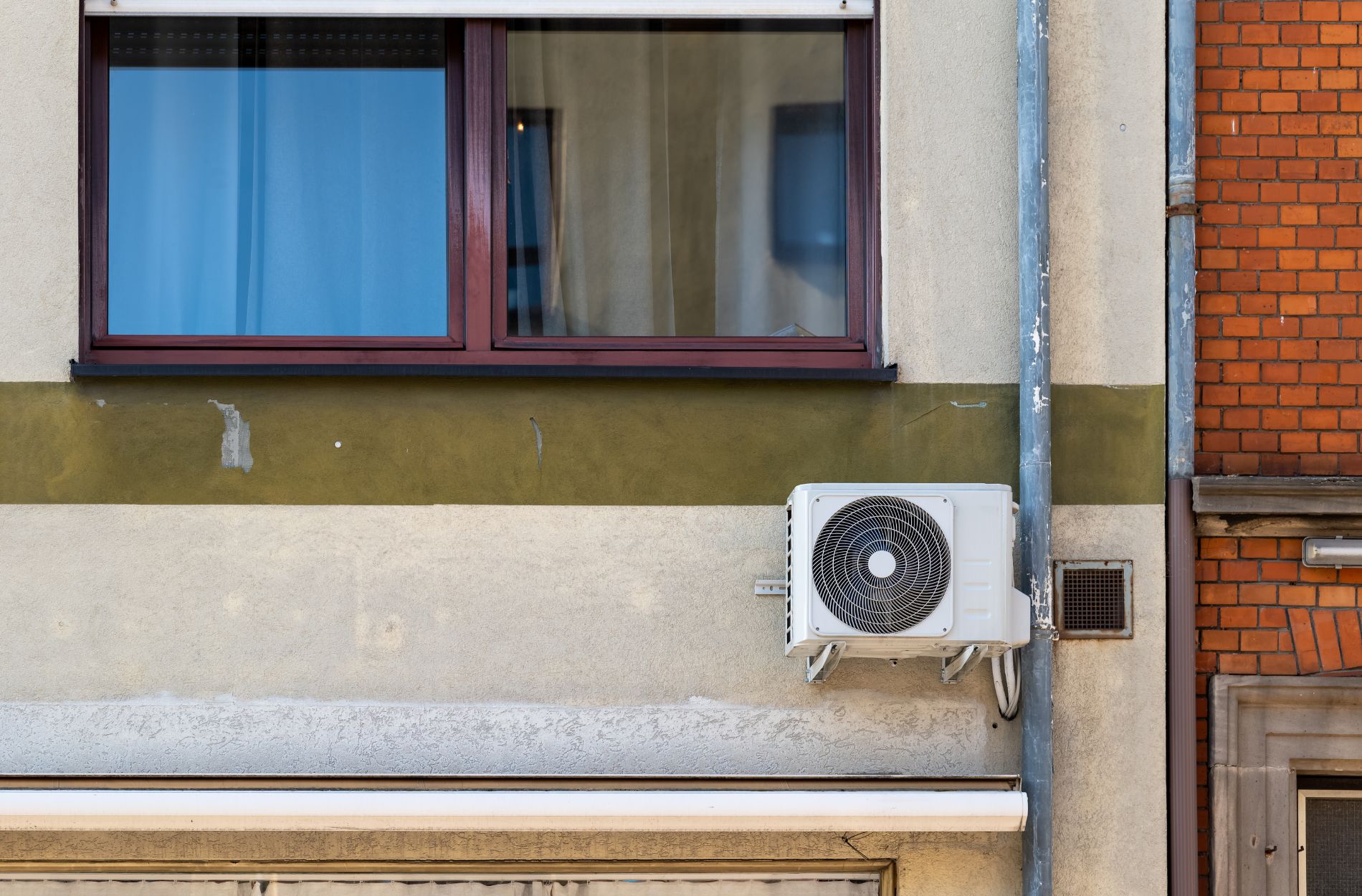
Stop Guessing and Find the Real Problem with Your Heat Pump
Heat pumps in Orlando work hard. Long hot seasons, heavy humidity, and lots of daily run time can push your system to its limits. When something goes wrong and the air from your vents feels warm or weak, it is easy to worry that a major part has failed. Many homeowners go through repair after repair without getting a clear answer. Three parts often get blamed right away: the reversing valve, the compressor, and the defrost board. These are big, important pieces, and they are not cheap to replace. The problem is that many of the same symptoms can point to any one of them, or sometimes none of them at all. We want to walk through how good techs separate symptoms from root causes so you can avoid guesswork and repeat breakdowns.Why Heat Pump Problems Get Misdiagnosed so Often
Heat pumps are more complex than a standard AC system. Instead of just cooling, they can both heat and cool. They switch the flow of refrigerant back and forth and depend on several controls to keep everything working in sync. When one thing gets off, it can confuse the whole system. Different failures can look almost the same to a homeowner. You might notice:- No cooling or very weak cooling
- Air from the vents that feels lukewarm
- Ice on the outdoor unit
- Odd or loud noises outside
- The system turning on and off a lot
- Replacing a compressor when the real problem is a control or low voltage issue
- Blaming the reversing valve when the refrigerant charge is off
- Swapping a defrost board when the real fault is a sensor or airflow problem
Reversing Valve vs. Compressor Failure
Two of the most expensive parts in a heat pump are the compressor and the reversing valve. Knowing how they behave helps explain why they get mixed up. The compressor is the heart of the system. It pumps and pressurizes the refrigerant so the system can move heat. If the compressor is not doing its job, the whole system struggles. The reversing valve is the traffic cop for refrigerant flow. It changes the direction of the refrigerant so the system can switch between heating and cooling modes. They can share a lot of the same symptoms:- System runs but does not cool or heat well
- Vents blow air that never reaches the set temperature
- Higher energy use without better comfort
- Short cycling or long run times with poor results
- Outdoor breaker tripping when the unit tries to start
- Very loud or unusual sounds from the outdoor unit
- Compressor not starting at all, even though the fan runs
- Extremely high or very low refrigerant pressures during testing
- System stuck in one mode even when the thermostat changes
- Little or no change in line temperatures when switching between heat and cool
- The valve not shifting when it gets the proper signal
- One set of lines hot or cold when they should be the opposite
Defrost Board Confusion and Ice on the Outdoor Unit
The defrost board is the brain that runs the outdoor defrost cycle. Its job is to watch the outdoor coil and, when needed, switch the system into a mode that melts ice off the coil during heating operation. In a warm climate, that usually shows up on cooler, damp mornings when the outdoor coil is colder than the air. Some frost on the outdoor unit can be normal. You may see:- A light coating of frost that clears on its own
- Brief clouds of steam during a defrost cycle
- Water dripping as frost melts away
- Solid, thick ice covering the coil or fan area
- The unit spending a lot of time in defrost
- Poor heating performance at the same time
- A bad or loose defrost sensor
- A dirty outdoor coil that cannot exchange heat well
- Low refrigerant charge causing the coil to run too cold
- A weak outdoor fan motor that does not move enough air
- Check defrost sensor readings
- Confirm the board is getting the right inputs
- Test output signals to the fan and reversing valve
- Use forced defrost modes if available to watch behavior
How Good Technicians Confirm the Real Problem
Accurate heat pump repair in Orlando comes from a step-by-step process, not guessing. A trained technician will usually:- Confirm thermostat settings and power to the indoor and outdoor units
- Inspect air filters, indoor coil, and duct airflow
- Check refrigerant pressures, temperatures, and superheat or subcooling
- Verify control signals to the compressor, reversing valve, and defrost board
- Electrical resistance of the windings
- Insulation readings to check for shorts
- Current draw compared with manufacturer data
- Start-up behavior and pressure differences while running
- Confirm correct voltage at the valve coil
- Switch between modes and feel line temperature changes
- Listen and feel for the valve shifting position
- Compare sensor readings to expected values
- Confirm defrost timing and logic
- Watch output signals to fan, compressor, and reversing valve during a forced defrost
Smart Steps Homeowners Can Take Before the Tech Arrives
There are a few simple checks you can do that are safe and helpful while you wait for service. Quick checks include:- Confirm the thermostat is on the right mode and set below the room temperature for cooling
- Replace thermostat batteries if it has them
- Check your air filter and replace it if it is dirty
- Make sure supply vents and return grilles are open and not blocked
- Clear leaves, grass, and clutter away from the outdoor unit, with at least two feet of open space
- Do not open electrical panels or touch wiring
- Do not try to force the reversing valve if you find it
- Do not attempt to add refrigerant or connect gauges
- When the problem started and if it happens in cool mode, heat mode, or both
- Any odd sounds, such as buzzing, grinding, or loud humming
- If breakers have tripped at the panel
- Whether you noticed ice, steam, or water around the outdoor unit and what the weather was like