
What Happens During Emergency HVAC Service in Orlando Homes
Jun 30, 2026
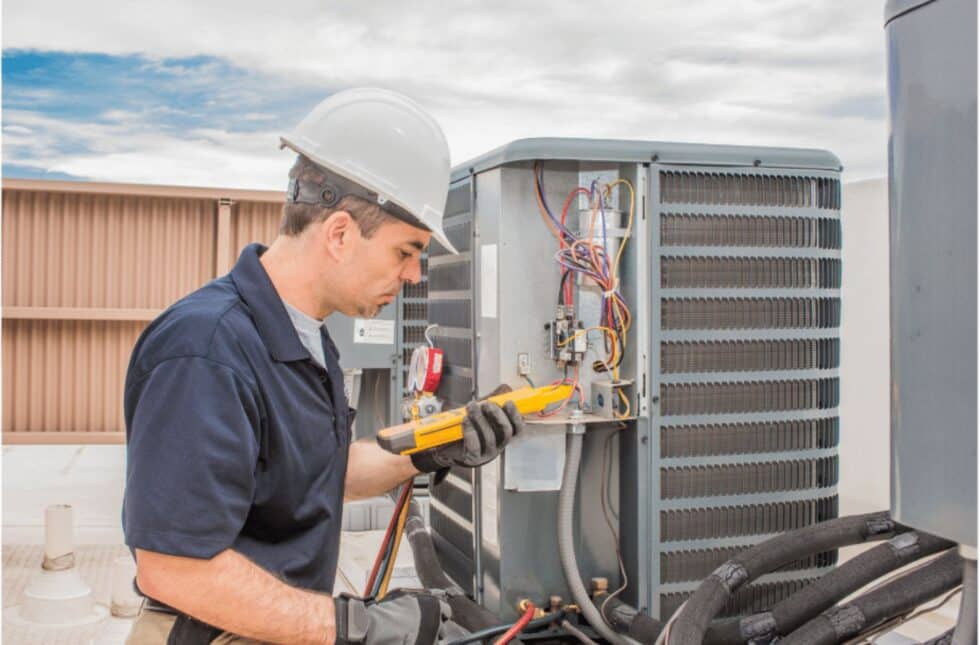
Air conditioning trouble in Orlando is more than annoying; it can be serious. When your system quits in the middle of a hot, humid evening, you need to know what will happen next and how fast help can get your home comfortable again. That is exactly what an emergency HVAC visit is for.
We want you to feel calmer the next time your AC starts acting up, even if it happens at midnight or during a holiday weekend. Here is what emergency HVAC in Orlando usually looks like from the first phone call to the moment cool air is flowing again.
What Orlando Homeowners Can Expect From Emergency HVAC Visits
An HVAC problem becomes an emergency when it affects safety, comfort, or your home itself. In Orlando homes, common emergencies include:- No cooling at all during extreme heat
- System blowing warm air when the thermostat is set to cool
- Burning or electrical smells from vents or the unit
- Water leaks around the indoor unit or on the ceiling
- The system refusing to turn on or tripping the breaker
- Small children and older adults
- People with breathing or heart issues
- Pets that cannot cool themselves well
First Call for Help: How Emergency HVAC in Orlando Begins
When you call for emergency HVAC help, the process starts with a focused conversation. The dispatcher will usually ask what symptoms you are noticing (no cooling, warm air, strange sounds), how old the system is (if you know), and when the problem started, whether it was sudden or has been getting worse over time. They may also ask if you have tried resetting the breaker or changing thermostat settings, and whether you are noticing any burning smells, smoke, or water leaks. These details help us decide how urgent your situation is. High-priority calls often include:- No cooling during extreme heat, especially with kids or seniors at home
- Any sign of electrical danger, sparks, smoke, or strong burning odors
- Water leaks that can damage ceilings, walls, or flooring
On-Site Assessment: Your Technician’s First 30 Minutes
Once the technician arrives, the first minutes are about safety, clarity, and quick checks. You can expect a brief introduction and confirmation of the problem you reported, along with a fast safety scan around the equipment area. The technician will also do basic checks of the thermostat settings and indoor temperature to establish a starting point. From there, the technician will usually walk through the home to feel airflow at vents, listen for odd noises at the indoor and outdoor units, and look for visible leaks, ice, or signs of overheating Early diagnostic steps often include:- Checking breakers, disconnects, and power to the system
- Verifying thermostat operation and settings
- Inspecting the air filter for clogs
- Looking over the outdoor condenser and indoor air handler
- Confirming system type and approximate age
Deep Diagnostics: Finding the Real Source of the Breakdown
Once basic safety is confirmed, it is time for deeper testing. On an emergency visit, this can include:- Measuring refrigerant pressures
- Testing electrical parts like capacitors, contactors, and fuses
- Checking blower motors and outdoor fan operation
- Inspecting drain lines and pans for clogs and overflow
- Looking closely at coils for heavy dirt or damage
Fast Fixes Versus Temporary Repairs in an Orlando Heat Wave
Once the cause is clear, you will talk about how to get the home cool again as quickly and safely as possible. There are two main paths. Permanent repairs can include:- Replacing bad electrical parts, such as capacitors or contactors
- Cleaning dirty coils and clearing blocked drain lines
- Fixing wiring issues or loose connections
- Replacing failing motors or other key components
After the Emergency: Protecting Your Orlando AC All Summer
Before the technician leaves, they will confirm that your system is running as it should. That usually includes:- Checking supply and return air temperatures
- Confirming normal system cycling
- Making sure drain lines are flowing and no water is standing
- Reviewing any warranty or service information related to the visit
- Keep thermostat settings steady instead of big swings
- Change air filters more often during heavy use
- Keep plants, leaves, and clutter away from the outdoor unit
- Pay attention if rooms start feeling warmer or run times get much longer