
Humidity Headaches and AC Repair in Orlando Homes
Jun 23, 2026
Orlando Humidity Problems Your AC Cannot Ignore
High humidity in an Orlando home can make a normal day feel miserable. The thermostat might say 73 degrees, but the air still feels sticky and heavy. Clothes never quite feel dry, and the house has a faint musty smell that will not go away. That is not just annoying. It can affect sleep, breathing, and even your home itself. In Central Florida, many people assume the answer is simple: the AC must be broken. Sometimes that is true. Other times, the real problem is how the system is handling moisture in the air. In this article, we will talk through how humidity and AC performance connect, how to spot humidity trouble, and what can be done to restore comfort and protect your home from damage.How Orlando Humidity Overwhelms Your AC System
Orlando does not just get hot, it gets humid. Afternoon thunderstorms are common, and the air often feels damp from early morning through late at night. Your AC has to work for long stretches to pull heat and moisture out of your home. A typical AC system is designed to do two things at the same time:- Lower the air temperature
- Remove some moisture as the air passes over cold evaporator coils
- The system runs too short to pull enough water from the air
- Coils get dirty and lose their ability to cool and dehumidify
- The compressor and blower work harder, adding wear and tear
- Energy use rises while comfort actually goes down
Signs Humidity Is Hurting Your Comfort and Your AC
Humidity problems often show up in how your home feels and smells before you see clear AC trouble. Your body is a pretty good sensor. When the air is too moist, sweat does not evaporate as easily, so you feel hotter and more tired. Common comfort and health red flags include:- Air that feels clammy even with the thermostat set around 72 to 75 degrees
- A musty or “wet” smell when the AC cycles on
- Trouble sleeping because the air feels heavy
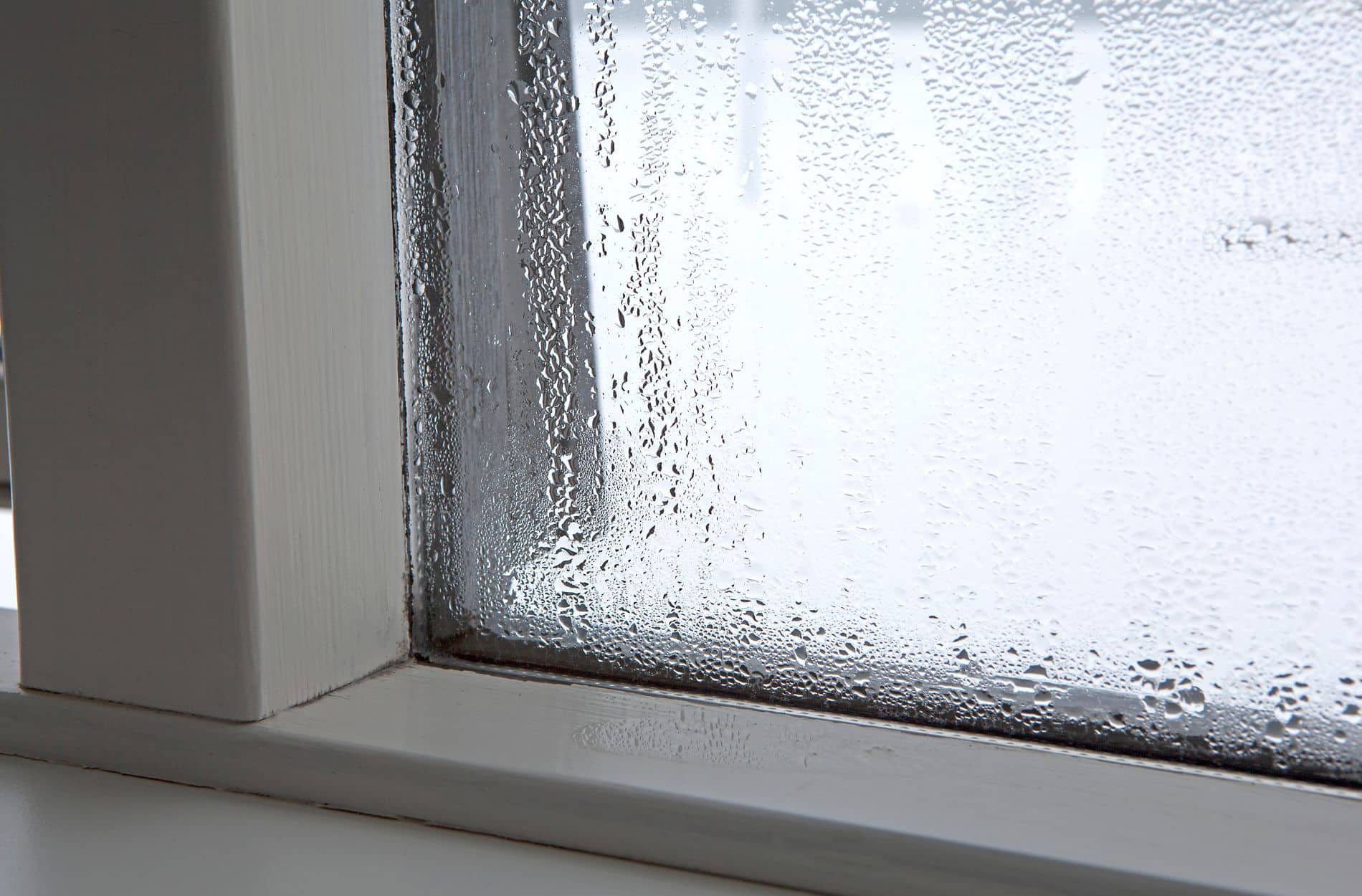
- Condensation on windows or glass doors
- Allergy or asthma symptoms that seem worse indoors
- The unit runs almost nonstop but rooms still feel warm and sticky
- The system turns on and off a lot in short bursts
- Some rooms feel much warmer or muggier than others
- Summer energy bills are higher than you would expect
- You see moisture on vents or ductwork
- Peeling paint or bubbling on walls and ceilings
- Interior doors that stick or swell
- Mold or mildew on walls, around vents, or near baseboards
- Dark or black spots near supply registers
Smart Fixes to Tame Humidity Before It Breaks Your AC
The good news is, there are smart steps that can help control humidity and protect your AC. The first and most important one is professional maintenance. In a climate like Orlando, AC systems need consistent care. A thorough tune-up should include things like:- Cleaning indoor and outdoor coils so they can cool and dehumidify properly
- Checking refrigerant levels so the system can reach the right temperatures
- Clearing condensate drain lines so moisture can leave your home
- Verifying airflow and blower speeds so air moves across the coils at the right rate
- Using bathroom and kitchen exhaust fans during showers and cooking
- Keeping lids on aquariums and being mindful of many indoor plants
- Reducing long, hot showers when the air already feels damp
- Keeping doors and windows closed while the AC is running
When Humidity Issues Mean It’s Time for AC Repair
Some humidity problems are tied directly to AC issues that need professional repair. While cleaning filters and adjusting simple settings can help a little, ongoing humidity trouble usually calls for an expert. Things a homeowner might check on their own are limited:- Make sure supply and return vents are not blocked by furniture
- Check that the air filter is clean and correctly installed
- Confirm that the thermostat is set to “cool” with the fan on “auto”
- Systems that are incorrectly sized for the home
- Blower motors that are failing or set to the wrong speed
- Low refrigerant levels that keep coils from getting cold enough
- Dirty or frozen evaporator coils that choke airflow
- Clogged condensate drains that let water sit where it should not
- Leaking or poorly insulated ductwork pulling humid air from attics or other spaces