
What Orlando Homeowners Should Know About AC Compressor Replacement
Jun 16, 2026
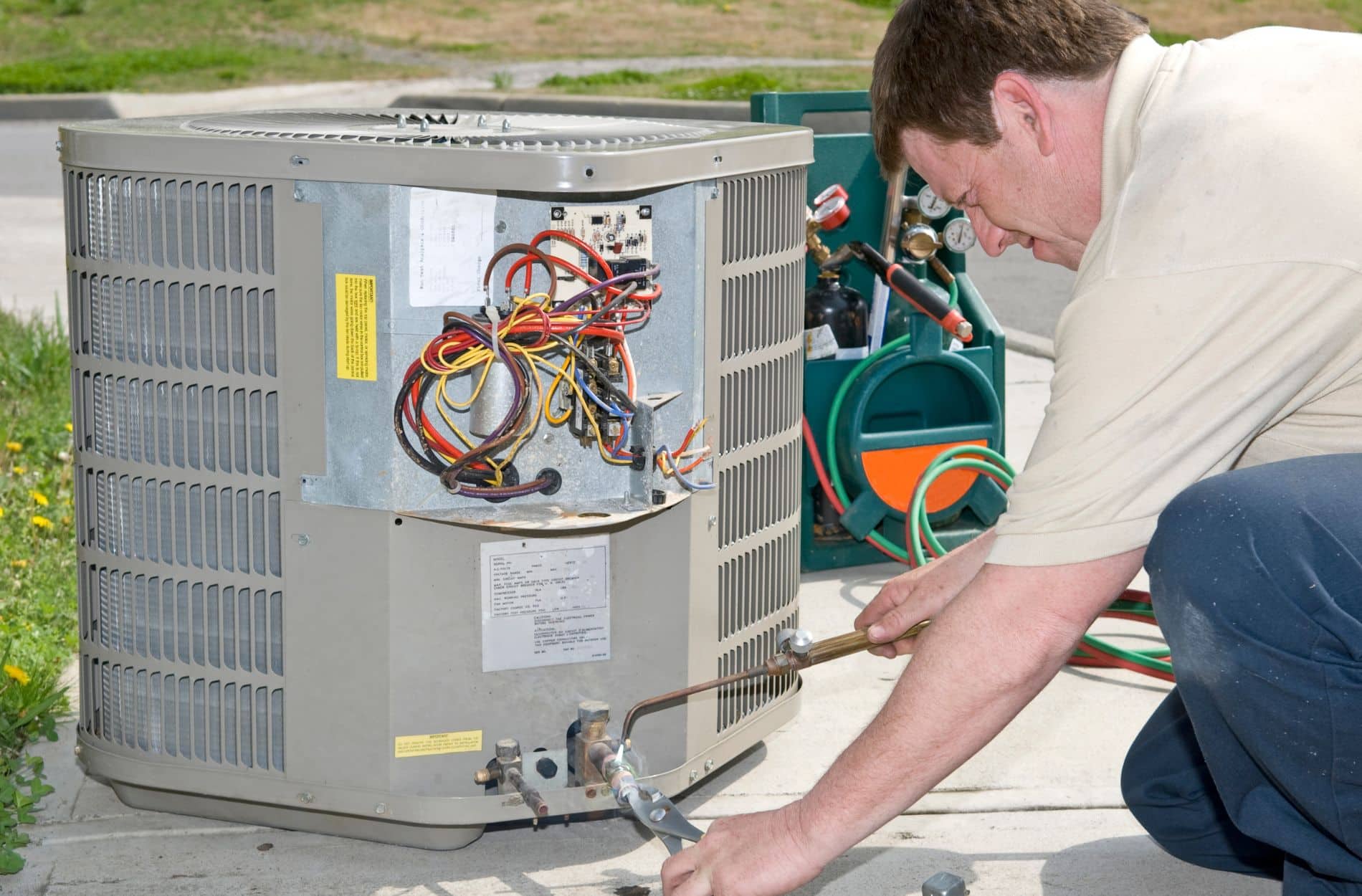
A working AC compressor is what stands between a comfortable home and a hot, sticky afternoon in Orlando. When it fails, the heat and humidity indoors can build up fast, turning a simple problem into a real emergency. Knowing how your compressor works, what warning signs to watch for, and when replacement makes sense can help you protect your home and your peace of mind.
In this article, we will walk through how the compressor fits into your AC system, why Orlando’s climate is so hard on it, how to spot trouble early, and what usually happens during AC compressor replacement in Orlando. We will also share simple habits that help your new compressor last longer and run more efficiently.
Avoid Orlando Heat Emergencies with a Healthy AC System
On a typical June afternoon in Orlando, the sun is high, the air feels heavy, and the heat index climbs in a hurry. If your AC suddenly stops cooling in that kind of weather, the house warms up fast. For kids, older adults, and pets, that is more than just uncomfortable; it can be unsafe. The compressor is often called the heart of the AC system because it keeps the refrigerant moving. When the compressor cannot do its job, your system cannot carry heat out of your home and the cool air stops. In our area, that can lead to:- Rising indoor temperatures and sticky, damp air
- Strain on indoor air quality as humidity creeps up
- Risk of being without cooling during the hottest part of the day
How Your AC Compressor Works in Orlando’s Climate
The compressor sits in the outdoor unit. Its main job is simple to explain: it takes cool, low-pressure refrigerant gas from inside your home, squeezes it into a high-pressure, high-temperature gas, and pushes it through the outdoor coil. Outside, that hot gas releases heat into the air, cools down and then travels back inside to absorb more heat from your home. In Central Florida, the compressor has a hard life because of:- Long cooling seasons with almost year-round AC use
- High humidity that makes systems run longer to pull moisture out of the air
- Frequent cycling on and off during the day as the sun and shade change
- Storms and power events that can stress electrical parts
- System sizing for long, hot seasons, not just a few warm months
- Salt air in certain areas that can speed up corrosion
- Afternoon storms, lightning, and power fluctuations that can damage motors and electronics
Signs Your Orlando AC May Need Compressor Replacement
The compressor rarely fails overnight without warning. Most of the time, it gives you clues. Some signs are clear, others are more subtle, but all of them mean it is time to have a professional check the system. Watch for performance changes like:- Warm or room-temperature air blowing from vents when the thermostat is set low
- Rooms that never quite get cool, or big differences from one room to another
- Longer run times where the AC seems to run nonstop without reaching the set temperature
- You hear loud humming, clicking, rattling, or grinding from the outdoor unit
- The outdoor fan is spinning, but the air inside still feels warm
- The unit tries to start, then shuts off quickly, or the lights dim when it kicks on
- The circuit breaker trips when the AC starts
- Sudden jumps in energy bills without a change in your habits
- Frequent service calls focused on the outdoor unit
- Repeated refrigerant “top-offs,” which can point to bigger system problems
Repair or Replace the Compressor: Making the Smart Call
When a compressor acts up, we look at the whole picture. In some cases, a repair makes sense. In others, replacement is smarter for comfort and long-term costs. Repair can be reasonable when:- The system is still fairly young, usually under 8 to 10 years
- The issue is with a capacitor, contactor, relay, or wiring
- The compressor has trouble starting but is not locked up or burned out
- The compressor is grounded, seized, or has a major internal failure
- There is severe refrigerant or contamination damage inside the system
- The AC is older and out of warranty or uses older refrigerant
- Multiple major parts are failing around the same time
What to Expect During AC Compressor Replacement in Orlando
If a technician recommends AC compressor replacement in Orlando, it helps to know what will happen next. The steps usually go like this:- Confirming the diagnosis so the compressor is clearly the failure point
- Ordering the correct compressor that matches your system
- Recovering any remaining refrigerant safely
- Removing the old compressor from the outdoor unit
- Installing the new compressor and any needed supporting parts
- Evacuating the system to remove air and moisture
- Recharging with the correct type and amount of refrigerant
- Testing pressures, temperatures, and performance
- System size and brand
- Compressor type, such as single-stage or variable-speed
- Refrigerant type, like R-410A or older refrigerants
- Condition of the indoor coil, refrigerant lines, and other components
Protect Your New Compressor From Orlando’s Summer Stress
Once you have a new compressor, you want it to last. A few simple habits go a long way toward keeping it running smoothly in our hot, humid climate. Good practices include:- Regular air filter changes to keep airflow strong
- Professional tune-ups once or twice a year
- Keeping leaves, grass, and debris away from the outdoor unit
- Responding quickly to drainage or airflow problems
- Keep indoor and outdoor coils clean
- Make sure the refrigerant charge stays within the proper range
- Control humidity with proper AC operation and settings