
Protecting Commercial Refrigeration in Altamonte Springs Heat
Jun 2, 2026
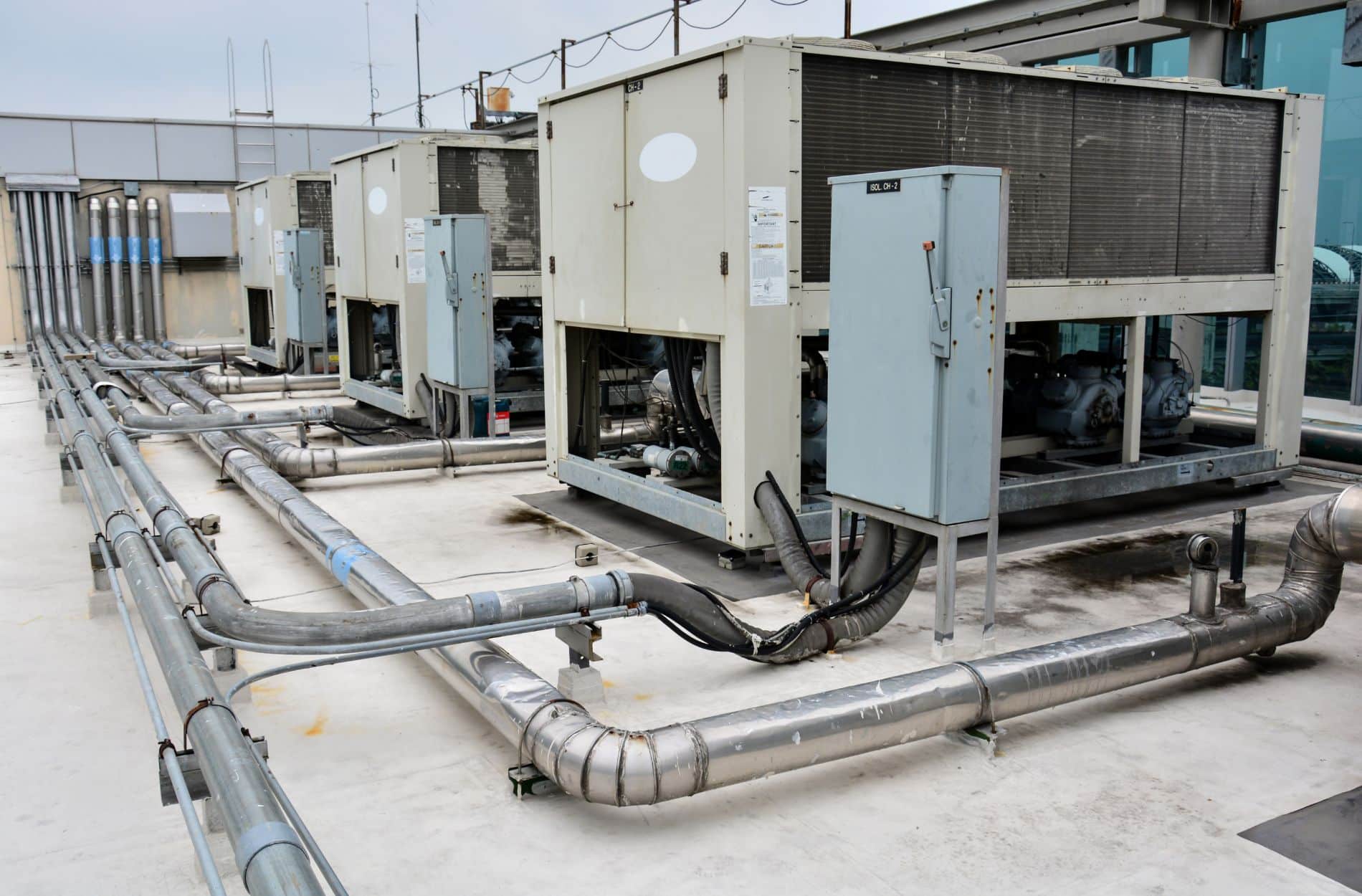
Keep Your Refrigeration Running Strong in Altamonte Springs Heat
Central Florida heat and humidity are hard on people, but they are even harder on commercial coolers, freezers, and display cases. When the air outside is hot and sticky, your refrigeration equipment has to work longer and harder just to hold safe temperatures. If it slips even a little, you can lose product, face health code problems, and watch your energy bills climb. For businesses in Altamonte Springs and the Greater Orlando area, strong commercial refrigeration is not optional. It protects food safety, customer trust, and your bottom line. In this post, we will walk through how local heat affects your cold storage, what you can do about it, and how smart design and maintenance help your equipment last longer and run more reliably.How Altamonte Springs Heat Threatens Your Cold Storage
Our local climate brings high temperatures and heavy humidity most of the year. That mix puts real strain on commercial refrigeration, especially in busy kitchens and high-traffic stores. Here is how the heat works against you:- Heat and humidity overload your system, so compressors and condensers run longer
- Warm, moist air sneaks in through open doors and worn gaskets
- High moisture leads to extra frost and ice, which blocks airflow
- Components wear out faster under constant heavy load
- Product near the door to warm up
- Some shelves to be cooler than others
- Slow recovery after restocking or deliveries
Smart Design Choices for Reliable Refrigeration in Altamonte Springs
Good design is your first line of defense against our local heat. Even if your equipment is new, poor layout or airflow can undo a lot of the benefits you paid for. Location and airflow matter a lot. Whenever possible, units should be:- Away from direct sun through windows or glass doors
- Not squeezed into tight corners with no space to breathe
- Separated from cooking equipment that throws off a lot of heat
- Installed with enough clearance around condensers and vents
- Shelving that allows air to move around product
- No blocking of interior fans or vents
- Separate zones for different temperature needs when possible
- High-efficiency fan motors and compressors
- Better insulation and doors that seal more tightly
- Night curtains on open display cases to hold cold air in during off hours
- Smart controls that monitor temperatures and basic performance trends
Preventive Maintenance That Stops Summer Breakdowns
Even a well-designed system needs regular care, especially before and during our hottest months. Preventive maintenance reduces surprise breakdowns and keeps your equipment running closer to how it did when it was new. A strong seasonal tune-up often includes:- Cleaning condenser and evaporator coils
- Checking refrigerant charge for proper levels
- Inspecting wiring, contactors, and electrical connections
- Calibrating thermostats and controls
- Testing defrost cycles to make sure ice does not build up
- Inspecting gaskets, hinges, latches, and strip curtains
- Clearing blocked vents and grilles
- Making sure condensers are free from dust, grease, and boxes stacked too close
Staff Habits That Keep Your Refrigeration Cool and Efficient
Even the best equipment and maintenance plan can only go so far if daily habits work against your systems. Staff training makes a big difference, especially in hot months. For smarter door use, encourage your team to:- Avoid propping cooler and freezer doors open during deliveries
- Plan pulls so they grab what they need in one trip, not many small ones
- Close doors fully and check that they latch
- Leaving space between items so cold air can circulate
- Not overpacking units, especially near fans and vents
- Allowing hot food to cool to a safe level before placing it in refrigerators or freezers
- Record temperatures at set times each day
- Look for unusual frost, ice, or water on the floor
- Note strange smells, like burnt or musty odors
- Report anything that seems off right away
When to Call an Expert for Commercial Refrigeration in Altamonte Springs
Some warning signs should never be ignored, especially with the pressure of Central Florida heat. It is time to bring in a professional when you notice:- Rapid temperature rise or product that feels warmer than normal
- Units cycling on and off much more often than usual
- Unusual noises like grinding, squealing, or loud buzzing
- Heavy ice buildup on coils or inside the box
- Foul or chemical odors around the equipment
- Sudden jumps in energy use without a clear reason