
Commercial HVAC Retrofit ROI in Sanford: Savings, Rebates, and Payback
Jun 2, 2026
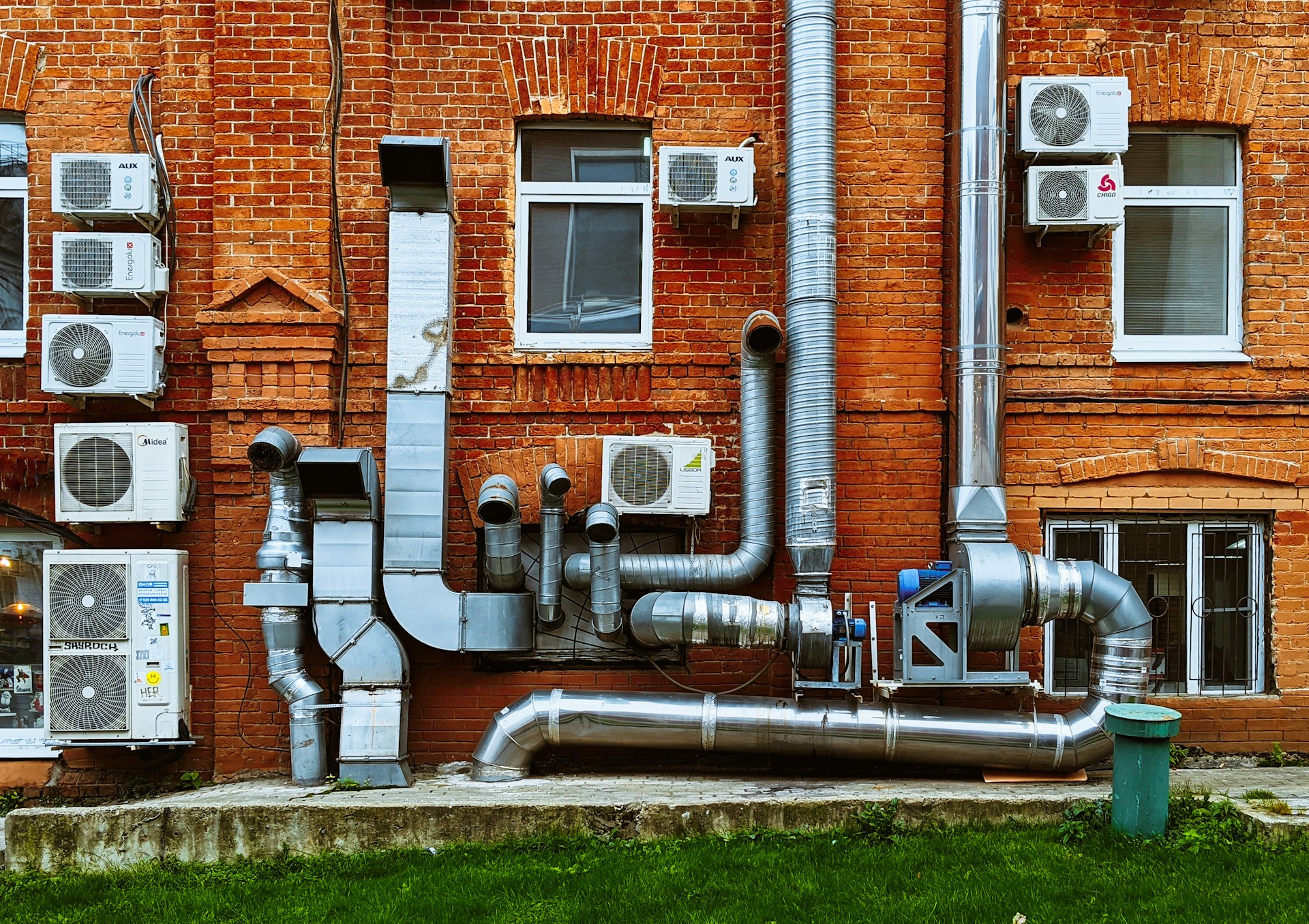
Commercial HVAC systems in Sanford work hard almost all year. When that system is old or poorly designed, you feel it in rising power bills, hot and cold spots, humidity issues, and more complaints from employees or tenants. A smart HVAC retrofit in Sanford can turn that around and give you a clear return on what you spend.
We are talking about improving the equipment and controls you already have, not starting from scratch. That matters for older buildings and busy businesses that cannot shut down for long. In this article, we will walk through how a commercial HVAC retrofit can cut energy use, open the door to rebates, and give you realistic payback timelines so you can plan with confidence.
Unlocking Hidden ROI in Your Commercial HVAC System
A commercial HVAC retrofit means upgrading or modifying your existing heating, cooling, and ventilation system to work better. It often includes things like higher-efficiency units, better controls, new motors, or ductwork changes. The structure stays the same, but the system gets smarter and more efficient. This is especially helpful in Sanford, where the hot, humid climate puts a lot of stress on older systems. Many buildings run AC almost all the time, so even small gains in efficiency can add up. A retrofit can improve:- Energy use and monthly utility costs
- Comfort and humidity control for people inside
- Reliability, with fewer breakdowns and surprise emergencies
- Control over your building, with better scheduling and zoning
Why Now Is the Time for an HVAC Retrofit in Sanford
Sanford’s long cooling season means your system rarely gets a break. When equipment is outdated, wrong-sized, or poorly controlled, it can run almost nonstop. That wastes energy and makes it harder to keep people comfortable, especially when humidity climbs. Several outside factors make early planning smart right now:- Rising electricity rates that drive up long-term operating costs
- Stricter building codes and efficiency expectations
- Refrigerant changes that make older equipment harder to support
- Tenants and employees expecting better comfort and indoor air quality
Calculating Real Energy Savings and Payback Timelines
Return on investment, or ROI, for an HVAC retrofit is the balance between what you spend up front and what you save over time. Savings come from lower energy use, fewer repair calls, and a more stable work environment with fewer comfort complaints. Before recommending any retrofit, we look closely at your building and how you use it. A typical assessment includes:- Past utility bills and usage patterns
- Age, condition, and efficiency of existing equipment
- Ductwork design, leaks, and airflow issues
- Controls, thermostats, and scheduling
- Occupancy schedules and internal heat loads
- Advanced controls and better scheduling
- Economizers or improved ventilation strategies where they apply
- Variable-speed fans, pumps, and compressors
Leveraging Central Florida Rebates, Incentives, and Tax Benefits
One of the most overlooked parts of an HVAC retrofit in Sanford is the incentive side. Local utilities often offer programs that reward higher efficiency choices. These can help offset some of your upfront spending. Common incentive types include:- Rebates for high-efficiency rooftop units and heat pumps
- Incentives for smart controls or building automation systems
- Programs that pay for reducing power use during peak periods
Key Retrofit Strategies That Boost ROI in Sanford Buildings
Not every building needs the same retrofit plan. In our climate, some strategies tend to deliver especially strong value. High-impact measures often include:- High-efficiency cooling equipment sized for real needs
- Variable-speed fan motors that match airflow to demand
- Demand-controlled ventilation that brings in outside air only when needed
- Improved dehumidification so spaces feel cooler at higher setpoints
- Sealing duct leaks to stop wasted air
- Adjusting or redesigning duct runs that starve some areas and flood others
- Adding zoning so different parts of the building can be controlled separately