
Rooftop Unit Repair in Orlando for Summer Storm Season
May 24, 2026
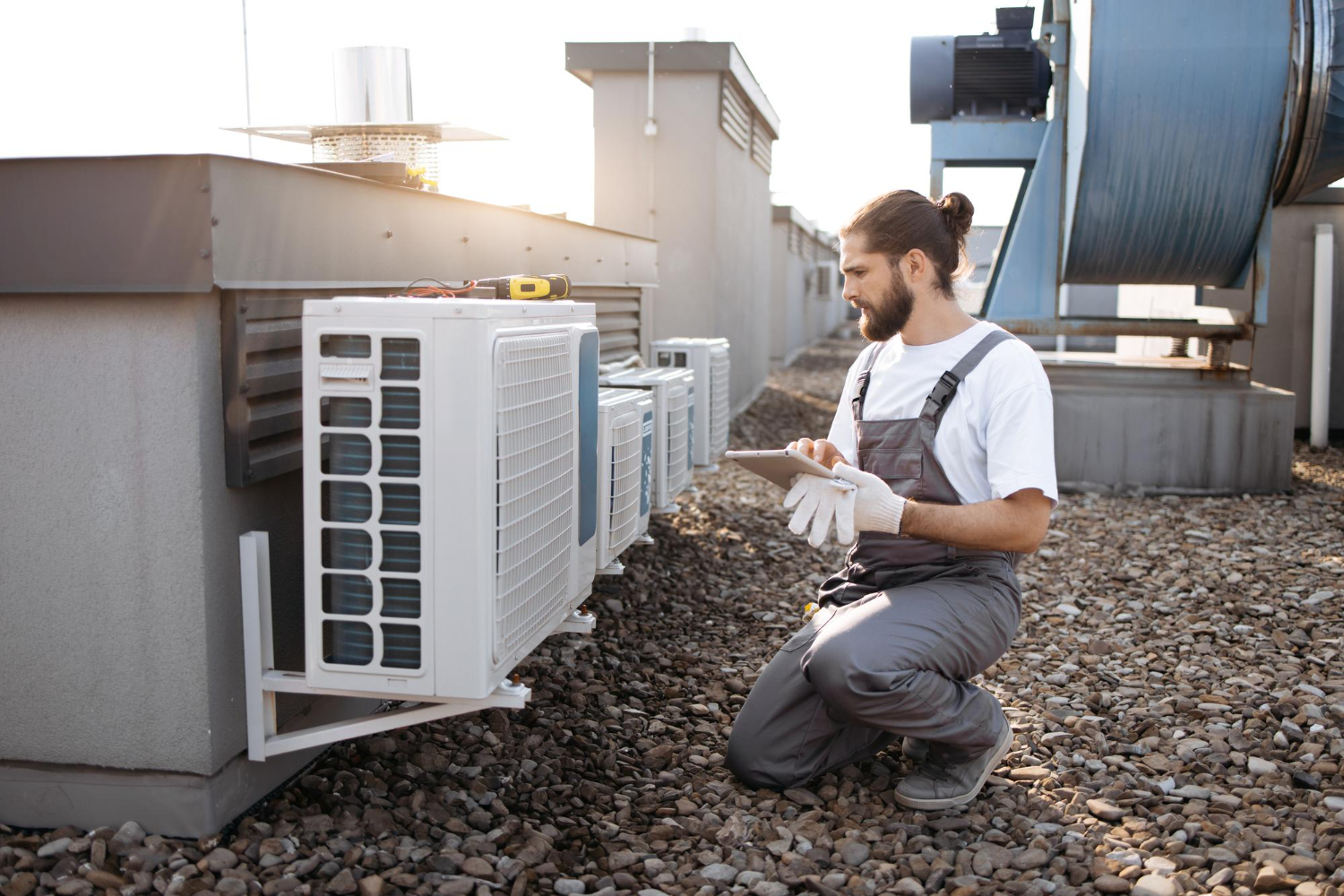
Keep Your Rooftop Units Running Through Orlando’s Wild Summer
Summer storm season in Central Florida can be rough on any building, and rooftop HVAC units take a lot of that hit. Intense heat, daily afternoon storms, lightning, and strong gusts all put stress on your equipment right when you need it most. If your rooftop units are not ready, you feel it fast inside, with hot rooms, grumpy tenants, and upset customers. For businesses, restaurants, multifamily properties, and offices, steady cooling is not just about comfort. It helps protect inventory, keep IT rooms cooler, and maintain a good experience for everyone who walks through the door. That is why staying ahead of rooftop unit problems before and during storm season matters so much. Our focus here is simple: keeping rooftop units reliable with smart repair and maintenance so you do not end up with mid-season breakdowns and emergency downtime. With the right storm-ready steps, your systems can handle Orlando’s summer pattern a lot better.How Orlando Summer Storms Punish Rooftop Units
Rooftop units sit right in the middle of everything the weather throws at your building. Day after day, they deal with:- High humidity that encourages corrosion and mold inside drain pans and ducts
- Heat from the sun that bakes panels, wiring, and plastic parts
- Frequent lightning that can send surges through control boards and motors
- Wind-driven rain that can push water into panels, seams, and electrical spaces
- Flying debris and small hail that can ding coils and fan blades
- Shorted electrical boards after a storm
- Clogged drains that cause water to back up and leak into the building
- Bent or unbalanced fan blades that create loud noise and vibration
- Hail-damaged coils that reduce cooling performance
- Loosened panels and fasteners that rattle or let in more water
Early Warning Signs Your Rooftop Unit Needs Attention
You do not need to be an HVAC tech to notice when something feels off. There are practical signs that building owners, managers, and maintenance staff can watch for during storm season:- Hot and cold spots indoors
- Rising energy bills without a clear reason
- Short cycling, the unit turns on and off more often than normal
- New or louder noises from the roof area
- Water stains in ceiling tiles or around vents
- Musty or damp odors, especially after a storm
Storm-Ready Rooftop Unit Repair and Maintenance Strategies
The best time to prepare for storm season is before the daily storms get rolling. A thorough pre-season inspection and tune-up should include work such as:- Checking refrigerant levels and looking for signs of leaks
- Tightening electrical connections and inspecting contactors and relays
- Inspecting belts, bearings, and fan assemblies
- Clearing debris from around the unit and out of coils
- Verifying that all panels are secure and properly sealed
- Testing safety controls and system startup and shutdown
- Surge protection for controls and compressors
- Hail guards to help protect exposed coils
- Upgraded fasteners and improved curb sealing to limit water entry
- Drain line protection and cleaning to help reduce clogs
- Corrosion-resistant coatings that hold up better in humid, coastal air
When an Emergency Hits: Fast Response Can Save Your System
Even with good planning, storms can still cause trouble. After a heavy storm cell or strong lightning strike, common issues include:- Units not starting at all
- Tripped breakers or burned electrical components
- Fan motors locked up by debris or water
- Water infiltration into the unit or the building below
- Refrigeration failure that threatens food, product, or IT equipment
Design-Build and Upgrades for Long-Term Reliability
Sometimes repairs keep stacking up on the same aging rooftop unit. In those cases, a design-build replacement can be a smarter long-term move. The goal is not just to swap boxes, but to match the new unit to how your building is used. Good design-build work looks at:- Right-sizing the equipment for your real cooling and heating loads
- Improving airflow with better duct layout or balancing
- Integrating modern controls and thermostats for steadier comfort
- Planning clear service access paths on the roof